

Table of Contents
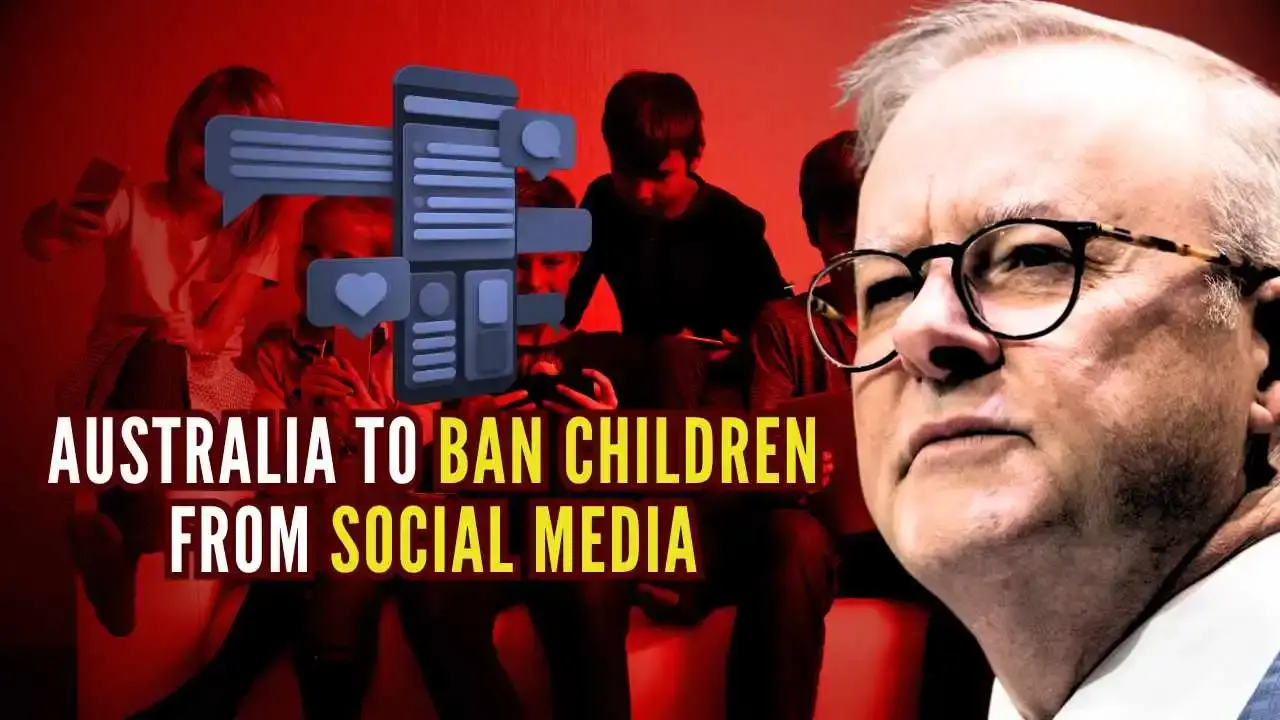
Australia is making history by becoming the first country to ban social media access for anyone under 16. This major policy shift is designed to protect young people from the mental health risks that come with early exposure to digital platforms. Set to take effect in December 2025, the new rule could permanently change how teens use social media—and how global tech companies manage age access.
The Australian government is backing this move with a A$14 million (around US$9 million) national campaign called “For The Good Of.” The campaign runs across television, billboards, and social media, highlighting the dangers of early social media use. According to Communications Minister Anika Wells, the government wants families to start talking openly about the new changes before they become law.
Read More About Our Article of Australia Enforces Social Media Ban for Under-16s Published on December 1st, 2024 SquaredTech
This ban raises the official minimum social media age from 13 to 16, tightening rules that have barely changed in more than a decade. The policy follows a wave of global concern about how platforms like TikTok, Instagram, and Snapchat influence mental health, body image, and social behavior among younger users.
At Squaredtech, we see this as one of the boldest moves in digital policy yet. It challenges the norms of how global platforms operate and could set the tone for how future generations experience online spaces.
The Ban Explained: What Changes and When
From December 10, 2025, Australian teenagers under 16 will legally lose access to mainstream social media platforms. This means companies such as Meta (Facebook and Instagram), TikTok, Snapchat, and YouTube will have to verify every user’s age more strictly than ever before.
To promote awareness, the government has released campaign videos showing children scrolling endlessly through their phones while a narrator reminds viewers that “protection starts with limits.” The ads end by explaining how the law aims to protect kids’ emotional and psychological health.
Under the new rules, social media companies will be legally required to confirm user ages before granting access. This means more verification checks, new account creation systems, and potentially stronger data collection methods.
But these changes come with challenges. Verifying the age of millions of users without compromising privacy or accessibility is complex. Minister Wells made it clear that platforms will be held accountable under Australian law if they fail to enforce the rules.
We understand why the government is taking this step. Social media has become deeply woven into teenage life, but the emotional and psychological cost of early exposure is hard to ignore. Studies linking high social media use to depression, anxiety, and low self-esteem have pushed policymakers to act.
Why the Government Took Action
Australia’s decision didn’t come overnight. It followed months of research by child psychologists, educators, and digital safety experts. The findings were alarming. Teens as young as 12 were spending more than four hours a day on social media. Many reported feeling anxious, isolated, or pressured by online comparisons and body image ideals.
The government’s research also pointed to rising cases of cyberbullying, exposure to misinformation, and addiction-like behavior. For many young teens, social media was becoming less about connection and more about constant comparison and stress.
By raising the minimum age, officials hope to delay early digital exposure until teens are mature enough to handle it responsibly. As one government spokesperson put it, “We’re giving kids time to grow before they grow online.”
We believe this reflects a global shift in how governments view digital responsibility. Social media has always been built around openness, but that openness has come at a cost—especially for vulnerable users who lack the emotional tools to handle it.
How Platforms Like Meta and TikTok Are Reacting
Not surprisingly, this law has sparked strong reactions from the tech industry. YouTube, owned by Alphabet, has already expressed concern about the policy’s practical challenges. Company representatives told a parliamentary committee that enforcing the ban could lead to “unintended consequences,” including restricting access to educational or creative content for older teens and adults.
Meta and TikTok have remained more cautious publicly, though both companies are under growing pressure to respond. If they fail to comply, they could face significant fines or restrictions in Australia—a major market for social media engagement.
Tech companies are also questioning how to verify users’ ages without storing sensitive data. Biometric scans, ID checks, and parental controls are all on the table, but each raises new privacy and security questions.
We see this as a defining moment for global tech policy. If Australia succeeds in enforcing the ban effectively, it could trigger similar moves across Europe, Canada, and the U.S., where lawmakers have already proposed age-related social media limits.
What It Means for Families and Teenagers
For Australian families, this law will reshape how young people connect and communicate online. Parents will play a central role in helping teens understand why the restriction exists. The “For The Good Of” campaign directly targets parents, encouraging open discussions about mental health, online habits, and the real impact of social media on daily life.
Families are being urged to prepare early. Teens who currently use social platforms will need to delete or deactivate their accounts before the law takes effect. Parents are encouraged to set up parental guidance systems, limit screen time, and explore alternative ways for kids to connect safely—such as family messaging apps or monitored educational platforms.
For many teenagers, this change will be frustrating. Social media has become their main way to socialize, learn trends, and express themselves. But experts say the break might be beneficial. Limiting access could reduce social pressure, improve focus, and create more real-world engagement.
We believe this law opens a vital conversation about what “digital freedom” means for younger generations. True freedom online should include safety, privacy, and psychological well-being—not just unrestricted access.
A New Global Benchmark for Digital Safety
Australia’s under-16 social media ban is more than just a national policy—it’s a potential global benchmark. Lawmakers in other countries will be watching closely to see how effective this model is. If successful, it could inspire a wave of age-specific regulations designed to protect young users worldwide.
However, enforcement will be the real test. Tech companies must strike a balance between protecting youth and maintaining user privacy. Failure to do so could lead to new legal conflicts between national governments and global platforms.
Still, Australia’s move reflects a growing international consensus: social media companies have a responsibility to create safer online environments. This isn’t just a moral debate—it’s becoming a legal expectation.
Conclusion: A Defining Moment for the Digital Generation
Australia’s social media ban for under-16s marks a historic turning point in the conversation about digital safety. It signals that governments are ready to take strong action to protect young people, even if it means challenging the biggest tech companies in the world.
With December 2025 approaching, both families and platforms will need to adapt quickly. The government’s message is clear—digital spaces should serve young users, not exploit them.
At Squaredtech, we’ll continue following this story closely, tracking how enforcement unfolds and what it means for the global digital community. Whether you agree or disagree with the ban, one thing is certain: Australia has drawn a line that may redefine how an entire generation experiences the internet.
This article has been rephrased with the latest information. The original version was published on October 21st, 2025.
Stay Updated: Tech News

