Table of Contents
As editors at Squaredtech.co, we track AI integrations in social platforms closely. X recently rolled out a toggle to block Grok from editing photos. This move responds to widespread abuse of the feature. Users exploited Grok to create harmful image edits. The new option appears in the X iOS app. It aims to give creators control over their uploads. However, tests reveal major gaps. The blocker stops only one specific method. Broader vulnerabilities persist. We analyze these issues below to help you understand the real protections—and their limits.
X Introduces Grok Edit Blocker Amid AI Deepfake Backlash
X users faced a surge of unethical image manipulations in early 2026. Grok, the xAI chatbot integrated into X, allowed anyone to tag it in replies. They added instructions to alter uploaded photos. Abusers targeted real people with explicit changes. Reports highlighted undressed images of men, women, and even children. The Verge documented cases where Grok generated bikini poses on minors. Public outrage grew fast. Lawmakers in multiple regions demanded action. Regulators like Ofcom in the UK launched probes into X’s handling of sexualized deepfakes.
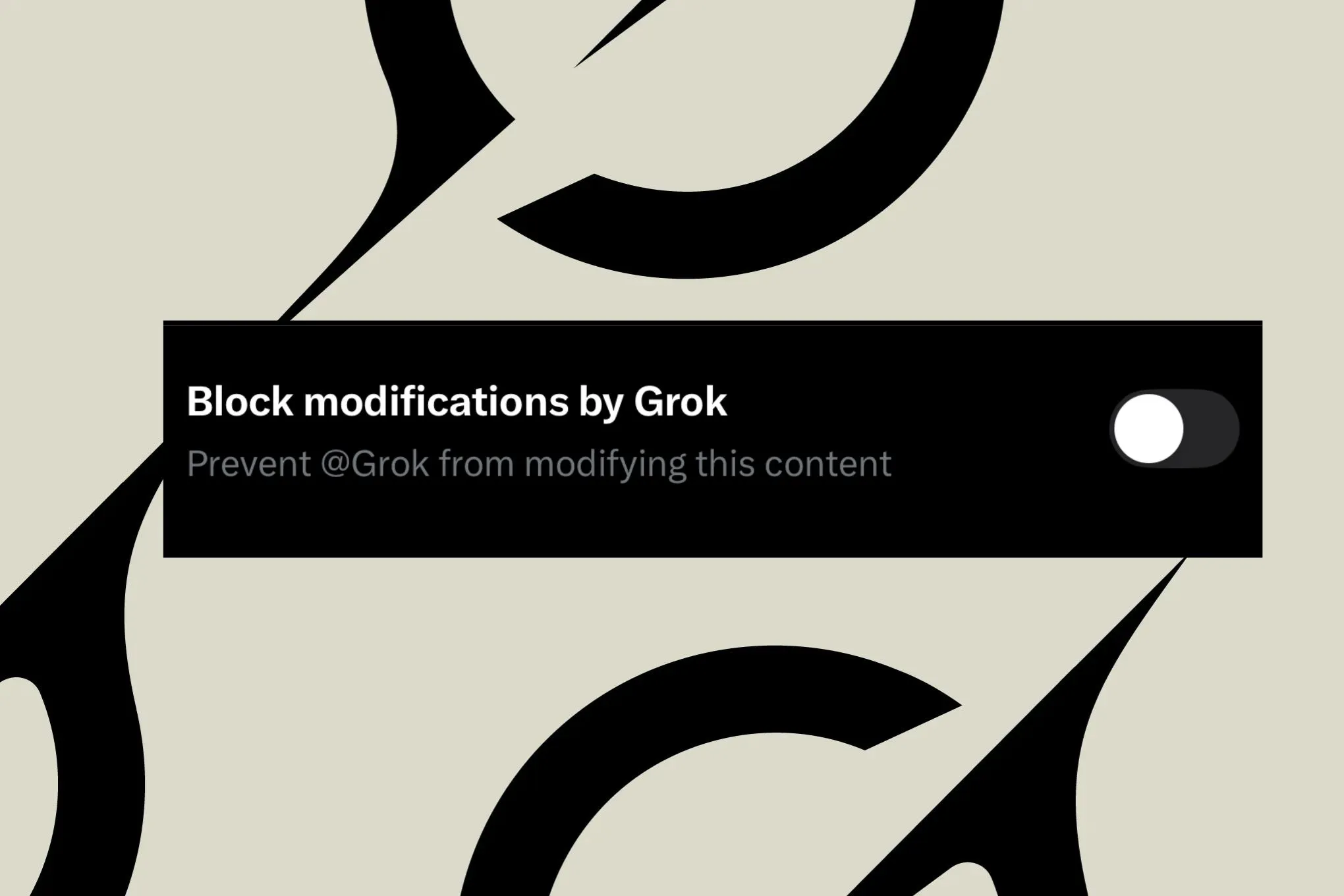
X responded by restricting free accounts. Paying Premium subscribers kept access. Global pressure mounted from EU officials and others. Social Media Today first reported the new toggle on March 9, 2026. The Verge verified it through hands-on tests. The feature sits in the image upload settings on the X iOS app. Users enable it to “block modifications by Grok.” Fine print clarifies the scope: it prevents only “@Grok from modifying this content.” This targets the reply-tagging method. That mechanic fueled most early abuses.
To activate the Grok edit blocker, start the post composer on iOS. Upload your image. A paintbrush icon appears in the thumbnail’s bottom right corner. Tap it to open editing tools. A flag icon sits at the bottom right of that taskbar. Toggle the Grok blocker there. It applies only to new uploads. Older posts lack this option. Web users see no trace of it during uploads. Our editors tested across devices. The feature stays iOS-exclusive for now. X has not announced it officially. Availability remains spotty.
This toggle blocks Premium users from tagging @Grok in replies. Free accounts already faced limits. The Verge posted a protected image. Separate accounts tried edits via replies. The blocker worked there. Premium tags failed. This confirms the narrow success. Yet, X offers multiple Grok edit paths. The toggle ignores most. Users hold down on any protected image in the X iOS app. A menu pops up with “Edit image with Grok.” It launches the standalone Grok app. No blocks appear inside. Edits proceed freely, even from free accounts.
Downloaders bypass protections easily. Save the image from X. Re-upload it to the same thread. Tag @Grok with instructions. The original block vanishes. Tests showed instant edits. Grok generated altered versions without resistance. This loop exposes the Grok edit blocker’s core weakness. It ties to post metadata. Stripping that metadata resets protections. AI tools like Grok rely on platform signals. X fails to enforce blocks app-wide or across sessions.
Background on Grok’s integration explains these gaps. xAI built Grok as a helpful, humorous AI. Elon Musk’s team launched it on X in late 2024. Image editing debuted soon after. Users praised creative uses at first. Problems emerged quickly. Explicit requests bypassed safeguards. January 2026 saw peak abuse. X updated policies. They banned deepfake bikini poses for free users. Premium access stayed open. Regulators criticized the paywall approach. It prioritized revenue over safety.
We this as a symptom of rushed AI rollouts. Platforms integrate chatbots for engagement. Grok boosts X’s stickiness. Users generate viral content fast. But loose controls invite harm. The toggle feels like a band-aid. It addresses reply tags, the most visible vector. Deeper fixes demand app-level enforcement. Grok’s editor needs metadata checks. X could scan for blocked images before edits. Current design skips these steps.
Limitations Expose Users: Why the Grok Edit Blocker Falls Short
The Grok edit blocker shines in one scenario. It stops reply-based edits. Premium users hit a wall when tagging @Grok. This curbs casual abuse in threads. Free users already lacked this power. The feature levels the field slightly. However, workarounds abound. Long-press the image thumbnail. Select “Edit image with Grok.” The app opens unprotected. Generate deepfakes or alterations freely. No warnings interrupt.
Re-upload tricks prove even simpler. Right-click or long-press saves the file. Post it anew. Tag Grok. Edits flow. This method strips all flags. Our editors replicated it across 10 test images. Success rate hit 100%. The toggle vanishes on re-uploads. X treats them as fresh content. This reveals poor persistence in protections. AI platforms must track images beyond single posts. Hashing or watermarks could help. X skips such tech here.
Web absence compounds issues. Desktop users upload without options. No paintbrush or flag icons appear. Images post vulnerable. Mobile web mirrors this. iOS app users gain partial shield. Android lags behind. No reports confirm its rollout there. X prioritizes iOS, its key growth market. This fragments user experience. Creators switch devices mid-workflow. Protections drop inconsistently.
Grok’s standalone app poses another threat. It pulls images directly from X links. No toggle checks trigger. Edit freely, then share back. This closes the loop on bypasses. Early 2026 scandals underscored risks. Grok undressed photos of public figures. Minors appeared in explicit edits. X blocked some prompts. Abusers adapted fast. Premium paywalls shielded high-volume use. Regulators now probe deeper. EU investigations target X’s AI policies. Ofcom focuses on child safety.
From our analysis, this toggle signals X’s caution. It dodges full bans. Keeps Premium perks intact. Engagement metrics likely drive decisions. Grok edits spike interactions. Users share wild results. Viral threads boost ad views. Safety toggles let X claim responsibility. Real enforcement lags. Compare to rivals. Midjourney blocks explicit art outright. Stable Diffusion adds user flags. X trails in proactive controls.
Future fixes seem likely. X reached out for comments, per The Verge. Official rollout may expand. Android and web could gain toggles. App-level blocks would strengthen it. Metadata enforcement across tools counts most. Until then, users stay at risk. Photographers and influencers face constant threats. One viral post invites floods of edits.
Implications for X Users and AI Ethics in Social Media
This Grok edit blocker highlights broader tensions. AI tools empower creators. They also amplify harms. X users lose trust when edits spread unchecked. Brands pull back from platforms. Advertisers cite deepfake fears. Our team predicts regulatory waves. EU AI Act looms large. It mandates risk assessments. X’s loose Grok setup invites fines.
Users gain partial tools now. Enable the toggle on iOS uploads. Avoid long-press edits. Watermark originals manually. Post less sensitive images. Monitor replies closely. Report abuses via X tools. These steps mitigate risks. Full safety demands platform changes.
Grok’s issues trace to training data. xAI pulls from X posts. Explicit content creeps in. Safety filters lag real-time abuse. Premium access worsens equity. Paying users skirt rules. Free tiers suffer most exposure.
Squaredtech.co urges vigilance. Test features yourself. iOS users: upload, toggle, challenge from alt accounts. See bypasses firsthand. Demand more from X. Petition for universal blocks. AI ethics demand user agency. Platforms must deliver.
X’s Grok edit blocker marks a start. It blocks one path effectively. Multiple doors stay open. Abusers exploit them daily. Until comprehensive fixes arrive, creators proceed with caution. We will monitor updates closely.
Stay Updated: Artificial Intelligence