

Table of Contents
As editors at Squaredtech.co, we track flagship smartphone launches closely. Oppo’s Find X9 Ultra is one of the most ambitious camera‑centric phones of 2026. The company positions this Ultra model as a direct answer to Samsung’s Galaxy S26 Ultra, Xiaomi’s 17 Ultra, and Vivo’s X300 Ultra. Where those phones already pushed camera specs to the edge, Oppo adds a new level of optical zoom and a flexible accessory ecosystem. We break down the Find X9 Ultra’s design, hardware, camera system, and what it means for mobile photographers.
Design, Build, and Display: The Find X9 Ultra as a Premium Flagship
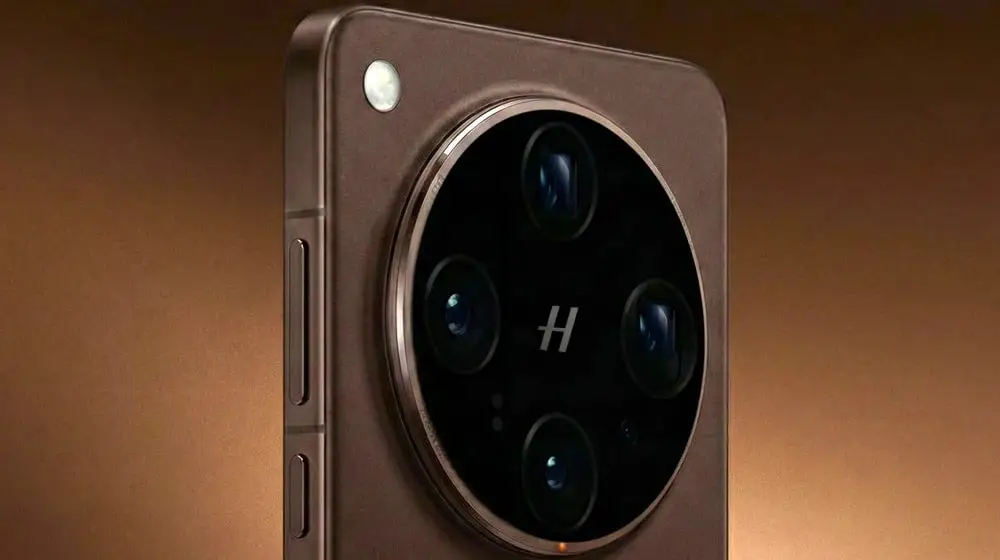
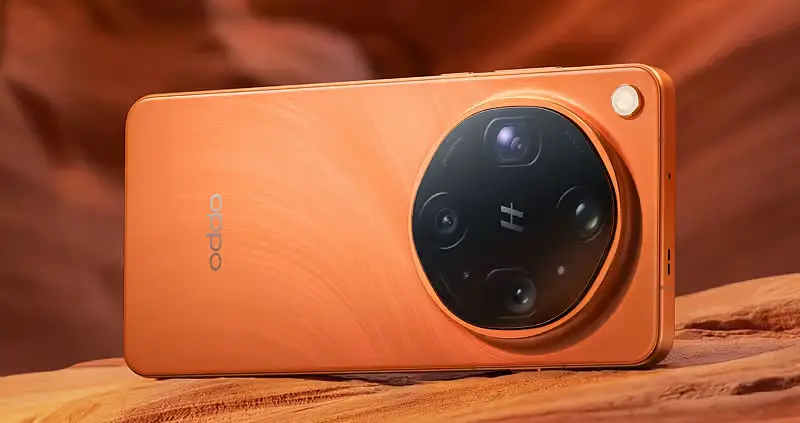
The Oppo Find X9 Ultra arrives with a bold, camera‑forward design. The phone looks larger and thicker than many rivals, mainly because of the camera module on the back. The module itself protrudes noticeably from the chassis, signaling that this device is built around its imaging hardware. Oppo offers two color options: Canyon Orange and Tundra Umber. Canyon Orange uses a subtle etched finish meant to evoke the layered rock of the Grand Canyon, while Tundra Umber pays homage to Hasselblad’s X2D camera with a cooler, woodland‑themed palette. The company describes this second color as channeling “Scandinavian minimalism and the raw elegance of glaciers,” and the overall aesthetic does feel more refined than the standard Find X9 Pro.
The camera array on the.Find X9 Ultra now has a subtle hexagonal outline, which Oppo says nods to camera‑lens design history. The main camera island features a circular metal frame with knurled edges around it. This texture helps users grip the phone more securely when framing shots, especially at longer zoom lengths. Unlike Xiaomi’s recent Ultra model, which uses a physical ring around the camera to control zoom, the ring on the Find X9 Ultra is purely structural. However, the optional Hasselblad “Earth Explorer Kit” adds a dedicated camera‑style grip with its own zoom lever, which integrates with the phone’s software.
Under the hood, the Find X9 Ultra is built to compete with the latest Android flagships. It runs on Qualcomm’s Snapdragon 8 Elite Gen 5 chip, a notable step up from the MediaTek Dimensity 9500 inside last year’s Find X9 Pro. Oppo uses this new processor to balance high‑performance gaming with sustained camera workloads, such as recording 8K video or processing large 200MP images. The phone also packs a 7,050mAh silicon‑carbon battery, which supports 100W SUPERVOOC charging. Oppo claims this battery is the industry’s first to include an encapsulated thermal unit that helps manage heat during intense tasks like long‑duration video recording or heavy gaming.
The display is another highlight. The Find X9 Ultra uses a 6.82‑inch LTPO AMOLED panel with a 144Hz refresh rate and a native 2K resolution. The screen can reach up to 3,600 nits of peak HDR brightness in controlled conditions while dropping to around 1 nit in very low‑light environments. This wide range improves readability both outdoors and in dim rooms. The panel supports Dolby Vision HDR and includes Corning Gorilla Glass Victus 2 protection, which helps guard against accidental drops and scratches. From a visual standpoint, the Find X9 Ultra feels every bit as premium as any top‑tier Android flagship.
Camera System: 200MP Main, 3x, and 10x Optical Zoom

The core identity of the Find X9 Ultra is its camera system. Oppo calls this a triple‑telephoto setup, but the hardware list is longer. The phone includes:
- A 200‑megapixel main camera with a 1/1.12‑inch sensor and an f/1.5 aperture.
- A 200‑megapixel 3x telephoto with an f/2.2 aperture.
- A 50‑megapixel 10x optical zoom telephoto.
- A 50MP ultrawide camera.
Oppo claims the main 200MP sensor is the largest 200MP sensor in any smartphone today. The low f/1.5 aperture lets more light into the sensor, which helps both in low‑light conditions and when capturing high‑resolution images. With this sensor, Oppo combines traditional Bayer‑style pixel‑binning with new software tuning to produce detailed 12MP or 50MP shots that still look sharp on large screens. The company also embeds a True Color Camera module into the main camera stack, which works across both stills and video to maintain consistent color and skin‑tone rendering.
The 3x telephoto uses a different 200MP sensor design, optimized for mid‑range zoom. At 3x, this lens already delivers a lot of scene‑framing flexibility, letting users crop into scenes without losing detail. Oppo says the Find X9 Ultra can simulate eight focal‑length equivalents by combining optical and digital zoom stages, but early hands‑on tests show some variation in color temperature and brightness between sensors as the phone switches between them. This issue is common in multi‑camera flagships, but it can be jarring if users expect perfectly uniform results at every zoom level.
The standout is the 50MP 10x optical telephoto lens. Most phones use hybrid zoom or complex periscope units to reach 5x or 10x, but Oppo achieves a true 10x optical zoom without needing an external attachment. This lens uses a periscope‑style telephoto module with a multi‑prism light‑path design, which bends light several times inside the camera housing to extend the effective focal length. Early tests suggest the 10x zoom produces cleaner, more detailed images than many competitors’ 10x hybrid‑zoom modes, especially in daylight. Portrait mode also works at full 10x zoom, letting users isolate subjects from distant backgrounds with strong depth‑of‑field effects.
For even more reach, Oppo introduced the Hasselblad 300mm Explorer Teleconverter. This accessory mounts directly onto the 200MP 3x telephoto lens and upgrades it to roughly 13x optical zoom. The teleconverter’s magnification ratio increased from 3.28x on the Find X9 Pro to about 4.3x on the Find X9 Ultra, giving photographers significantly more telephoto power. The lens is physically large, and it is the biggest smartphone telephoto lens attached to any phone‑based system so far. It outpaces even the teleconverter that Vivo ships with the X300 Ultra.
Video, Software, and Accessory Ecosystem for the Find X9 Ultra
Beyond stills, the Find X9 Ultra is geared toward filmmakers and content‑minded creators. The phone supports 4K 60fps video with Dolby Vision HDR across its main and telephoto lenses, and it can record 8K video at 30fps from the main camera. This places it among the first Oppo phones with 8K recording capability. The company also introduced O‑Log2, a new log‑profile video mode that flattens contrast and preserves more shadow detail. O‑Log2 is designed to give more flexibility in post‑production, letting editors adjust color and tone without losing fine gradients or introducing harsh banding.
Another important software feature is ACES certification. The Find X9 Ultra is certified for the Academy Color Encoding System, which means videographers can import footage into professional color‑grading workflows used in film and TV production. This certification is not common on smartphones, and it reflects Oppo’s push into the creator‑oriented market. Users can also load third‑party LUTs (look‑up tables) directly onto the phone. These LUTs apply custom color grades in real time during recording and preview, which helps creators visualize the final look on set without relying on external monitors.
The Hasselblad Earth Explorer Kit adds more hardware‑style controls. The kit includes a Hasselblad Explorer case with a two‑stage physical focus button and a zoom lever that mimics a traditional camera grip. The case matches the Tundra Umber color option and keeps the zoom element aligned with the camera module. Oppo also updated the telephoto adapter so that it can remain mounted on the phone without blocking the other lenses. This is a practical improvement over earlier Oppo designs, where accessories often hid part of the rear camera stack.
However, there is a catch. Oppo does not support cross‑compatibility between previous teleconverters and older phones. The new 300mm Explorer Teleconverter works only with the Find X9 Ultra, which may disappoint users who invested in older Oppo camera accessories. The company frames this as a decision to maintain image‑quality standards, but it effectively resets the accessory ecosystem for existing fans.
From a market‑entry perspective, the Find X9 Ultra targets Asia and Europe first. In the UK, the phone is scheduled to launch on May 8, 2026, with a price of £1,449 (about $1,959). European pricing starts around €1,699 in some markets. There is no confirmed US launch at this stage, which limits its global footprint for now. Squaredtech.co will update coverage if Oppo announces a North American rollout.
In summary, the Oppo Find X9 Ultra is a serious camera‑forward flagship that pushes optical‑zoom capability and accessory integration further than most rivals. The combination of a 50MP 10x telephoto, multiple 200MP sensors, and a growing Hasselblad‑branded accessory lineup makes this phone a compelling choice for photographers who want to rely on a single device. As hands‑on testing continues, the real test will be whether the Find X9 Ultra can deliver consistent image quality across all zoom levels and hold its ground against Vivo’s X300 Ultra and Samsung’s latest Ultra models.
Stay Updated: Gadgets

