

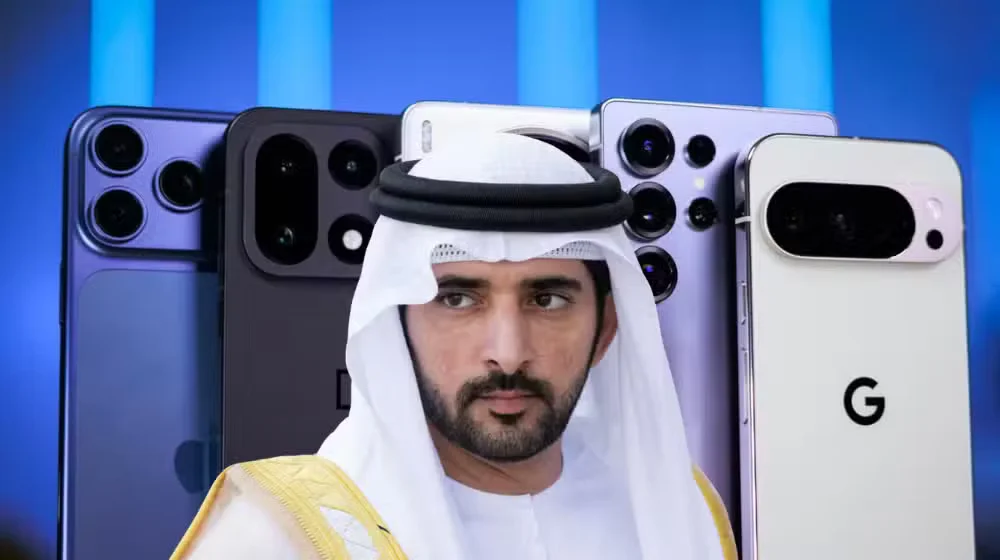
The poll compared four flagship devices that define the current premium imaging segment: the iPhone 17 Pro Max, Leica Leitz Phone, Vivo X300 Ultra, and Oppo Find X9 Ultra. The result was unusually decisive. The iPhone 17 Pro Max secured 80 percent of the vote, while its closest competitor stayed below 10 percent.
That is a landslide in any consumer poll, but it should not be read as a laboratory verdict on which phone has the best camera hardware. It says something different, and arguably more useful for most buyers: when people are asked to choose a camera phone they trust, the iPhone’s camera experience carries far more weight than a spec-sheet contest. The gap highlights the distance that can exist between pure hardware comparisons and user preference.
For a buyer choosing a premium phone, the camera is rarely judged one sensor at a time. People remember whether a phone focused quickly, handled a difficult indoor shot, kept a moving subject sharp, produced a usable zoom image, or gave them a photo they felt comfortable posting without editing. Those are product-experience questions. They are also the questions on which software processing, interface design, brand familiarity, and predictable results can matter as much as sensor size.
Table of Contents
Hardware Strength vs User Preference
The other devices in the best camera phones 2026 list make a strong case through camera hardware. The Leica Leitz Phone uses a large one inch sensor and high resolution periscope zoom. That approach speaks to a familiar priority in mobile imaging: capture more light and retain more detail before processing begins. A larger sensor can be meaningful when conditions are less forgiving, while a periscope zoom is aimed at subjects that are simply too far away for a standard camera.
The Vivo X300 Ultra takes a more aggressive specification-led route. It combines dual 200 megapixel sensors with ZEISS optics and stabilization features aimed at reducing motion blur. High-resolution sensors have obvious appeal, particularly for people who want flexibility to crop or examine fine details. But resolution alone does not settle the quality question. A phone still has to make sensible choices about exposure, color, noise, focus, stabilization, and processing speed. The technical challenge is not merely collecting more information; it is turning that information into a photograph that looks good immediately.
The Oppo Find X9 Ultra adds Hasselblad tuning and a large battery to support extended shooting sessions. That pairing reflects another reality of camera-phone use. Photography is not limited to a single still image in ideal daylight. Long days out, repeated zoom shots, video capture, editing, navigation, and social apps all draw on the same device. A large battery may not alter the visual character of a photo, but it can make a camera system more practical when a user actually needs it.
Against that hardware-heavy field, the iPhone 17 Pro Max relies on a balanced system. It uses three 48 megapixel cameras, an A19 Pro chip, and improved image processing. Its 8x optical zoom marks a step forward for Apple in long range photography. Apple’s appeal has long rested less on winning every isolated specification and more on making the whole camera system feel dependable. The poll result suggests that users value consistency, software processing, and ease of use over raw sensor size.
That does not mean specifications are irrelevant, or that the competing phones have weaker hardware. Quite the opposite: the Leica Leitz Phone, Vivo X300 Ultra, and Oppo Find X9 Ultra represent the kind of hardware ambition that pushes the category forward. Their presence is a reminder that Android manufacturers are often willing to experiment with large sensors, high-resolution camera systems, specialized optics, and long-range zoom sooner or more aggressively.
But a premium camera phone must also persuade users that those strengths will appear in ordinary photos, not only in carefully chosen examples. A camera can have remarkable hardware and still feel less compelling if its results seem inconsistent from one situation to the next, or if its best features require more effort than many people want to spend. The final image is what users see. The specification sheet is what they read before buying.
Social Influence and Market Signals
The role of social platforms shaped this outcome. The poll reached millions of followers who associate the Crown Prince, known online as faz3, with lifestyle and tech trends. That audience context matters. Open polls measure enthusiasm, familiarity, and perception alongside product knowledge. They can reveal what people are prepared to endorse publicly, but they are not the same thing as controlled comparisons of photo samples.
This type of engagement creates a feedback loop where visibility drives preference. A device with strong brand recall has an advantage before its camera hardware is even discussed. People are more likely to recognize it, have used an earlier model, know someone who owns one, or have seen its output across social platforms. In a poll, those associations can be as influential as a particular sensor or zoom specification.
The iPhone 17 Pro Max benefited from that environment. Apple continues to benefit from a reputation for reliable imaging and consistent updates. For many users, reliability is not an abstract quality. It means a camera that is expected to work quickly and produce familiar-looking results without requiring much thought. That expectation is valuable in a category where the best photo is often the one captured before a moment has passed.
Meanwhile, brands like Vivo and Oppo push technical limits but still compete for wider recognition outside core enthusiast groups. The same is true of any device whose appeal begins with specialist hardware: enthusiasts may understand why a one inch sensor, dual 200 megapixel sensors, or high resolution periscope zoom matters, while a broader audience may respond more readily to a brand they already associate with good everyday photos.
The poll therefore reflects brand trust as much as it reflects camera preference. That is not a flaw in the result; it is part of the market reality. Buyers do not separate a phone’s camera from the company behind it, the software they expect to receive, the interface they already know, or the social status attached to the device in their hand.
Near Term Outlook for Camera Phones
The best camera phones 2026 category will likely move in two directions. One path will focus on larger sensors and higher megapixel counts. The other will refine computational photography using faster chips and smarter algorithms. These paths are not truly opposites. Better hardware gives a phone more photographic information to work with; better processing determines how effectively that information is used.
The real competition will be over which companies make those advances feel meaningful in everyday use. Larger sensors and higher megapixel counts are easy to communicate, but they do not automatically make a camera feel simpler or more consistent. Faster chips and smarter algorithms are less visible to shoppers, yet they can shape nearly every shot by affecting timing, stabilization, detail, and the rendering of an image.
The result of this poll suggests that the second path currently resonates more with a broader audience. The iPhone 17 Pro Max result points to a preference for a camera system that feels coherent rather than a collection of standout parts. Its three 48 megapixel cameras, A19 Pro chip, improved image processing, and 8x optical zoom fit that broader proposition: a balanced system intended to cover common shooting needs without making users think too hard about the technology underneath.
In the near term, Android manufacturers may need to improve how their camera strengths translate into everyday use. That does not require abandoning the hardware-led approach represented by the Leica Leitz Phone, Vivo X300 Ultra, and Oppo Find X9 Ultra. It means making the benefits easier to recognize in the photos people take most often, and easier to understand before they buy.
Apple is expected to continue refining image processing and zoom capabilities in future models. The gap seen in this poll does not mean weaker hardware from competitors. It shows that user experience and brand perception still decide outcomes in high end smartphone cameras. For the industry, that is a useful corrective to the annual race for bigger numbers: the camera phone that wins attention is not necessarily the one with the most dramatic specification. It is the one people believe will get the shot.
Stay Updated: Gadgets

