

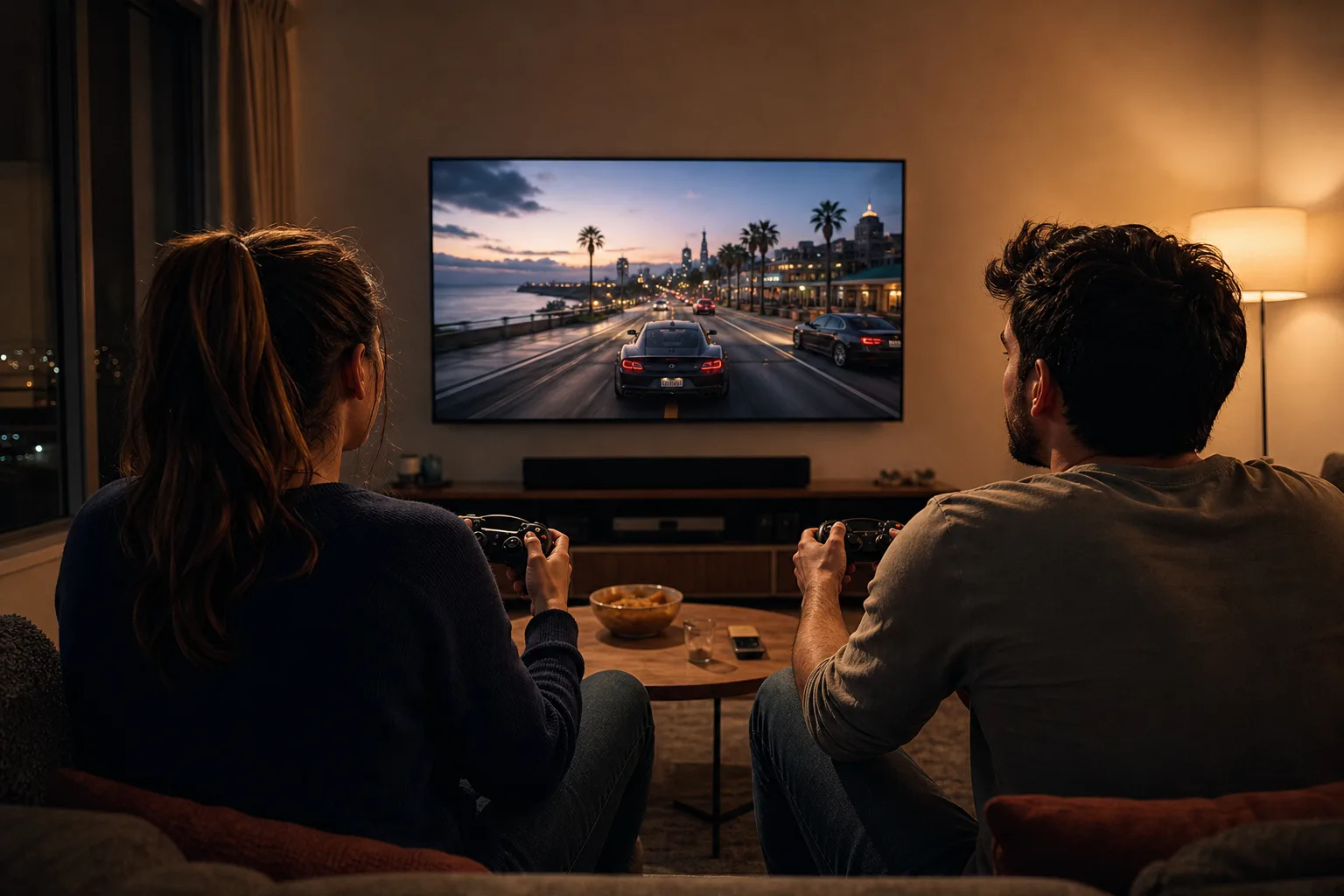
- GTA Online has outlasted its reputation as a chaotic crime sandbox and become a surprisingly durable place for friends and families to spend time together.
- For many players, the appeal of GTA Online is low-stakes hanging out—not heists, competitive missions, or the game’s famously disruptive public lobbies.
- Rockstar’s next Grand Theft Auto faces a high bar: players increasingly expect a virtual world that can support the same social rituals as real life.
- Music events, fashion, driving, and casual conversation have turned games into rivals for the attention people once gave to traditional social platforms.
Table of Contents
GTA Online became a place to hang out
GTA Online has spent years selling crime, cars, heists, and the occasional absurd flying motorcycle. Yet its most durable achievement may be much quieter: it has become a place where people simply spend time together. Not every session needs a score, a gunfight, or a grind for virtual cash. Sometimes the point is driving aimlessly with a sibling while talking about work.
That sounds almost too wholesome for Grand Theft Auto, a series built on satire, theft, and spectacularly bad civic behavior. But it gets at why Rockstar’s open-world games have stayed lodged in popular culture while so many supposedly endless live-service games have come and gone. A good social game gives people something to do with their hands while conversation happens around it. The best moments are often the least scripted.
Think about a long car journey with someone you know well. You may spend half an hour discussing nothing especially profound, then suddenly arrive at the conversation that actually mattered. Video calls rarely create that same rhythm. Everyone is staring into a tiny camera, waiting for a turn to speak. A shared virtual space loosens things up.
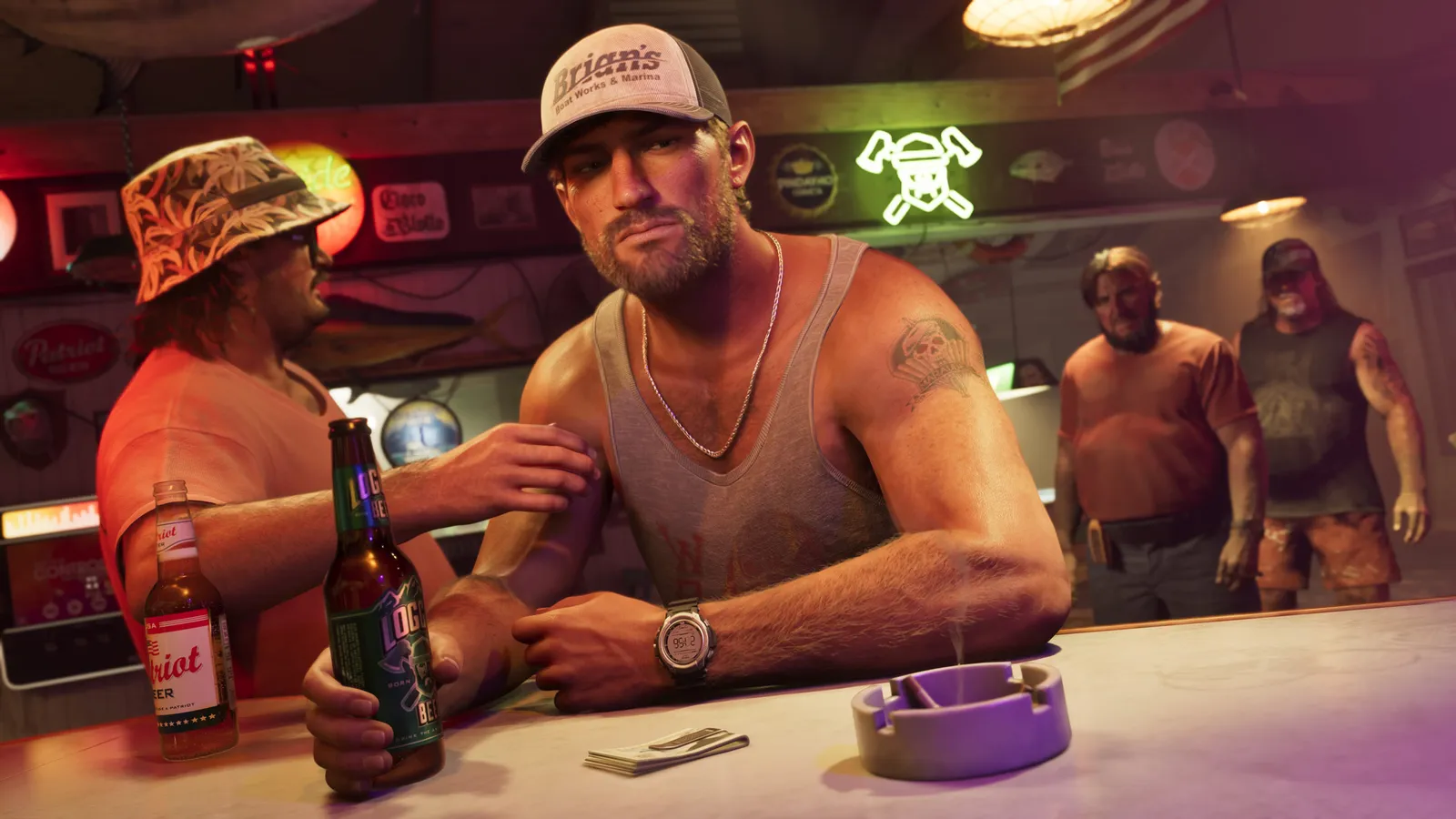
This is GTA Online’s strange, lasting strength. Players can cruise through Los Santos, try on clothes, visit an in-game nightclub, race badly, photograph a sunset, or just regroup after somebody has inevitably driven a supercar into the ocean. The game provides a setting without demanding a performance.
The social side of GTA Online is easy to miss
Public lobbies have a deservedly chaotic reputation. Anyone who has tried to complete a delivery mission only to be vaporized by a stranger in a weaponized vehicle understands the problem. Plenty of players want the city without every street corner turning into a demolition derby.
For some groups, GTA Online is less like a competitive multiplayer game and more like a digital third place: not home, not work, but somewhere familiar where friends can show up. The term gets overused in tech circles, frankly, but the underlying idea fits. These spaces matter most when real life is busy, expensive, or geographically scattered.
The pandemic made that obvious. Games from Animal Crossing: New Horizons to Fortnite became substitutes for the routines people abruptly lost: meeting friends, attending events, wandering around somewhere with no particular plan. GTA Online was messier than Nintendo’s island getaway, obviously. It was also more flexible. Players could treat Los Santos as a stunt park, a car club, a fashion runway, or an informal chat room with traffic.
One player’s family story captures the shift particularly well. A mother who once worried that violent games were a corrupting influence eventually joined her adult children in GTA Online, learning the controls slowly and accidentally throwing punches at the people she had logged on to see. That is funny on its face. It is also a reminder that the social barrier around games has changed dramatically. The people who grew up with Grand Theft Auto III are now old enough to invite their parents in.

The caveats are real. GTA Online can be hostile, its economy is aggressively commercial, and Rockstar’s design regularly nudges players toward Shark Cards and expensive digital toys. It is not a frictionless social utopia, nor should anyone pretend it is. But communities have always made tools more useful than their creators initially imagined. Text messaging became group chats; Discord became a modern clubhouse; a crime simulator became a venue for catching up with family.
Rockstar’s world is bigger than the mission list
Rockstar has also understood that Grand Theft Auto works best when it leaks beyond the controller. Its radio stations have long introduced players to artists and genres they might otherwise miss. In GTA Online, the company pushed further with virtual sets from real musicians, including performances tied to the game’s nightclub ecosystem. Those were not merely ads pasted onto a map. They gave players a reason to gather in the same virtual room.
Industry analyst Joost van Dreunen described the larger opportunity as “an orchestrated effort between what we play and watch and listen to and attend and connect with and share things online.” That distinction matters. Rockstar is not building a metaverse in the old, overpromised corporate sense of the word. It is building a world people already recognize, then allowing music, fashion, clips, memes, and social habits to circulate around it.
Other publishers have tried versions of this. Fortnite has hosted major concerts and film tie-ins. Roblox has become a sprawling platform for youth culture and branded experiences. Minecraft remains an extraordinary canvas for social creativity. But GTA Online has an advantage those games cannot quite copy: its simulation of adult urban life is just specific enough to feel familiar, and just ridiculous enough to be escapism.
You can buy an apartment, visit a convenience store, argue over a jacket, take a drive along the coast, and watch a storm roll in over a city that is plainly fake but emotionally legible. That mix is why players build rituals there. Real friends do not need a compelling objective every five minutes. They need a place to be.
Grand Theft Auto VI has a harder task than bigger maps
The anticipation around Grand Theft Auto VI is understandably enormous, but the next game’s challenge is not simply visual fidelity. Rockstar can make a bigger map. It can add denser crowds, sharper lighting, more reactive weather, and a more detailed version of Florida-inspired satire. Players will notice all of that for a few hours. What keeps them around for years is whether the eventual online world supports the small, repeatable moments that made GTA Online matter.
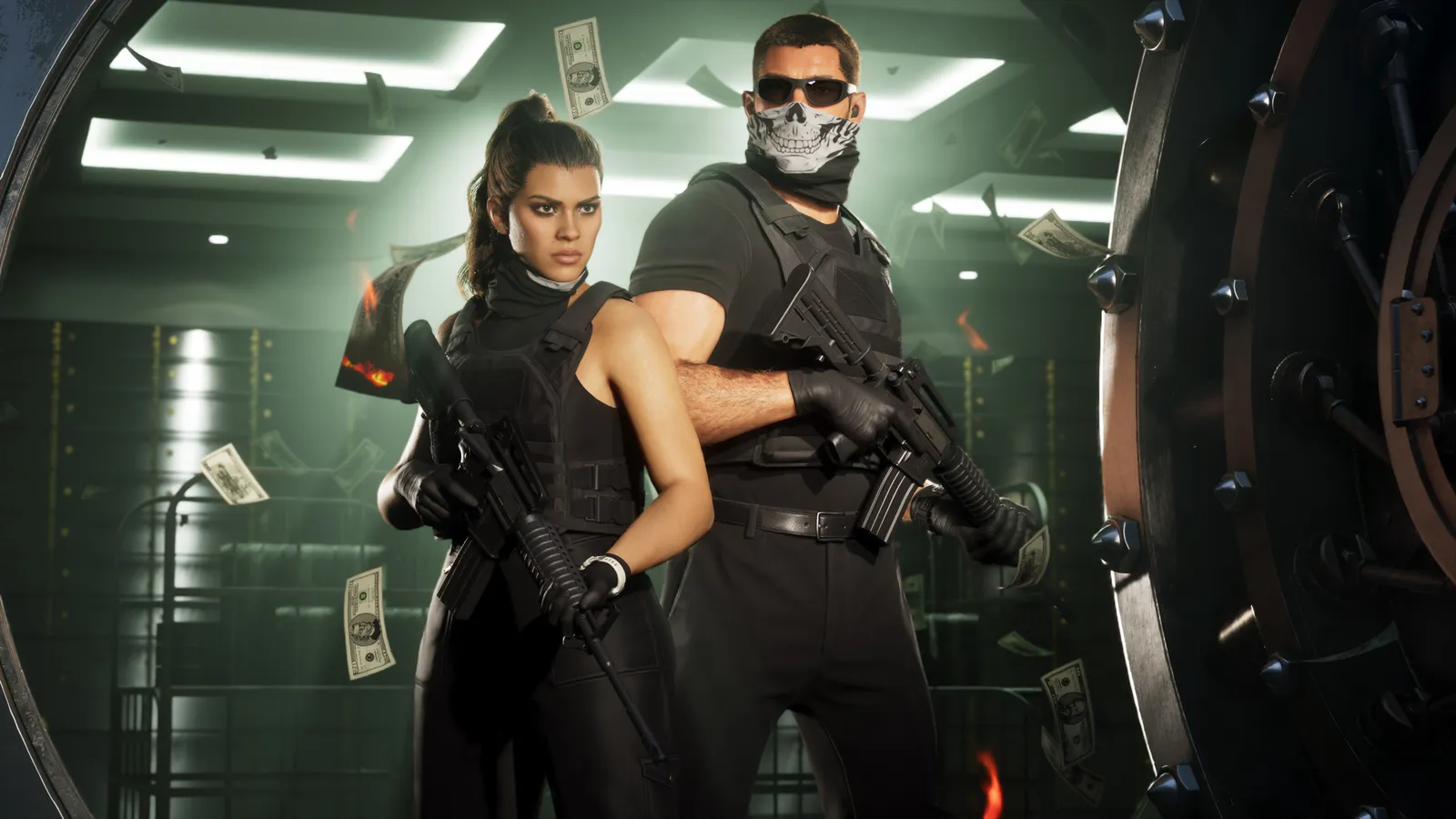
The wishlist is practical: sensible private-session tools, fair progression, event design that does not turn every gathering into a sales funnel, and enough room for players to invent their own routines. The industry has learned this lesson the hard way. Live-service games are often built like casinos, constantly pressing users toward the next reward. The ones people remember tend to feel more like parks. You return because the space accommodates your friends.
My read is that Rockstar’s real advantage is not that it can make chaos more detailed than anyone else. It is that its worlds can hold both chaos and downtime. As Grand Theft Auto VI approaches, the pressure will be to make every system louder and every activity more monetizable. That would be the obvious mistake. The future of GTA Online-style social play may depend on preserving the empty miles between the missions.