

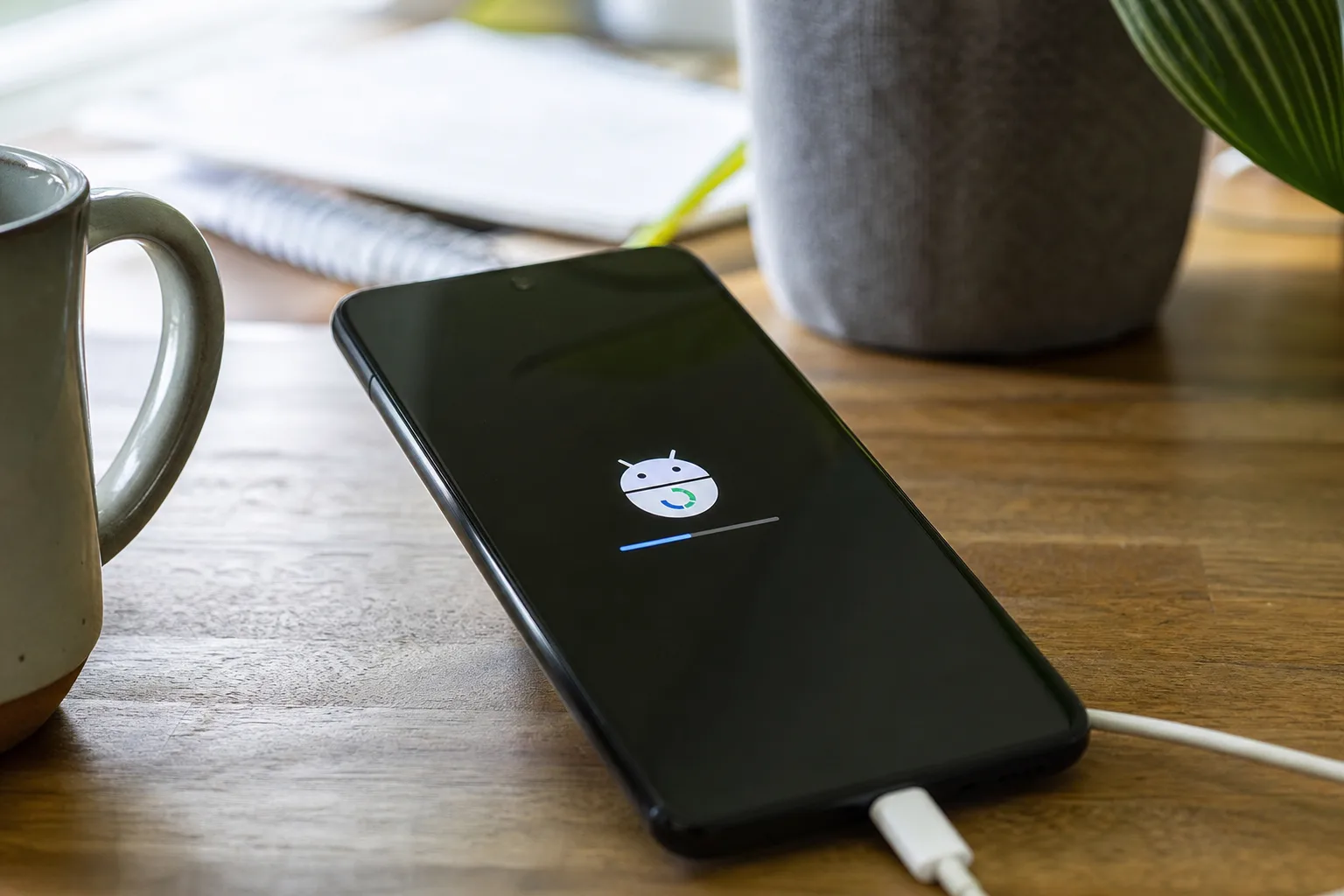
- The November Pixel update reportedly brings dozens of corrections, continuing Google’s monthly effort to stabilize its Android hardware.
- Pixel owners can wait for the November Pixel update over the air or manually install Google’s official OTA package.
- Monthly maintenance releases matter because small failures in calling, Bluetooth, cameras, and battery life quickly become daily annoyances.
- Google’s public update files offer experienced users an alternative to waiting for their carrier or device rollout window.
Table of Contents
The November Pixel update is the kind of release phones need
The November Pixel update reportedly arrives with dozens of bug fixes, which may not make for splashy launch-day material but is exactly the sort of work Pixel owners tend to notice after a week of actual use. A phone can have all the clever AI tricks in the world; if Bluetooth drops in the car or the camera stutters when a child does something adorable, the magic wears off pretty quickly.
Google’s monthly Pixel releases generally combine Android security patches with device-specific repairs, and this one appears to lean heavily toward the latter. That is welcome. Pixel software has often been ambitious, occasionally delightful, and sometimes a little too willing to treat customers as beta testers. The company has improved its cadence over the years, but a long list of fixes remains a reminder that modern smartphones are absurdly complicated stacks of radios, cameras, silicon, drivers, apps, cloud services, and operating-system code.
There is also a practical upside: the update is available now, with Google providing official over-the-air packages for people who do not want to wait for the staged rollout to find their device. Most people should still let the update arrive normally. But the option matters for enthusiasts, developers, and anyone dealing with a bug that has become more than a minor irritation.
What the November Pixel update means for daily use
Google has made the Pixel pitch increasingly clear: buy the company’s phone and you get Android updates quickly, plus features that show up first on Pixel. The November Pixel update is the less glamorous half of that bargain. It is maintenance, and maintenance is what makes a premium phone feel premium six months after the unboxing videos have stopped.
Broad bug-fix releases can touch almost every part of the experience. The most meaningful repairs are rarely the ones that look impressive in a changelog. They are the fixes for a finicky cellular connection, inconsistent fingerprint recognition, charging quirks, unstable Wi-Fi, audio behavior, display glitches, or an app crash that appears only when you are trying to pay for lunch. Nobody posts a TikTok about a bug that did not happen. That is precisely why this work is easy to undervalue.
Google does not always spell out the full customer impact of every correction in plain English, either. Release notes tend to group issues by component and affected device, which is useful but hardly bedtime reading. Still, a release described as containing dozens of fixes suggests the company is clearing a fairly broad backlog rather than addressing one headline defect.
My read is that this is the healthier kind of monthly update: not a hurried feature drop designed to generate social chatter, but a cleanup pass that should make existing features behave more predictably. Pixel owners have seen the other approach before. A big software addition lands, then a follow-up patch has to deal with the rough edges. Frankly, boring reliability is a better feature than another novelty buried three menus deep.
How to get the November Pixel update without taking unnecessary risks
For the vast majority of owners, the safest route is simple. Open Settings, go to System, select Software update, and check whether the November Pixel update is available. Google rolls updates out in waves, so two identical Pixel phones can receive the notification at different times. That is normal, not evidence that your handset has been forgotten.
Before installing, charge the phone or keep it connected to power, use Wi-Fi if possible, and make sure important photos and files are backed up. A routine OTA update should preserve data, but backups are the digital equivalent of carrying an umbrella: tedious right until the moment they save your day.
Google also publishes OTA images and factory images through its official Android OTA image page. OTA sideloading can be useful if the staged rollout is taking its time, but it is not something casual users need to rush into. It requires a computer, Android platform tools, and careful attention to the exact device build. Install the wrong package or follow a dubious guide, and a five-minute wait can turn into an afternoon of recovery screens.
Factory images are an even more serious tool. They are designed for restoring or manually flashing a device and can erase data depending on the method used. Unless you know why you need one, you probably do not. The normal over-the-air path is slower, safer, and entirely adequate.
Google’s update advantage still has a caveat
The November Pixel update also highlights an advantage Google has over much of the Android market. Samsung has dramatically improved its software support and update speed, while OnePlus, Motorola, Xiaomi, and others have made progress of varying degrees. But Google controls the Pixel hardware, core Android platform, and the distribution pipeline. When it wants to ship a correction, there are fewer corporate handoffs than there are with a carrier-branded device from another manufacturer.
That does not mean Pixel updates are frictionless. Carrier certification, regional variants, and staged deployment can still delay an OTA notification. More importantly, quick updates only count as an advantage if they improve the experience rather than introduce another issue that needs fixing next month. Speed without quality control is just a faster route to customer frustration.
Still, Google deserves some credit for making the official files accessible rather than treating software repair as a black box. The November Pixel update gives impatient, technically confident owners a legitimate route forward while preserving the ordinary OTA process for everyone else.
The bigger test is whether Pixel software can become boring
Pixel phones have always lived in an odd place: they are Google’s showcase devices, but they are also where Google’s newest Android ideas often get their first real-world stress test. That creates a tension. Buyers want first access to features. They also want their expensive phone to work like a refrigerator: quietly, constantly, and without demanding attention.
If this release resolves the kinds of nagging issues users have been encountering, the November Pixel update will do more for Google’s reputation than any flashy keynote demo. The company has already shown it can invent interesting phone features. The harder, more valuable challenge is making people stop thinking about the software altogether.
That is the standard Google should chase next month too.