

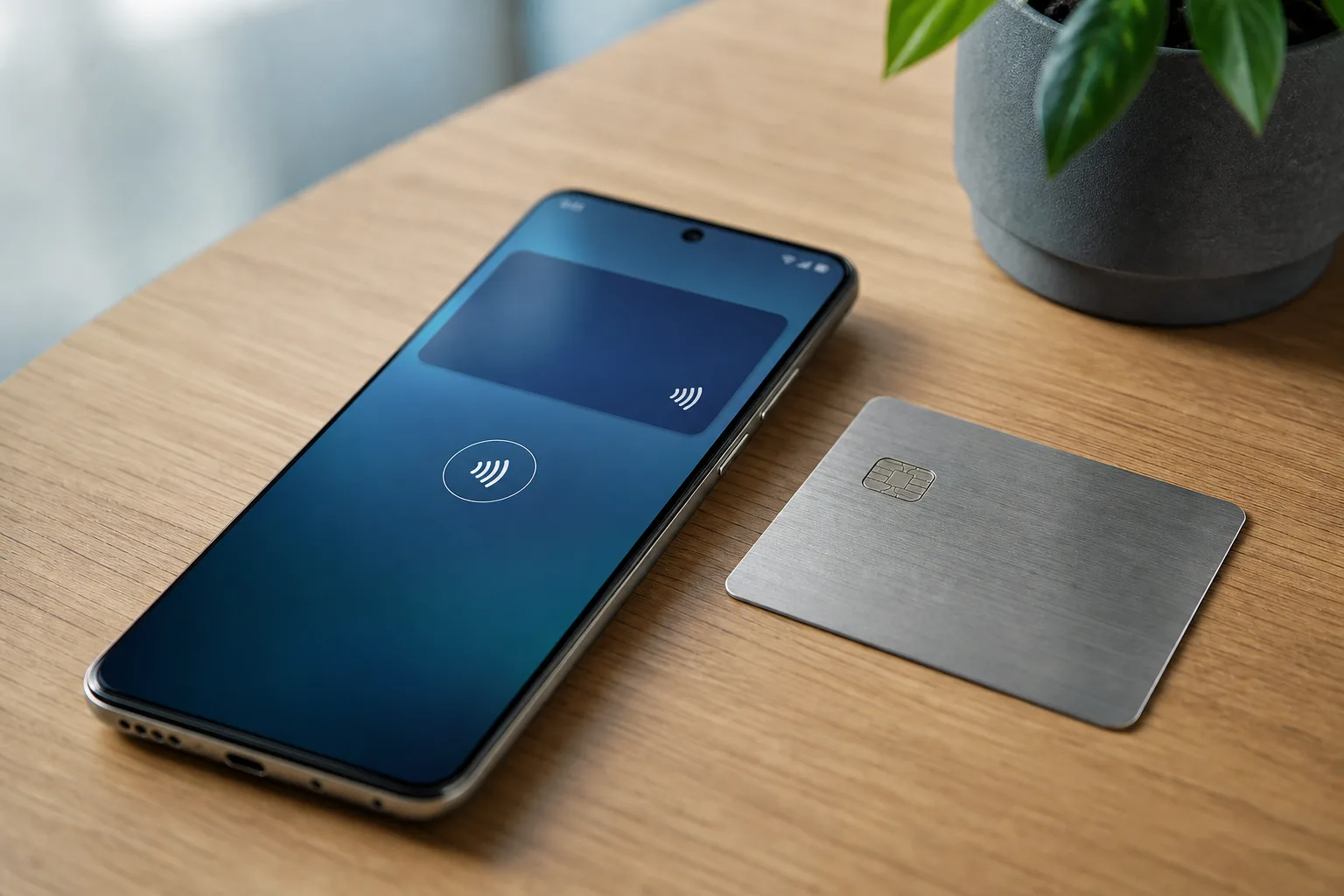
- The Galaxy Card gives Samsung shoppers 5% cash back and Samsung Wallet users 3% on eligible purchases.
- Galaxy Card rewards look competitive for loyal Galaxy owners, though interest charges can erase the value of cash back.
- Barclays issues the Visa card, pairing a recycled-steel physical card with a virtual version in Samsung Wallet.
- Samsung is using credit as another retention tool, following Apple’s example without yet matching its polished financial software.
Table of Contents
Galaxy Card is really a Samsung Wallet loyalty play
The Galaxy Card is Samsung’s latest attempt to turn owning a Galaxy phone into a slightly stickier relationship. The company is entering the US credit-card market with Barclays as issuer and Visa as the payment network, offering cash-back rewards that tilt heavily toward Samsung purchases and Samsung Wallet use.
On paper, it’s a straightforward no-annual-fee card. Cardholders can earn 5% cash rewards on purchases made directly with Samsung, 3% when they pay through Samsung Wallet, 2% on streaming subscriptions, and 1% on other spending with the physical card. New customers can also receive $200 in rewards after spending $2,000 in the first 90 days.
That 5% rate is the attention grabber, naturally. Anyone buying a Galaxy S handset, a foldable, a television, or a small pile of smart-home gear can make a meaningful dent in the price. But the more interesting number may be 3%. Samsung Wallet is accepted anywhere a contactless Visa payment works, so that rate could apply to morning coffee, transit taps, grocery runs, and the boring day-to-day transactions where rewards cards actually earn their keep.
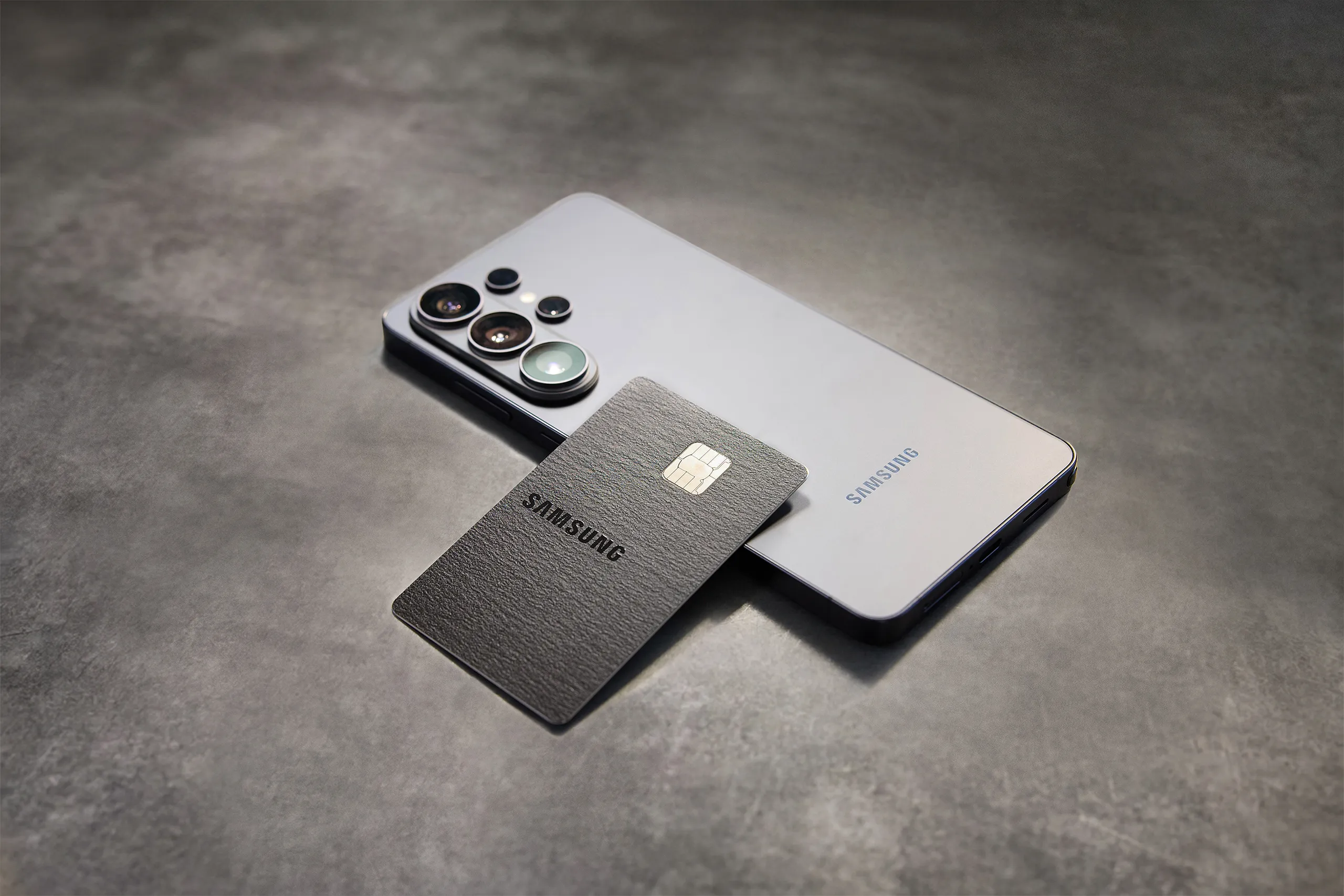
Samsung says applications open July 22, close to a Galaxy Unpacked event expected to bring new foldables and wearables. That timing is no accident. A big device launch is when Samsung has consumers thinking about upgrades, trade-ins, installment plans, and whether they should buy another accessory they absolutely do not need but will probably enjoy.
The company has published broader details through its US website, though the bigger question is how the card experience holds up after the launch-week excitement fades. Credit cards are not smartphones: people don’t swap them every year because the camera got better.
What the Galaxy Card gets right
The Galaxy Card understands a basic truth about rewards: category bonuses work only when they are easy to remember. Samsung’s 3% offer has a clean mental model. Pay with Samsung Wallet, get 3%. There are no rotating categories, enrollment deadlines, or a spreadsheet-worthy list of merchant exceptions attached to the core pitch.
That matters more than card companies often admit. The US rewards-card market is full of offers that look fantastic in a comparison chart but require the organizational habits of a small accounting department. For a Galaxy owner who already taps a phone to pay, the Samsung Wallet bonus could be genuinely useful.
The card also gets the basics right. It has no annual fee or foreign transaction fees, and rewards can be used as a statement credit or moved to a checking or savings account. Samsung is also offering a 20% discount on VIP Advantage, its service program for extended protection, specialized support, and member deals.
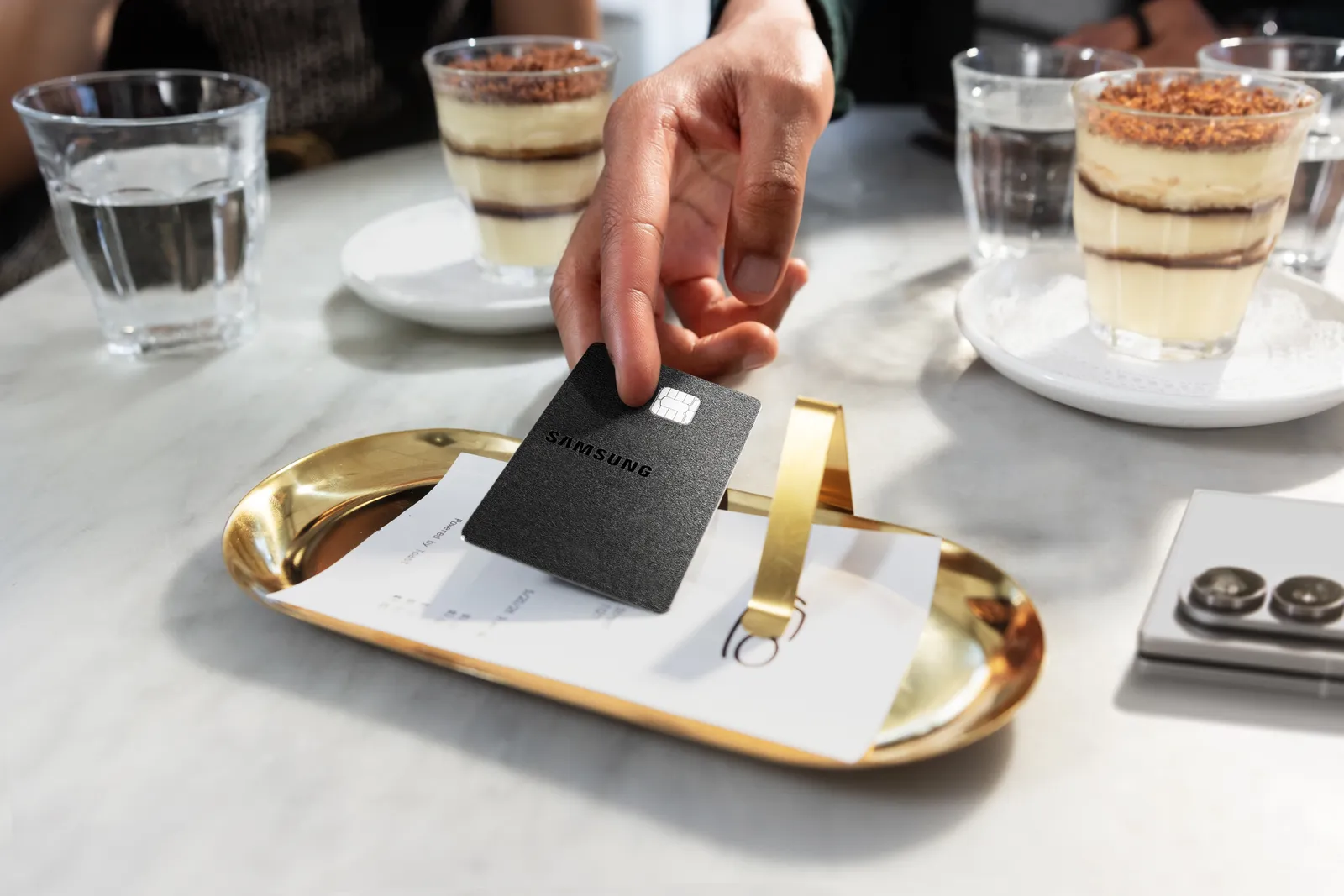
The physical Galaxy Card is made from recycled steel rather than titanium, which feels like a sensible choice rather than a downgrade.
The Apple Card comparison only goes so far
Samsung is plainly borrowing from Apple’s playbook, but it is not simply making an Android Apple Card. Apple’s card began with Goldman Sachs and Mastercard, though its issuing relationship is moving toward Chase. Samsung’s version starts with Barclays and Visa, two names that suggest a more conventional bank-card arrangement from the outset.
Apple Card never remade consumer finance, despite the initial frenzy. It did, however, make several old card-industry habits look dated: clear transaction displays, daily rewards tracking, transparent payment calculations, and a remarkably low-friction setup process. As NerdWallet credit-card expert Sara Rathner put it, Apple Card is “far from the iPhone in terms of changing the world.” That’s fair. It is a cash-back card with a very good interface.
My read is that Samsung should aim to copy the useful parts, not the mythology. A Galaxy Card will live or die by whether Samsung Wallet makes balances, pending charges, rewards, payment dates, disputes, and spending controls easy to understand at a glance. Fancy rates are nice. Seeing exactly what you owe before you accidentally carry a balance is better.
The catch: rewards are worthless when interest arrives
Rewards percentages always come with an asterisk large enough to see from orbit. Samsung says the annual percentage rate varies by applicant. If a cardholder carries debt month to month, interest can rapidly consume more money than 3% or 5% cash back returns.
Brian Riley of Javelin Strategy & Research made the point bluntly: people may pursue rewards with good intentions, then begin revolving a balance and lose the benefit to interest. Frankly, that is the only warning most credit-card stories need. A rewards card is a discount only when it is paid in full.
The Galaxy Card also becomes less compelling if a user leaves Samsung hardware behind. Samsung says anyone can use the physical card, and accounts can be managed through Barclays’ web portal. But Samsung Wallet is available only on Samsung phones and watches, meaning the 3% mobile-wallet rate and the integrated experience disappear if you move to an iPhone or another Android brand.
That lock-in is familiar, but it makes the business logic plain: Samsung does not need every American to carry this card. It needs its most valuable customers to have one more reason to stay.
A card for the Galaxy faithful, not a financial reset
For the right person, the Galaxy Card could earn a permanent slot in the wallet: someone who buys direct from Samsung, pays by phone constantly, and clears the statement every month. The 3% Samsung Wallet category is unusually broad if it works as advertised, while 5% at Samsung is a useful purchase-day bonus.
For everyone else, this is likely a secondary card. Most households already juggle several: one for travel, one for groceries, one for a particular retailer, and perhaps one gathering dust in a drawer from a signup-bonus binge. Samsung will not beat that behavior with a recycled-steel card alone.
But it may not have to. The company is building a financial thread through a device ecosystem that already includes phones, watches, payments, support plans, retail financing, and cloud-connected appliances. Remember when every tech giant wanted a digital wallet? Now the wallet is becoming a customer-retention machine. Whether consumers embrace the Galaxy Card will depend less on metal and marketing than on whether Samsung makes that machine feel useful rather than confining.

