

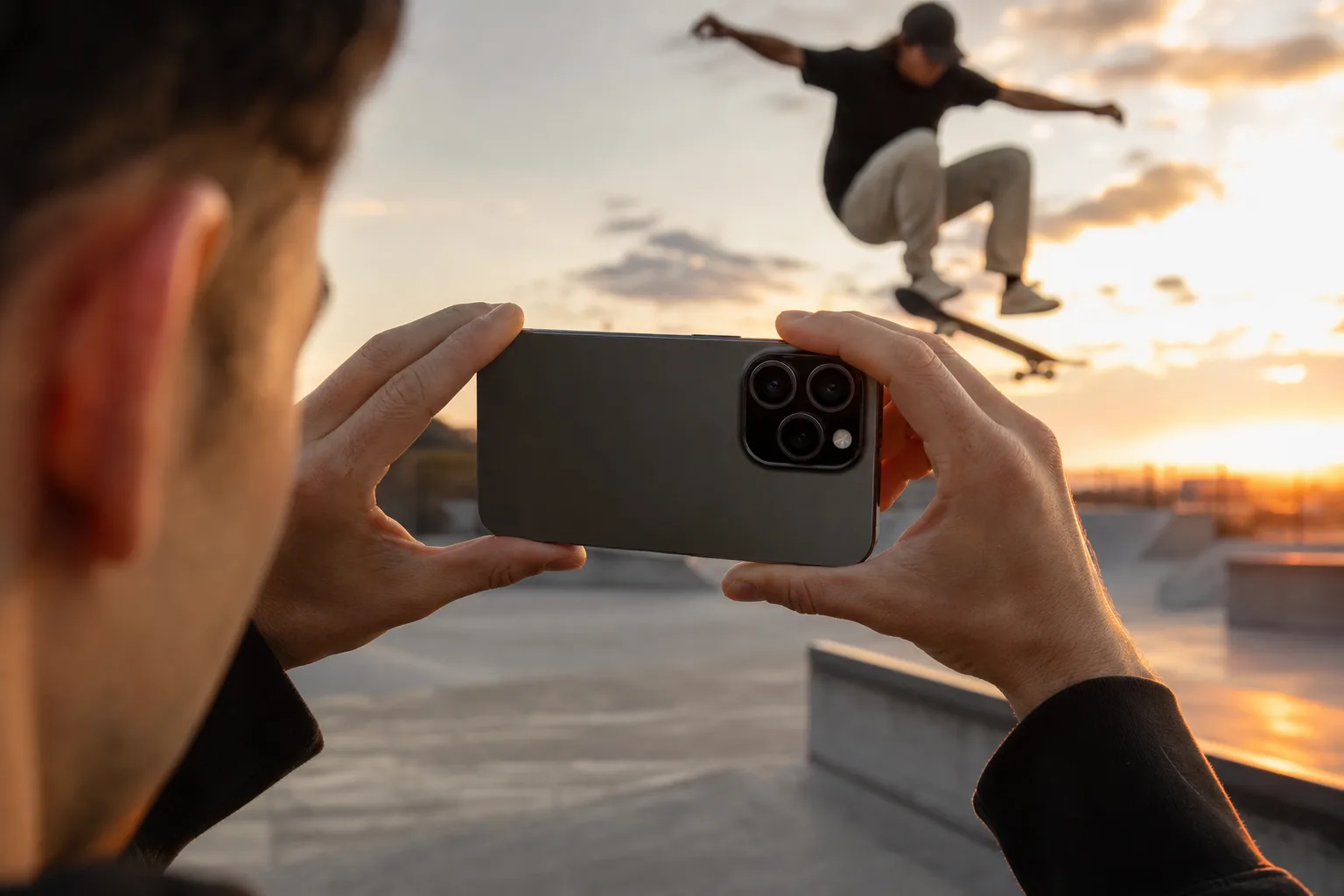
- The vivo X500 Pro will record 4K video at 240fps, putting unusually serious slow-motion hardware in a flagship phone.
- vivo X500 Pro models will also advertise 4K 480fps and 960fps modes, though those rely on frame interpolation rather than straightforward capture.
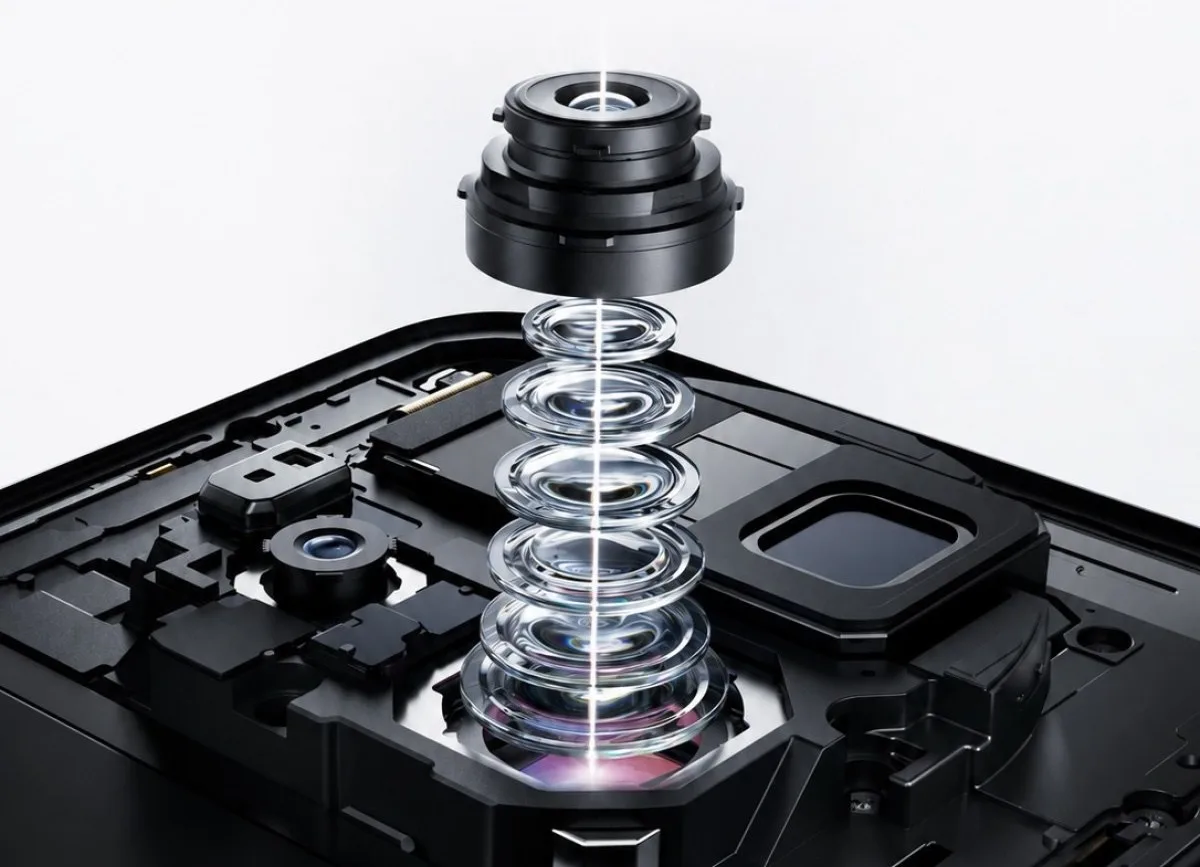
- A Sony co-developed Phantom 900 main sensor is claimed to reach 17EV dynamic range with three-axis optical image stabilization.
- The X500 series launches in China later this month, with global availability and final video quality still unclear.
Table of Contents
vivo X500 Pro video ambitions go well beyond a spec-sheet trick
Slow motion is one of those smartphone features that sounds thrilling right up until you try it indoors and get a grainy, blurry clip of your dog sprinting through the kitchen. The vivo X500 Pro is setting out to fix some of that frustration with a headline-grabbing promise: 4K recording at 240 frames per second. If vivo can deliver clean footage rather than merely a large number on a retail box, this could be one of the more interesting camera launches of the year.
vivo has now shown a short preview clip from the upcoming X500 Pro models, following earlier confirmation that both the X500 Pro and X500 Pro Max support the 4K 240fps mode. The company is also talking up 4K at 480fps and 960fps, plus a new main camera sensor developed with Sony. That is an aggressive package, even by the standards of Chinese flagship phones, where camera specs have become a full-contact sport.
The immediate caveat is simple: we have a teaser, not an independent test. Promotional footage is designed to flatter a phone, and high-frame-rate video lives or dies on light, processing, shutter behavior, autofocus, and stabilization. Still, 4K at 240fps would be a meaningful capability. It creates eight times as many frames as standard 30fps footage, allowing action to be slowed dramatically while retaining 4K resolution.
For somebody actually using the vivo X500 Pro, the appeal is practical. A skateboard trick, a splash, a child blowing out birthday candles, or even a cooking video with a dramatic sauce pour can be slowed down without the mushy low-resolution look that has traditionally defined phone slow motion. That assumes the phone can gather enough light, of course. Physics remains annoyingly undefeated.
The Phantom 900 sensor is the real story to watch
The video pitch ultimately rests on vivo’s new primary rear camera component, called the Phantom 900. The company says the sensor was co-developed by Sony and vivo’s Blueprint Imaging team, and claims up to 17EV of dynamic range along with three-axis optical image stabilization. vivo’s official site has increasingly positioned imaging as the X-series calling card, and this sensor is clearly meant to be the next step in that campaign.
Dynamic range is a dry term for a very visible problem: it is the difference between keeping detail in a bright window while still seeing a person’s face inside a dim room. A 17EV claim sounds enormous. In practice, manufacturers often reach their best figures through multi-frame capture and heavy computational processing, so it should be treated as a vendor measurement until reviewers can test it against difficult backlit scenes.

The stabilization claim may matter more than the EV number. Three-axis OIS is designed to counter physical movement from a user’s hands, and video at 240fps has less time per frame to collect light. Better stabilization can help keep clips usable, especially when the phone is not mounted on a tripod. It won’t turn a midnight skatepark into a studio set, but it can prevent a promising sequence from looking like it was filmed during an earthquake.
vivo has spent several generations pursuing a camera-first identity with the X line, often emphasizing telephoto hardware, portrait processing, and partnerships around imaging components. The vivo X500 Pro appears to be extending that strategy into video, an area where Apple and Samsung have historically enjoyed a stronger reputation among mainstream buyers. The important word there is reputation. Winning it takes more than one impressive slow-motion sample.
4K 480fps and 960fps need a careful reading
The vivo X500 Pro will advertise even higher 4K frame-rate options: 480fps and 960fps. But vivo says these modes are enabled through 4K frame interpolation and variable speed mapping algorithms. Translation: the phone is not necessarily capturing every one of those frames directly from the sensor. It is creating additional frames between captured images and using software to control how motion slows across the clip.
That approach is not automatically bad. Interpolation can make a short moment look wonderfully fluid, and variable speed can give creators an easy ramp from normal playback into dramatic slow motion. It is also increasingly common across the industry. But generated frames can introduce warped edges, strange textures, or flickering around fast-moving objects. Hair, water, spinning wheels, and confetti are particularly cruel tests for this kind of processing.
Frankly, vivo deserves credit for identifying the algorithmic component rather than letting shoppers assume 4K 960fps is wholly native capture. The distinction should be even clearer when the phones launch. There is a real difference between recording 960 unique images per second and using computation to build an effective 960fps result. Both may look good. They are not technically equivalent.
The real test starts after China
vivo says the X500 series will launch in China later this month. That leaves several questions unanswered, including the exact chipsets, storage options, battery trade-offs, pricing, and whether the camera features will remain intact on models sold outside China. Regional versions sometimes differ in software, network hardware, or even camera tuning, so the vivo X500 Pro shown in Chinese teasers may not tell the whole international story.
There is also the Pro Max factor. vivo has confirmed the same core slow-motion capability for both phones, but the larger model could still gain advantages through cooling, battery capacity, or other camera hardware. High-rate 4K video is demanding. A phone that records an impressive ten-second clip but overheats before a second take will not win many loyal creators.
My read is that vivo is making a smart bet. Smartphone photography is now so good in daylight that flagship makers need new places to compete, and video remains a genuine weak spot for plenty of Android rivals. The vivo X500 Pro does not need to beat a dedicated camera to matter. It needs to make high-quality slow motion feel dependable enough that people use it after launch day. That is a much harder test than filming one polished teaser.

