

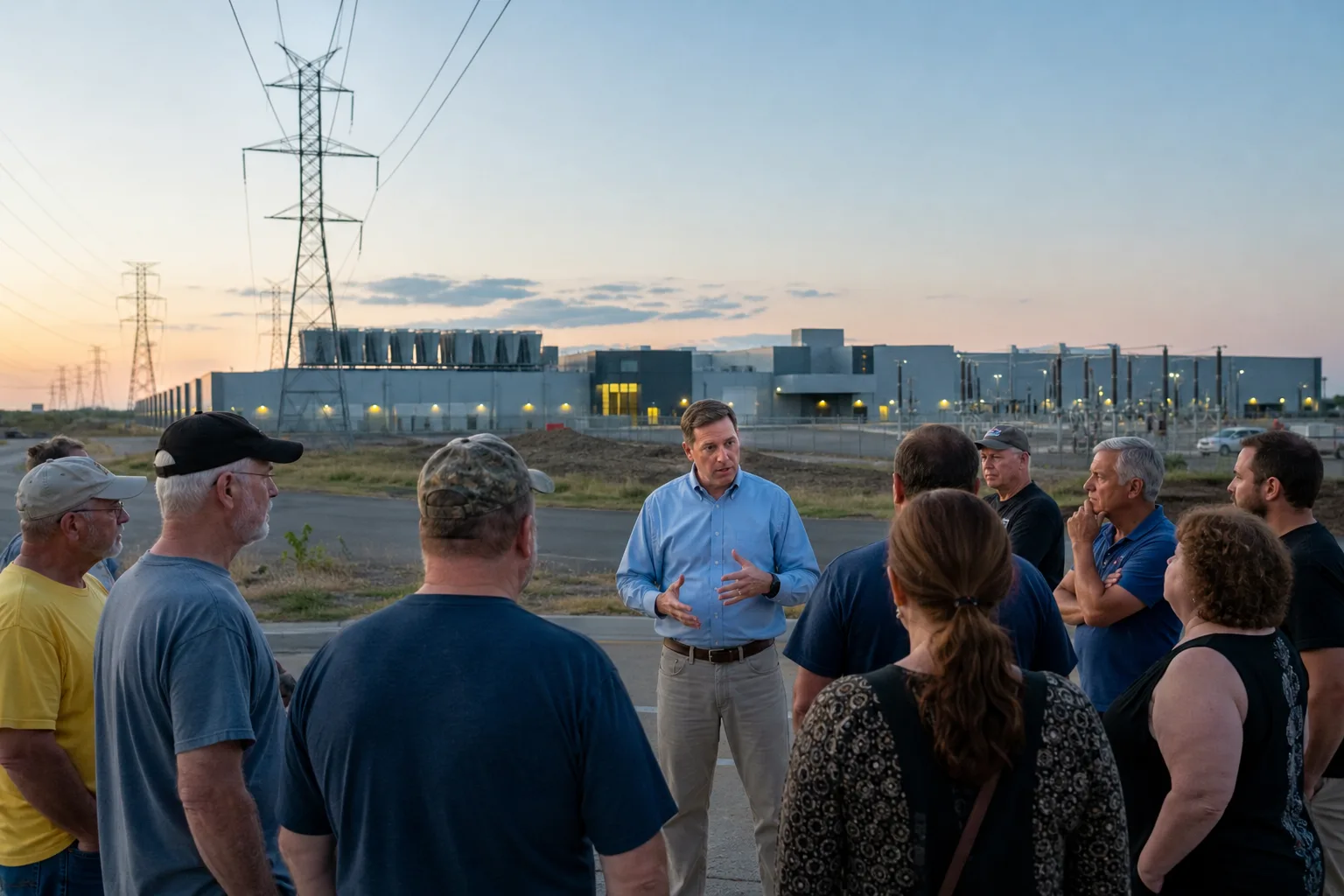
- Data center transparency is becoming a core demand as towns question secret negotiations over AI infrastructure, power, water, and tax breaks.
- Amazon and Microsoft dropping NDAs may improve data center transparency, but disclosure alone will not resolve opposition to massive facilities.
- Temporary moratoriums can still reshape projects by forcing developers to confront environmental reviews, utility constraints, and public skepticism.
- The AI industry needs concrete local benefits, not glossy claims about future innovation that residents cannot see or independently verify.
Table of Contents
Data center transparency starts with the boring paperwork
For years, the AI industry has asked the public to accept an enormous physical buildout on faith. A data center arrives with a bland rendering, a promise of jobs, and usually a lot of missing paperwork. That paperwork is the point. Data center transparency determines whether a town debates an actual project or learns, after the deal is effectively done, that a mysterious tenant needs hundreds of megawatts and a favorable tax package.
Amazon says it will stop using nondisclosure agreements when negotiating data center projects with local governments, following a similar commitment Microsoft made earlier this year. The move appeared inside a broader Amazon argument that its facilities bring investment and economic opportunity to host communities. Fair enough. Large projects can bring construction work, property-tax revenue, and infrastructure upgrades. But burying the end of data center NDAs inside a corporate blog post also tells you how the industry has treated the issue until now: as a small communications adjustment rather than a central legitimacy problem.
My read is that Amazon and Microsoft have noticed the political weather changing. Residents are asking who will use these campuses, how much power they will draw, whether their utility bills could rise, and what happens when water is scarce. Those are not fringe questions. They are the basic questions any community should ask before it effectively hosts a private industrial plant.
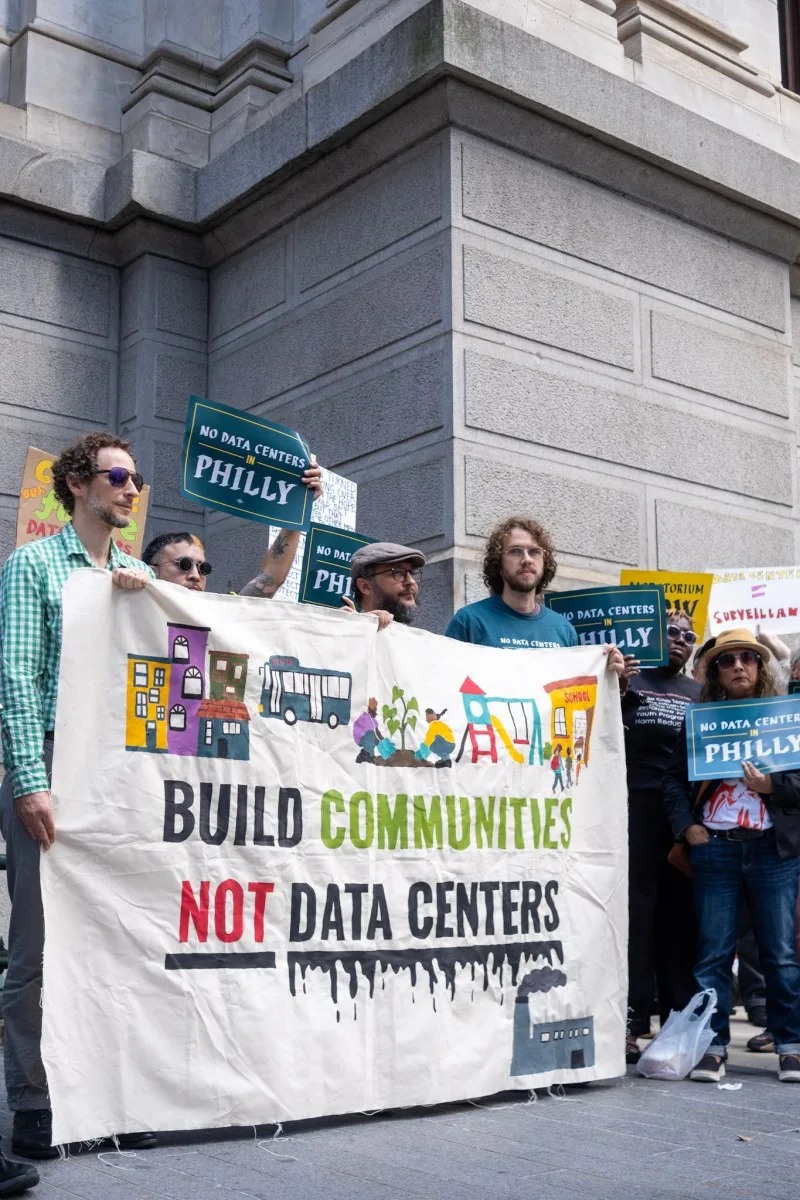
Why secret deals poisoned the well
Data centers are odd economic-development projects. They can cost billions of dollars to build, occupy vast parcels of land, and consume electricity on a scale that makes local grids nervous. Yet once running, they generally employ far fewer people than an automobile factory or a distribution hub of comparable physical size. The facilities may be essential to cloud computing and AI training, but that does not automatically make every proposed campus a good deal for its neighbors.
When the developer, utility, elected officials, and an unnamed technology company negotiate behind closed doors, skeptics reasonably assume the public is carrying more risk than it can see. Data center transparency should mean disclosure of the developer and eventual tenant when possible, projected energy and water use, requested tax incentives, expected jobs, backup-generator plans, and the agreements governing grid upgrades. A press release saying a project will create “economic opportunity” is not a substitute for those details. That is the practical standard data center transparency should meet.
There is a familiar tech-industry precedent here. Uber’s rapid mid-2010s expansion often involved cities negotiating subsidies and special arrangements with little daylight. By the time residents found out, the political framing was already tilted: support the deal or be portrayed as hostile to innovation. The cloud industry risks replaying that script, only this time the infrastructure is a giant building next to someone’s neighborhood and the bill may run through a utility.
Amazon’s new posture deserves credit. So did Microsoft’s. But an NDA ban has a glaring limitation: companies can still disclose selectively, use consultants and subsidiaries that muddy accountability, or reveal facts only after major commitments have been made. Data center transparency cannot be a semantic trick where the contract is public but the crucial capacity assumptions remain opaque.
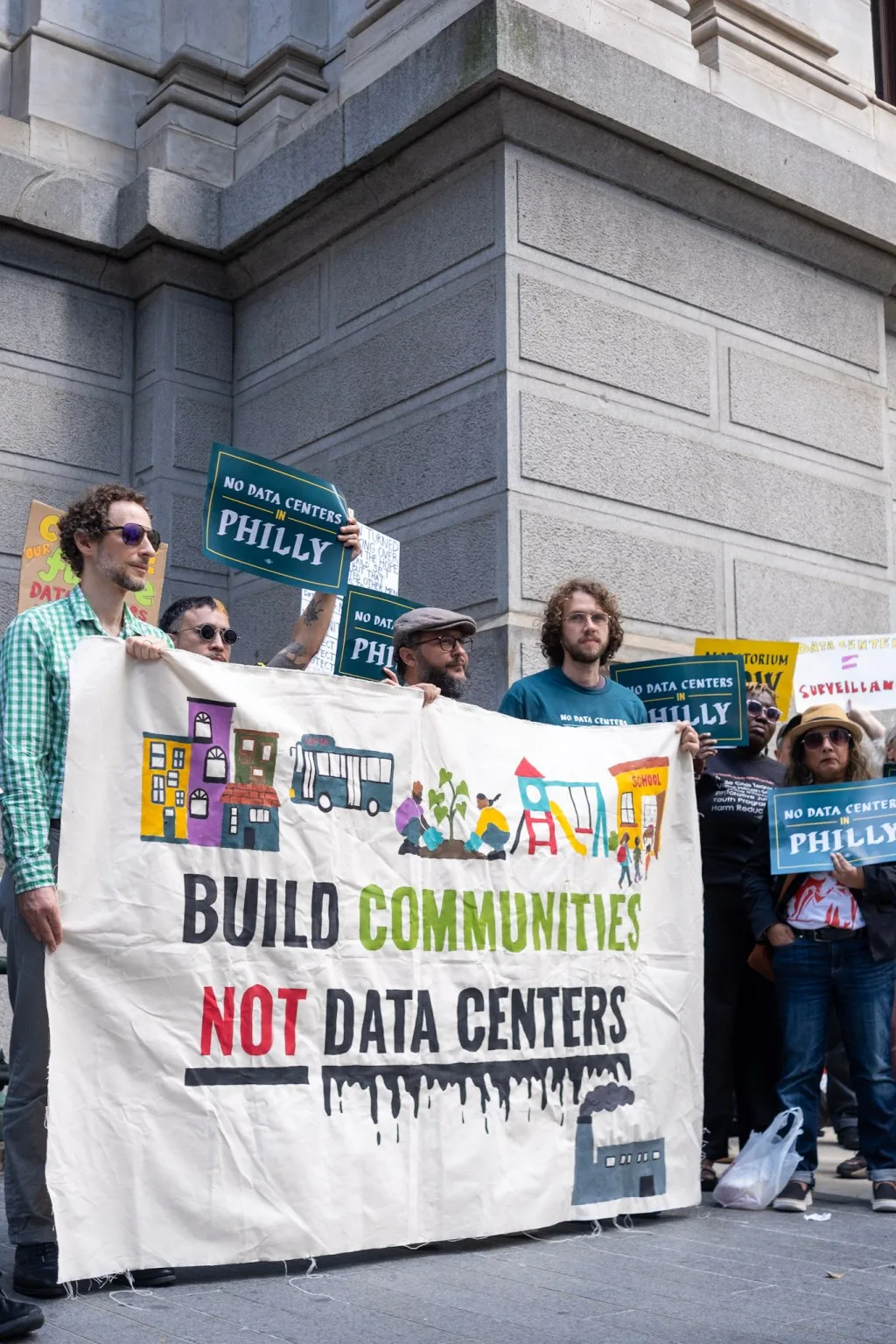
A one-year pause can have a long shadow
Opponents have gained a tool that the industry plainly dislikes: the data center moratorium. Places including New York have pursued temporary pauses or review processes for large projects, while San Francisco has also considered restrictions despite its own deep connection to the AI boom. Critics of those measures point out, correctly, that an AI campus can take years to finance, permit, connect to the grid, and build. A one- or two-year pause may not stop a project scheduled for the early 2030s.
But that analysis misses what a pause can do. It changes the sequence. Instead of locking in a site, then asking regulators to make the power and water work, a moratorium can force developers to answer foundational questions first. Is the grid capacity real? Who pays for new transmission? Are diesel generators acceptable? What standards apply during drought? What public benefit survives if the company later changes plans?
That makes data center transparency and moratoriums inseparable. The goal is not necessarily to ban every facility. It is to stop public oversight from becoming a ceremonial final step. A short policy pause can also create political muscle memory: residents organize, utilities publish projections, reporters request records, and elected officials learn which claims hold up. Once that happens, returning to the old closed-door model gets harder.
AI needs a case people can actually believe
Tech executives often seem baffled that people do not instinctively cheer for more compute. They see AI data centers as the engines behind medical research, scientific modeling, productivity tools, and the next generation of software. Local residents may see a windowless warehouse, transmission lines, construction traffic, and a utility warning about capacity. Both viewpoints can be true, but only one has been communicated in concrete terms. Data center transparency would make that tradeoff easier to assess.
The industry’s real problem is not that it lacks a story. It has too many abstract stories. “AI leadership” and “innovation” do not answer whether a family’s electricity costs could increase. Nor do they explain why a community should grant a tax abatement to a facility with relatively modest permanent staffing. If companies want consent rather than mere permission, they should publish project-level numbers and accept binding conditions when those numbers change.
That could include independently auditable energy-use targets, water limits tailored to local conditions, utility-cost protections for households, community payments, and clawbacks when promised investment or jobs fail to materialize. Data center electricity demand is rising quickly and requires serious planning. The response cannot be a friendly blog post and a handshake.
Data center transparency is not anti-AI. Frankly, it is the industry’s best chance to build infrastructure without turning every new campus into a local revolt. Amazon and Microsoft have taken a sensible first step by moving away from NDAs. The harder test is whether they will still welcome scrutiny when the disclosed numbers are inconvenient.
Frequently Asked Questions
What does data center transparency mean for local communities?
Data center transparency means residents and local officials can see who is behind a proposed facility, what incentives were offered, and how it may affect water, electricity, land use, and taxes. It also means negotiations are not hidden behind nondisclosure agreements before public review begins.
Why are communities placing moratoriums on data centers?
Communities are using moratoriums to pause permits while they examine environmental rules, grid capacity, zoning, water use, and tax arrangements. These pauses may be limited in duration, but they give residents and lawmakers time to set conditions before expensive projects become politically difficult to stop.
Will ending NDAs stop opposition to AI data centers?
Probably not on its own. Removing NDAs can make debates more credible because residents know what is proposed, but opponents may still object to rising power demand, water consumption, noise, land use, or insufficient local jobs. Companies need measurable commitments alongside open negotiations.