- Petra Power fuel cells convert fuel electrochemically, avoiding the combustion-heavy process used by conventional generators and turbines.
- Petra Power fuel cells are aimed at smaller cloud operators first, with initial data center deployments targeted for 2028.
- The 15-person startup has secured nearly $9 million in Defense Department contracts for auxiliary vehicle power development.
- Efficiency claims matter, but fuel supply, durability, installation costs, and production scale will determine whether the technology catches on.
Table of Contents
Petra Power fuel cells target power’s biggest new problem
AI has made electricity procurement one of the technology industry’s messiest bottlenecks, and Petra Power fuel cells are being pitched as a compact answer to it. The startup wants to put solid oxide fuel cells beside data centers and inside defense vehicles, supplying electricity without the familiar chain of burning fuel, spinning machinery, and losing a fair chunk of energy as heat.
The timing is hard to miss. Data center operators are running into grid interconnection queues measured in years, while natural-gas generators have become the default backup plan for new campuses that cannot wait for utilities to catch up. AI may be software from the user’s perspective, but behind the curtain it is an industrial power business: racks of GPUs, substations, cooling systems, and increasingly desperate searches for dependable megawatts.
Petra, founded in 2017, says its ceramic fuel-cell systems can use fuels such as natural gas to generate electricity more efficiently than conventional combustion equipment. Founder Aaron Goodman describes the traditional route as an unnecessarily lossy relay race. Fuel is burned, heat creates motion, motion drives a generator, and electricity comes out at the far end.
“Combustion takes fuel and creates explosions,” Goodman said. “Those explosions create heat. That heat creates motion. The motion powers an electromotive force, which eventually creates electricity.”
The technical premise is sound in broad terms. A fuel cell produces power through an electrochemical reaction rather than burning fuel in an engine or turbine. In Petra’s case, a solid oxide fuel cell operates at very high temperatures and can potentially run on several fuels. For Petra Power fuel cells, the company’s argument is that directly extracting electrical energy from fuel cuts out mechanical steps and improves efficiency.
But the word that deserves attention is potentially. Fuel cells have spent decades as one of energy technology’s most persistent “almost there” stories. They can be efficient, quiet, and useful where grid power is constrained. They can also be expensive, demanding to operate, and sensitive to the real-world economics of fuel, maintenance, and uptime. Data centers do not buy elegant chemistry experiments. They buy boring reliability.
Why data centers are looking beyond the grid
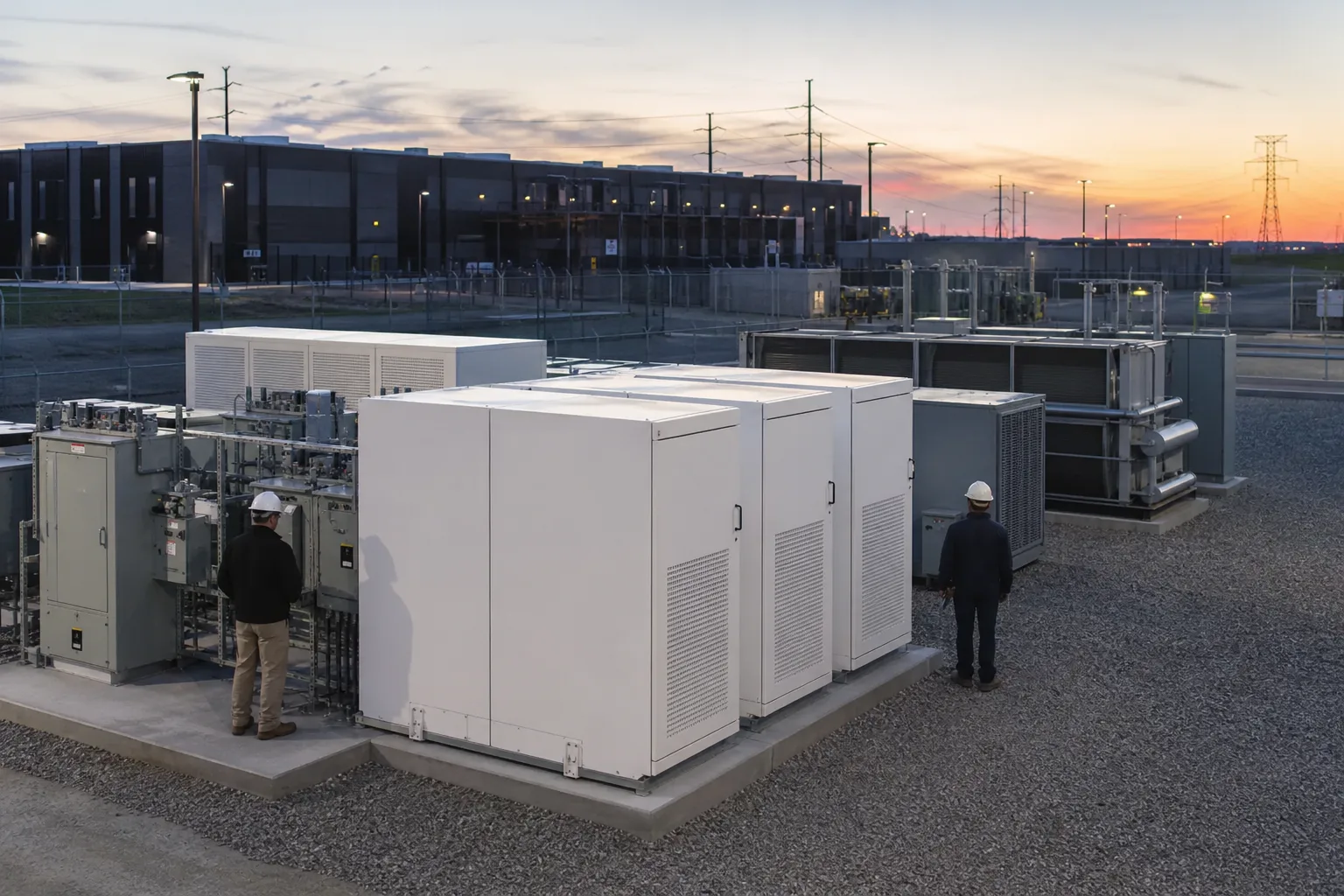
For Petra Power fuel cells, the immediate opportunity is not necessarily replacing a utility-scale power plant. It is giving a data center another option when the local grid cannot provide capacity fast enough, when diesel backup is unpopular, or when land is too scarce for sprawling conventional infrastructure.
Goodman says the company is speaking with neoclouds and infrastructure providers below the hyperscaler tier. That distinction matters. Microsoft, Google, Amazon, and Meta have immense purchasing power, but they also have famously slow qualification processes and armies of engineers whose job is to find failure modes before a supplier gets anywhere near a production site. Smaller GPU-cloud providers may be hungrier for unconventional power because their businesses are growing faster than their utility access.
Petra is aiming for first deployments in 2028 and full-scale production in 2029. That is a reasonable timeline for a hardware company working in critical infrastructure, though it also means investors and customers will need patience. The current AI infrastructure scramble rewards companies that can ship now; fuel-cell manufacturing is more like opening an aircraft-parts factory than releasing a software feature.
The company’s claims around footprint and weight could be meaningful. Data center campuses are constrained by transmission access, permitting, cooling equipment, and plain old real estate. A denser onsite generator could give an operator flexibility, particularly in markets where every extra acre and megawatt has become contested. Petra Power fuel cells could also operate as prime power rather than a generator that sits idle until the lights go out, which improves the business case if the systems achieve their efficiency targets.
Still, natural gas does not become climate-neutral merely because it enters a fuel cell instead of a turbine. Lower emissions than combustion are useful, and efficiency genuinely reduces fuel consumption, but methane leakage upstream remains a serious issue. The International Energy Agency’s Global Methane Tracker has repeatedly made the same uncomfortable point: reducing leaks across oil and gas systems is crucial if gas is going to retain any credible role in lower-carbon energy plans.
My read is that Petra’s strongest environmental argument is not zero emissions. It is a more practical one: use less fuel for the same power, occupy less space, and create a pathway to cleaner fuels if those fuels become available at usable prices. That is less glamorous than a clean-energy slogan. It is also more honest.
A defense customer can validate Petra Power fuel cells
The second market for Petra Power fuel cells is the U.S. Defense Department, where the company sees an opening in auxiliary power for land vehicles. The concept is straightforward: when a vehicle’s main engine is off, onboard electronics, communications gear, sensors, and climate systems still need electricity. Running a large engine solely to charge batteries is wasteful, noisy, and potentially risky in a field setting.
Fuel cells could provide a quieter and more fuel-efficient alternative. They may reduce idling and lessen the thermal and acoustic signatures that matter in military operations. That is the upside. The catch is that defense procurement is not a market that rewards a sharp demo alone. Equipment must survive vibration, weather, logistics constraints, maintenance cycles, and the kind of abuse no data center generator will ever see.
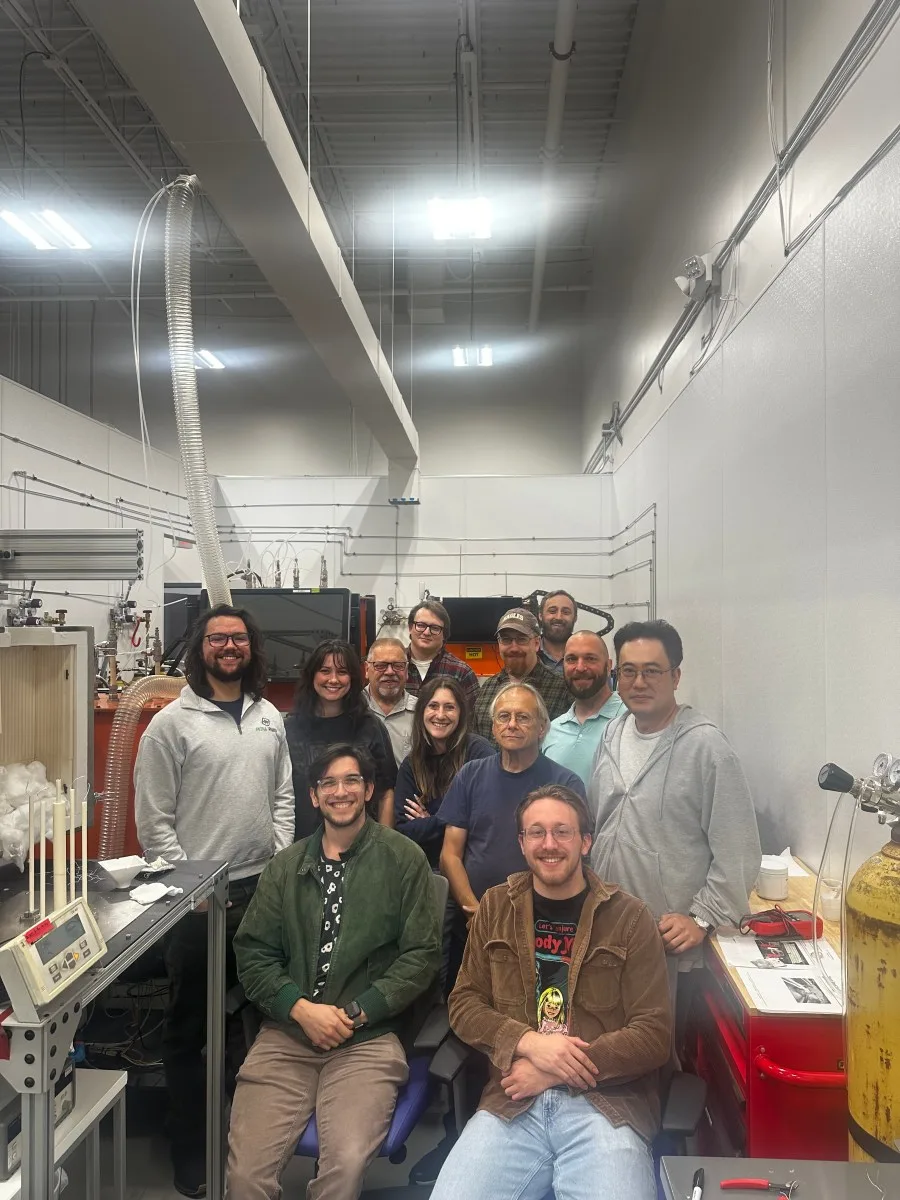
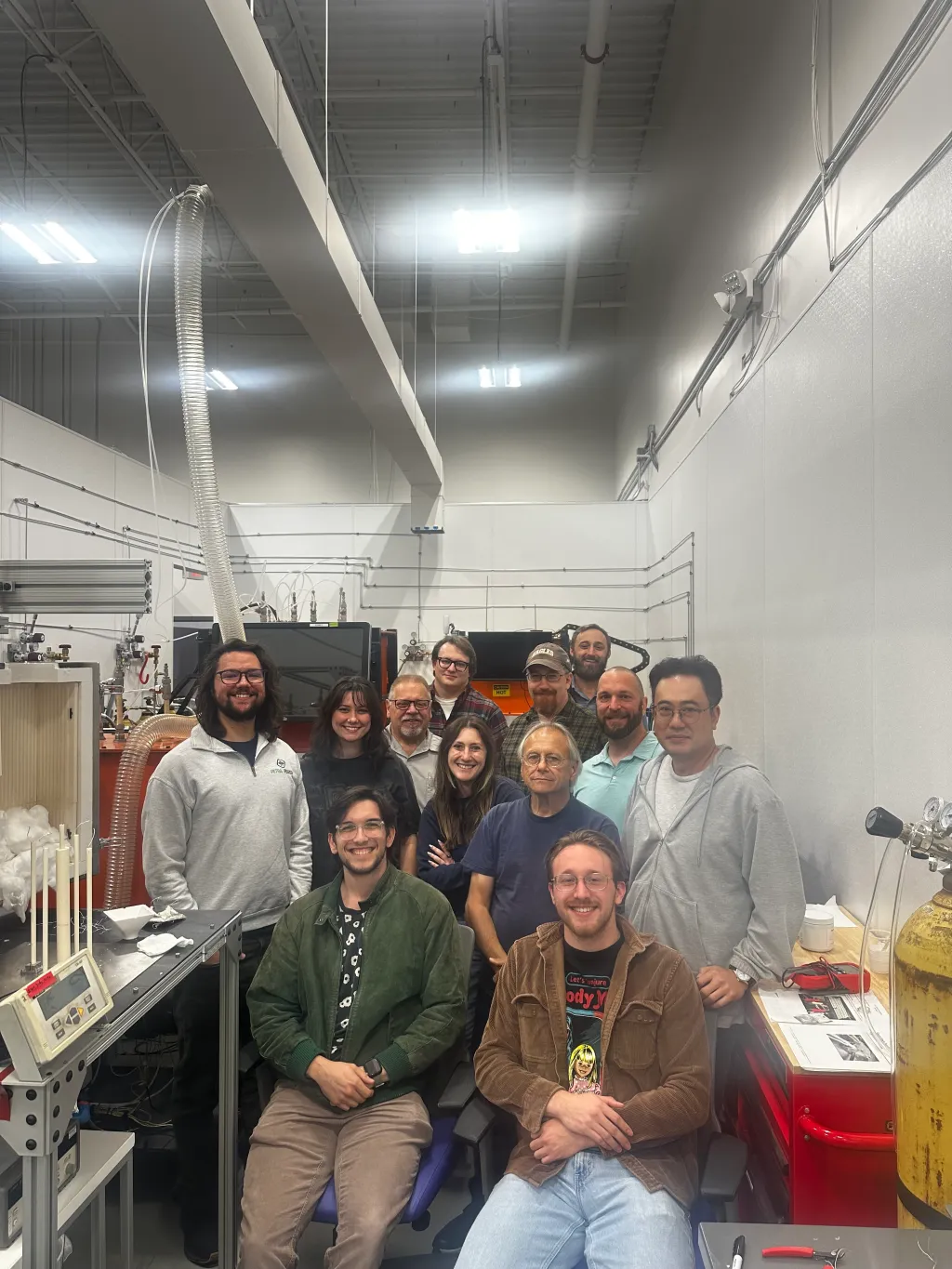
Petra has not deployed its technology on an operational vehicle yet. It remains in testing while the government decides whether to proceed. The startup has received nearly $9 million in Defense Department contracts so far, according to Goodman, and employs roughly 15 people. For a young energy hardware company, that is a meaningful vote of confidence. It is not proof of a scaled product.
There is precedent for the Pentagon helping fund energy technologies before commercial markets fully materialize. GPS, advanced batteries, drones, and semiconductor research all benefited from government demand at pivotal moments. But defense awards can also become a comfortable cul-de-sac: years of prototypes, pilot projects, and slide decks with no large production contract at the end. Petra needs to show that its systems can be built repeatedly, serviced predictably, and priced against incumbent generators.
The hard part is manufacturing, not the chemistry
Goodman says fuel cells work by taking electrons directly from the fuel. “It’s one step, no loss, and subsequently, in theory, at least, they’re much, much more efficient,” he said. The “in theory” qualification is doing valuable work there. No physical system has no losses, especially one that must manage high operating temperatures, inverters, controls, fuel handling, heat cycling, and degradation over thousands of hours.
That does not make the proposition weak. It puts Petra Power fuel cells in the category of technologies that must earn trust through deployments rather than diagrams. Bloom Energy has already shown there is a market for solid oxide fuel cells in commercial power, including data center applications, but it has also shown how capital-intensive and operationally demanding the business can be. Petra will need a clear edge in cost, efficiency, size, fuel flexibility, or all four.
The AI boom has created an opening that fuel-cell startups did not have a few years ago: customers are no longer asking only whether onsite generation is cleanest. They are asking whether it can arrive before their computing hardware becomes obsolete. If Petra Power fuel cells can deliver dependable power on that timetable, the company may find buyers willing to pay for the privilege. If not, the grid, gas turbines, and diesel generators will keep doing what incumbents do best: being available when the new thing is still in testing.