- Samsung Galaxy Card gives US shoppers 5% cash rewards on direct Samsung purchases and carries no annual fee.
- Samsung Galaxy Card puts applications, account controls, and immediate card access inside Samsung Wallet through Barclays.
- The card offers 3% back through Samsung Wallet, 2% on qualifying streaming services, and 1% on other purchases.
- Samsung’s July 22 application launch aligns its new finance push with the expected debut of fresh Galaxy foldables.
Table of Contents
Samsung Galaxy Card enters a very Apple-shaped market
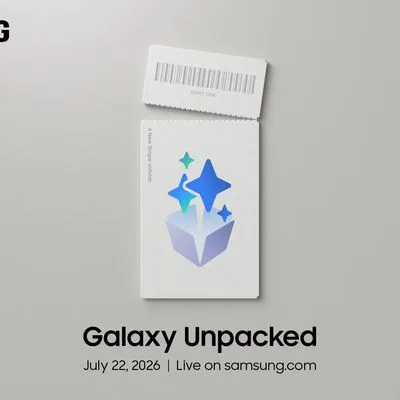
Samsung wants a more permanent place in its customers’ pockets, and the Samsung Galaxy Card is its latest attempt to claim it. The company is launching its first US credit card with Barclays, offering 5% cash rewards on purchases made directly with Samsung and no annual fee. Applications open July 22, the same day Samsung is expected to unveil new Galaxy foldables at its Unpacked event.
On paper, this is a straightforward consumer-finance product. In practice, it is Samsung borrowing a page from Apple’s ecosystem playbook: make buying the next phone, tablet, TV, or wearable feel easier, then give customers a small reason to remain inside the company’s shopping loop. Apple has spent years turning Apple Card and Apple Pay into quiet but useful loyalty machinery. Samsung has the hardware breadth to try something similar. Whether it has the retail pull is the harder question.
The Samsung Galaxy Card will run on Visa’s network, while Barclays handles the banking side. Approved applicants can begin using a digital version immediately in Samsung Wallet, with a black metal physical card arriving afterward. That color choice feels like a deliberate visual retort to Apple Card’s now-familiar white titanium slab. Credit cards are rarely thrilling objects, but tech companies have learned that even the boring plastic in your wallet can double as brand advertising.
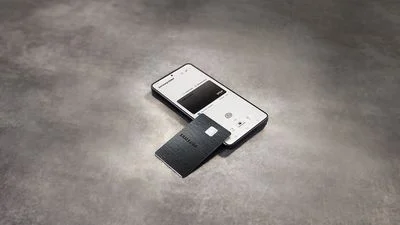
Samsung Galaxy Card rewards are stronger where Samsung needs them
The reward structure is unusually direct. Cardholders get 5% cash rewards on purchases from Samsung’s US website and stores, 3% on purchases made with Samsung Wallet, 2% on streaming services including Netflix, Disney+, and Spotify, and 1% everywhere else. New accounts can also earn $200 in cash rewards after spending $2,000 within the first 90 days.
That 5% rate is the headline, and it is meaningfully higher than Apple Card’s 3% cash back on purchases from Apple. The comparison has an asterisk the size of a Galaxy Ultra, though: neither company is offering its richest reward rate for ordinary daily spending. These are incentives aimed at people already planning to buy expensive hardware from the company. A $1,800 foldable phone makes 5% back look attractive; it also means Samsung has already convinced you to spend $1,800.
The 3% Samsung Wallet category may be the more strategic one. Samsung Wallet needs a reason to become a payment habit rather than an app people open only for boarding passes or a digital car key. Apple enjoys an enormous advantage because iPhone owners encounter Apple Pay everywhere; Samsung has to earn attention across a much more fragmented Android world. A higher rewards rate is a sensible nudge, even if it cannot fix merchant acceptance or customer habits by itself.
Samsung is also attaching a 20% discount on its Samsung VIP Advantage membership when customers pay with the card. That may sound like a footnote, but it reveals the larger ambition. The Samsung Galaxy Card is designed to connect purchases, support benefits, upgrades, and financing into one recurring relationship. This is less about replacing someone’s favorite grocery card than making Samsung’s own checkout page harder to leave.
A wallet-native card, without another banking app
Barclays calls this its first digital wallet-native credit card, meaning customers manage the account through Samsung Wallet rather than a separate issuer-branded banking app. It is a clean setup, and Apple has already shown that people will use it. Samsung Wallet already holds payment cards, passes, IDs, and digital keys, so placing the card there should feel natural for committed Galaxy users.
For Samsung, the integration matters as much as the metal card. Wallet apps are increasingly becoming the front door to personal finance on a phone. They expose balances, rewards, transaction alerts, and payment defaults at the exact moment a customer is about to buy something. The Samsung Galaxy Card gives Samsung a much more visible role in that daily routine, while Barclays supplies the regulated lending infrastructure behind the curtain.
Samsung also offers special financing for Galaxy devices bought directly through Samsung, mirroring Apple Card’s installment option for Apple purchases. Samsung has long offered financing through various promotions and partners, so the novelty is not credit itself. The difference is tighter ownership of the experience: a customer can apply, buy a device, choose financing, and monitor the account through a Samsung-branded wallet.
Readers should still treat the reward figures as the beginning of the fine print, not the end of it. Credit cards live and die by annual percentage rates, financing terms, category exclusions, and whether the best offers can be combined with other promotions. Samsung and Barclays will need to make those details easy to find. A flashy rewards chart is nice; clear terms are better.
Apple Card has a partnership problem Samsung can avoid
Samsung’s timing is notable because Apple Card is heading into a complicated handoff. Goldman Sachs, Apple’s original issuing partner, has been working to exit consumer lending, and JPMorgan Chase is set to take over the portfolio in a transition expected to continue through 2027. The public-facing Apple Card experience has remained familiar, but the saga showed how difficult it can be to pair a consumer-tech giant with a bank that has different economics and a different tolerance for risk.
Barclays is no stranger to co-branded cards, having operated high-profile partnerships across travel and retail. That experience does not guarantee that the Samsung Galaxy Card will be painless or popular, but it gives Samsung a partner that understands the basic assignment. The bank handles underwriting and lending; Samsung keeps the interface and customer relationship feeling like its own.
My read is that Samsung does not need this card to beat Apple Card account for account. It needs the card to make a Galaxy purchase feel a little more rational at the moment a buyer is comparing a Fold to an iPhone, or a Samsung TV to a rival model. Five percent back, immediate wallet access, and device financing can all help close that sale.
The real test comes after the Unpacked launch buzz fades. If the Samsung Galaxy Card becomes a useful daily payment option, Samsung Wallet gets stickier and the company gains another durable connection to its customers. If it becomes merely a black metal coupon for people who buy a phone every few years, it will be remembered as a very expensive accessory. Samsung has built enough of an ecosystem to make the first outcome plausible. Now it has to make consumers care enough to apply.
For more details on Samsung’s broader mobile products and services, visit Samsung’s official US site.