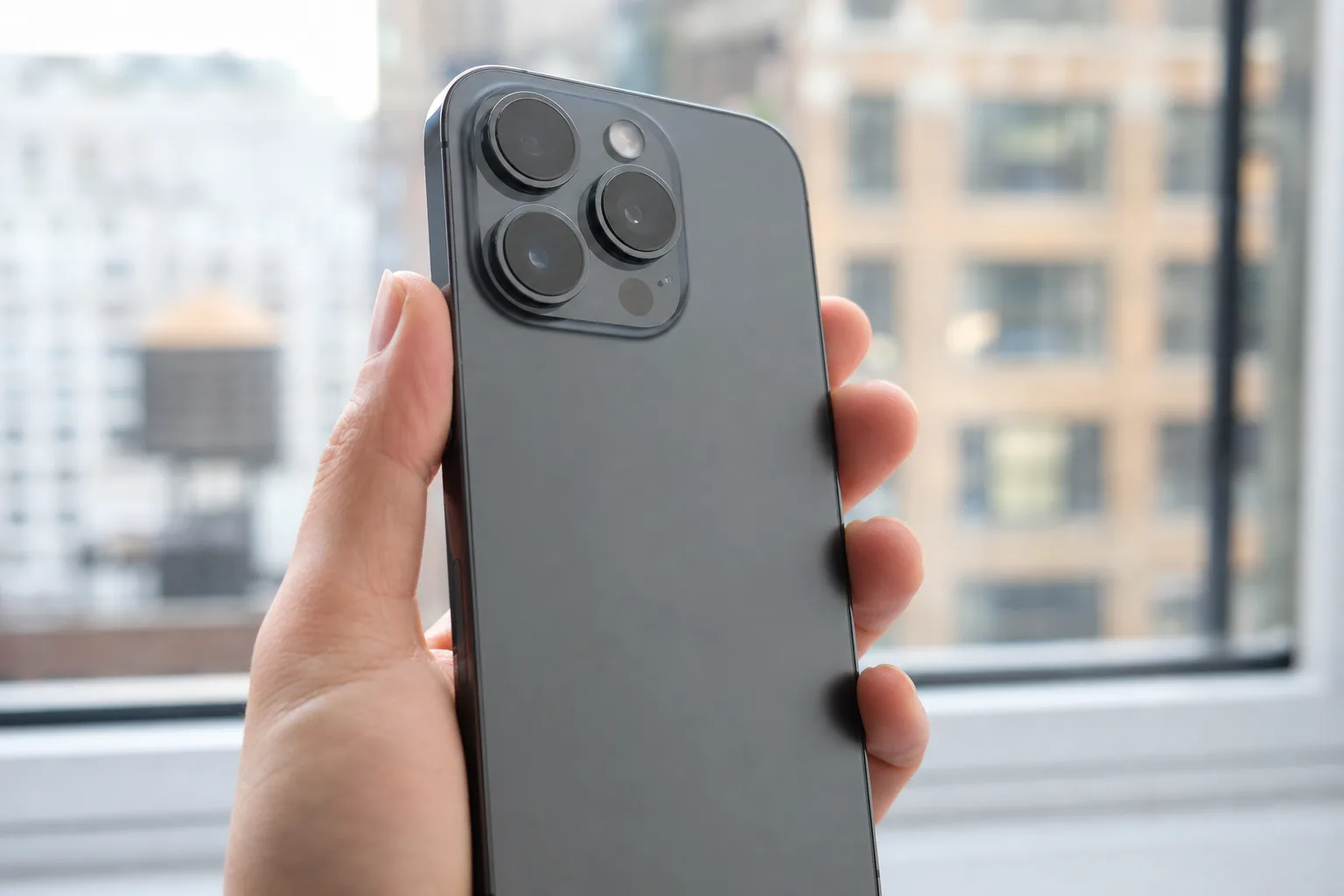
- The iPhone 18 Pro is expected to pair a variable aperture main camera with a noticeably reduced Dynamic Island cutout.
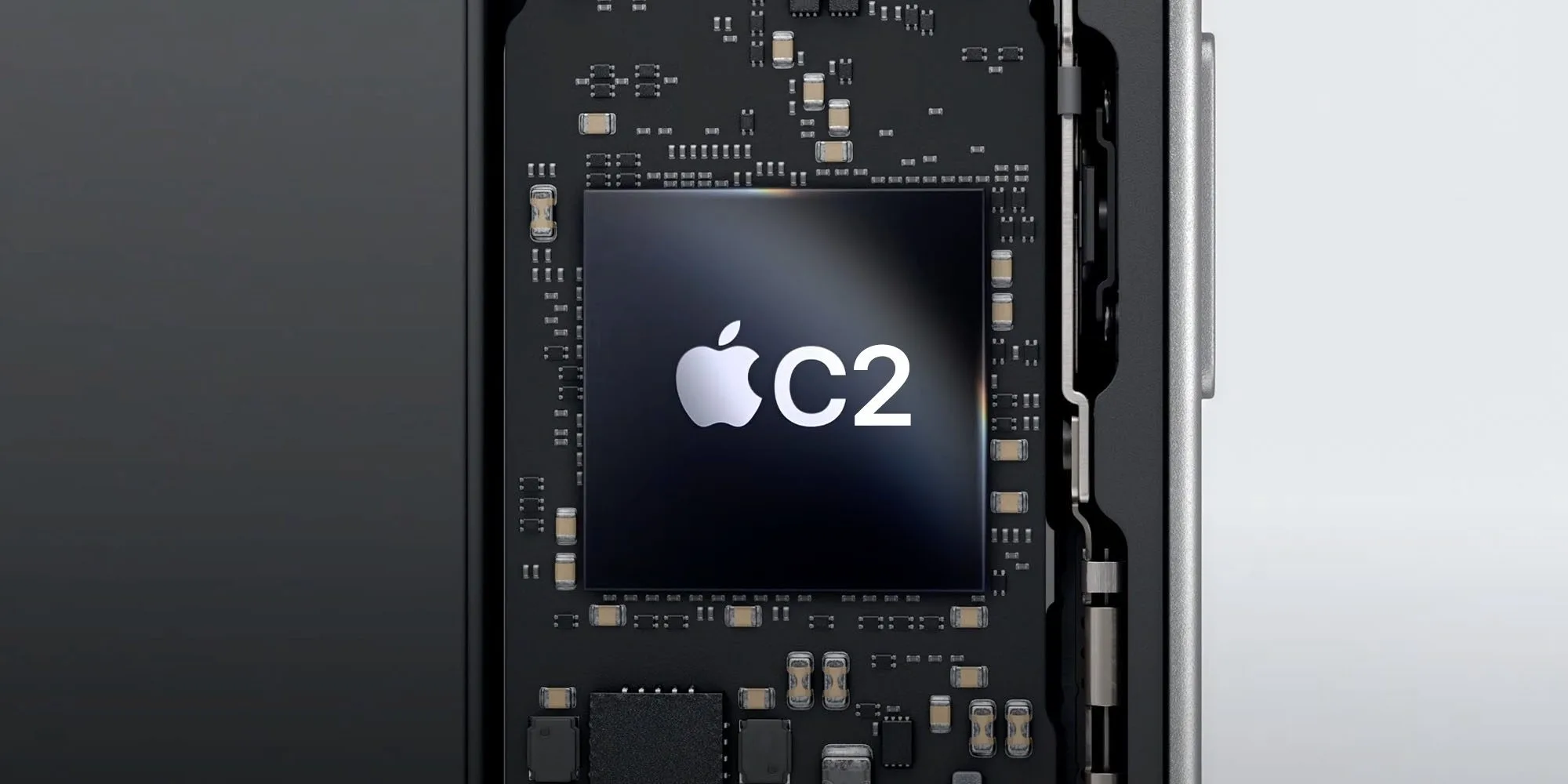
- Apple’s iPhone 18 Pro could move its premium phones closer to an all-in-house wireless architecture through the new C2 modem.
- A variable aperture could improve portrait control and low-light flexibility, but Apple’s software choices will determine its real value.
- The modem transition matters beyond benchmark speeds because power efficiency can directly affect everyday battery life and signal reliability.
Table of Contents
Why the iPhone 18 Pro upgrades matter
Apple has spent years making the iPhone better in ways that are real but often hard to spot from across a store table. The iPhone 18 Pro, expected to be unveiled next week, may be a different sort of update: one where three long-rumored changes finally become tangible. A variable aperture camera, a smaller Dynamic Island and Apple’s next cellular modem may sound like spec-sheet housekeeping. They aren’t. Together, they point to Apple taking tighter control of the phone’s photography, display design and radio hardware.
That doesn’t automatically make this a dramatic redesign. Frankly, Apple’s recent Pro cycles have trained buyers to expect polish over surprise. But the company’s best upgrades tend to work exactly this way. You may not wake up excited about an aperture mechanism or a baseband chip, yet you will notice a better portrait, a little more screen, or a battery that makes it through a difficult travel day.
Reports have tied all three features to the iPhone 18 Pro after years of shifting schedules. That history is useful context. Hardware roadmaps slip all the time, particularly when the component in question has moving parts, has to fit inside an increasingly crowded phone, or must work across dozens of cellular networks worldwide.
iPhone 18 Pro camera: variable aperture is the big swing
The variable aperture rumor has been hanging around Apple’s camera plans since reporting from The Information suggested the technology could arrive as early as the iPhone 17 generation. Analyst Ming-Chi Kuo later pointed instead to the iPhone 18 family. Current chatter suggests it is headed for the main camera, potentially beginning with the larger Pro Max model rather than both Pro handsets.
For anyone who has used a dedicated camera, the basic appeal is familiar. An aperture is the adjustable opening that controls how much light reaches the sensor. A wider opening can help in dim scenes and create shallower depth of field; a narrower setting can retain more of a scene in focus. Most smartphones use a fixed aperture, then lean heavily on computational photography to simulate choices a camera lens would traditionally make.
Samsung has tried a version of this before, including variable-aperture hardware in the Galaxy S9. The concept was interesting, but the practical payoff was limited by small sensors and only a couple of aperture positions. Apple’s possible implementation could be more ambitious, or it could simply offer a modest mechanical adjustment that helps its image-processing pipeline. We don’t know yet.
My read is that Apple has a chance to make this feature meaningful precisely because it will not present it as a photography-school lesson. The company will likely turn aperture control into clearer portrait separation, fewer ugly night shots and more natural-looking video. If it merely adds another buried camera toggle, it will be a missed opportunity. The iPhone 18 Pro has to make the physical lens change visible in the pictures, not merely visible in a teardown.
There is also a less glamorous reason Apple may want it: computational portrait modes can make obvious mistakes around hair, glasses, pet ears and transparent objects. Real optical blur does not eliminate those problems, but it gives software less work to fake. After years of aggressive processing, a bit more physics in the camera stack would be welcome.
A smaller Dynamic Island is overdue, not transformative
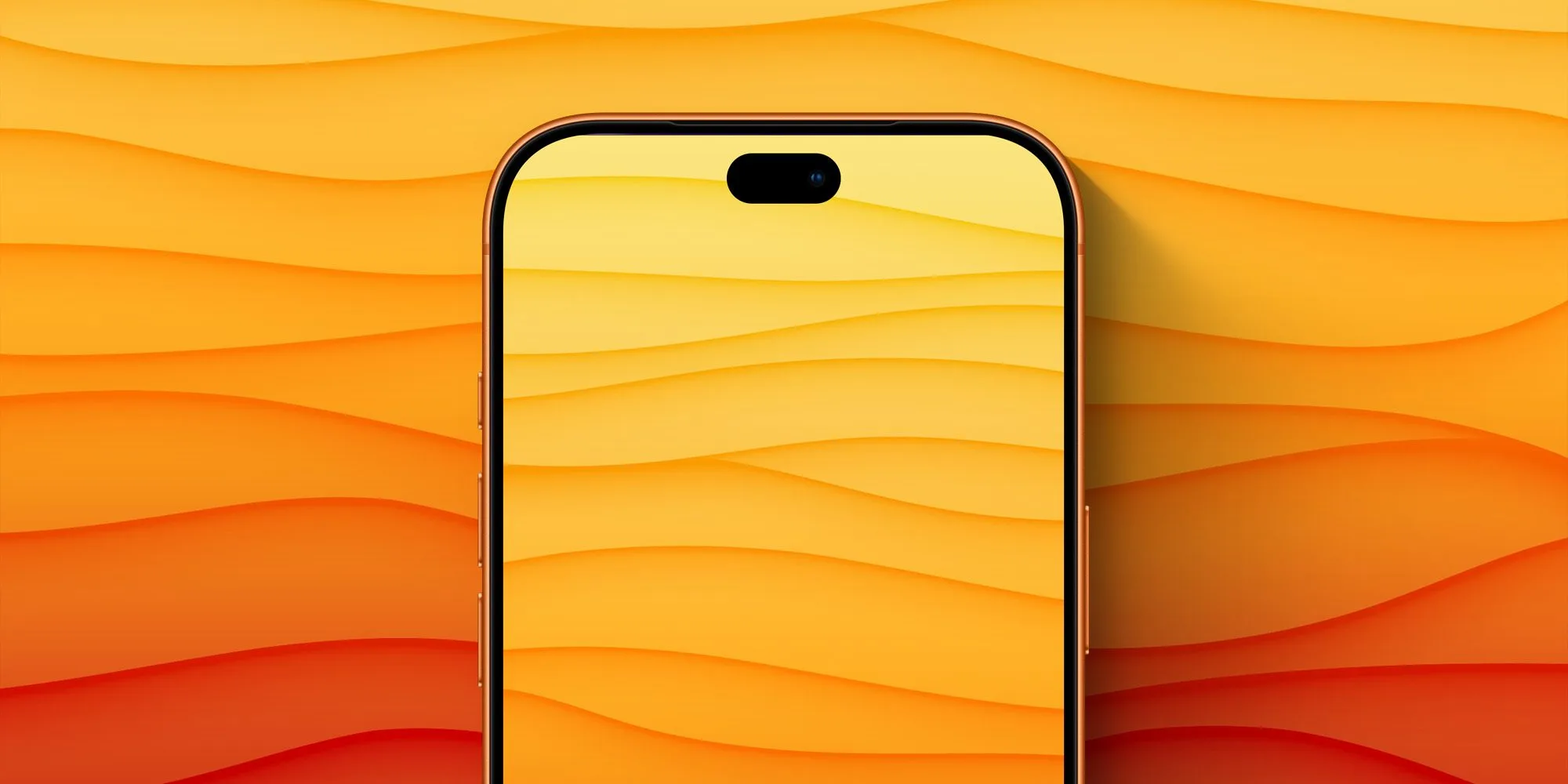
Apple introduced the notch with the iPhone X, then swapped it for the Dynamic Island on the iPhone 14 Pro in 2022. The Island was a clever answer to an unavoidable hardware cutout: rather than pretend the hole did not exist, Apple animated alerts, timers, music controls and navigation around it. It remains one of those Apple interface ideas that looked like a gimmick on day one and became normal remarkably fast.
The next step, reportedly, is a cutout roughly 35% smaller on the iPhone 18 Pro. That is welcome, though nobody should confuse it with the rumored eventual all-screen iPhone. Face ID hardware still needs somewhere to live. A narrower pill simply means more usable pixels at the top edge and a less intrusive black shape when watching video or reading.
There is a software clue here, too. Apple’s newer Siri visual treatment in iOS 27 has been cited as a hint that the company is thinking again about how its interface occupies the screen. Whether that connection proves deliberate or merely convenient rumor arithmetic, a smaller Island would give Apple more room to refine live activities and system status indicators. It should feel less like a workaround and more like part of the display.
Apple has consistently framed the Dynamic Island as an interface feature rather than a compromise. You can see the current version in Apple’s own iPhone lineup, where the design has moved well beyond its original Pro-only debut. The iPhone 18 Pro could be the model that makes the hardware behind that interface recede a bit further.
Apple’s C2 modem is the quieter, more consequential change
The C2 modem may be the least marketable upgrade, and it could be the most consequential one. Apple began shipping its first in-house cellular modem, called C1, only last year. Its arrival followed a long and expensive effort to loosen Apple’s dependence on Qualcomm.
Building a modem is brutally difficult. A phone’s radio has to perform across carriers, frequencies, countries, heat conditions and fringe-signal situations that never show up in a polished launch demo. Qualcomm has spent decades getting good at this. Apple’s C1 launch was therefore significant less because it immediately beat every Qualcomm part and more because it proved Apple could ship a working cellular platform in a mainstream iPhone.
The expected C2 chip in the iPhone 18 Pro should improve on the C1 and the intermediate C1X part, with faster cellular performance and better power management among the likely gains. Apple-designed modems are expected to have privacy benefits. That claim deserves a little caution: a modem is still communicating with carrier infrastructure, and proprietary radio silicon is not a magic privacy shield. The more immediate benefit for users is efficiency.
A modem that draws less power during weak-signal commutes, conference-hall congestion or long 5G sessions can preserve battery life in ways a benchmark chart cannot fully capture. If the C2 performs reliably, it also gives Apple more freedom to design battery capacity, thermal behavior and future connected features around hardware it owns. The iPhone 18 Pro would be an important vote of confidence in that strategy.
Three changes, one broader Apple strategy
Look at these upgrades one by one and they seem incremental. Put them together, though, and Apple appears to be chipping away at three constraints that have defined modern iPhones: fixed smartphone optics, the visible cost of face-scanning hardware and dependence on an outside modem supplier. None will make last year’s phone suddenly unusable. That is not how mature products work.
But this is the kind of iPhone generation that could age well. The camera hardware may give Apple more photographic headroom for years. The smaller cutout moves the industrial design another step toward its obvious destination. And the C2 modem, if it avoids the early stumbles that often accompany new radio platforms, could be a far bigger strategic win than any new titanium finish.
For buyers, the test is straightforward: do these improvements show up in the moments that matter? Better photos in a dim restaurant, less screen obstruction during a game, fewer battery worries when the signal is bad. If the iPhone 18 Pro delivers there, Apple will have done more than clear a backlog of old rumors. It will have made the next decade of iPhone engineering a little more its own.