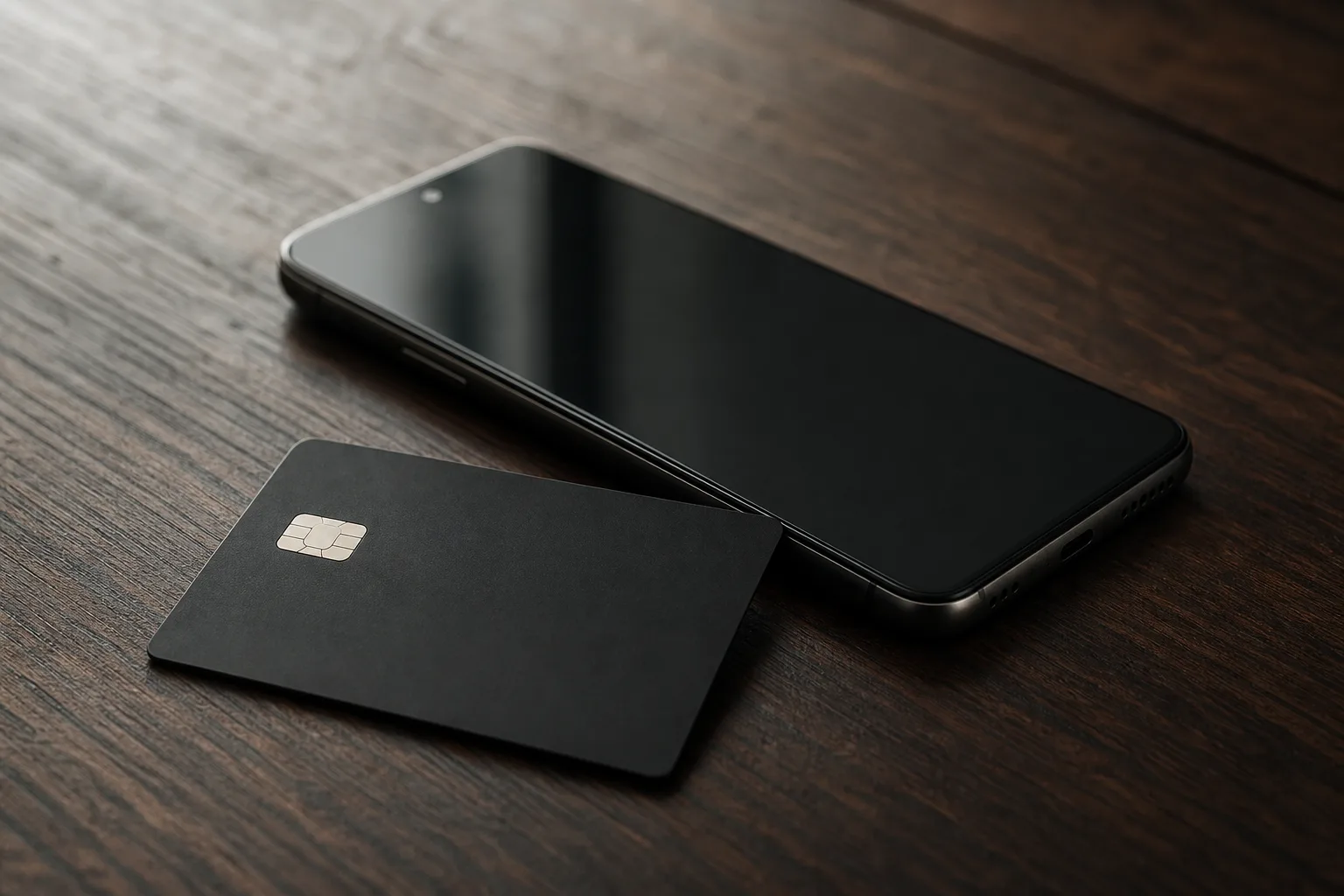
Samsung wants a place in your wallet that goes beyond the phone already in your pocket. The Galaxy Card, a new Barclays-issued Visa arriving ahead of Samsung’s next Unpacked event, offers a straightforward hook: up to 5% cash back when shoppers buy eligible products directly from Samsung. That is a meaningful return on an expensive foldable or flagship phone. It is also a very familiar bit of ecosystem strategy.
For Samsung, a credit card is less about becoming a bank than making the next Galaxy purchase feel a little easier to justify. Apple has already shown how a card can reinforce a hardware-and-services loop, even if the Apple Card’s consumer banking story became more complicated than Cupertino first imagined. Samsung is taking a more cautious route: Barclays handles the issuing, Visa supplies the network, and Samsung gets a new reason to keep buyers shopping in its own storefront.
- The Galaxy Card offers up to 5% cash back on eligible direct Samsung purchases, making hardware upgrades its clearest selling point.
- Samsung’s Galaxy Card is issued by Barclays on Visa and adds 3% rewards for purchases made through Samsung Wallet.
- Streaming subscriptions earn 2% back, while all other eligible spending receives a standard 1% cash-back rate.
- A 20% Samsung VIP Advantage discount could matter for frequent Samsung buyers, though the membership’s value depends on individual upgrade habits.
Table of Contents
Galaxy Card rewards put Samsung purchases first
The rewards table makes Samsung’s priorities pretty clear. The Galaxy Card pays 5% cash back on eligible purchases made directly with Samsung, 3% back on purchases made through Samsung Wallet, 2% on selected streaming services including Netflix, Disney+ and Spotify, and 1% on other purchases.
That top rate is the headline, and frankly it should be. A 5% return on a foldable can add up, assuming the purchase qualifies. It will not turn a Galaxy Z Fold into a budget phone, obviously, but it is enough to influence where an already-committed buyer checks out. Samsung would much rather capture that sale itself than watch a retailer take the margin and the customer relationship.
The important caveat is hiding in the word “eligible.” Card reward programs tend to have exclusions, category definitions and terms that matter much more than the ads suggest. Samsung has published the basic earning rates, but buyers should read the final program agreement before treating the Galaxy Card as a blanket 5% discount on every Samsung-related transaction. Carrier purchases, financing arrangements, taxes, accessories and third-party marketplace items can all be handled differently in card programs.
The pecking order is logical. Samsung pays the richest reward where it controls the transaction, offers a respectable nudge toward its wallet software, and provides a small bonus for recurring entertainment bills. Everything else gets the industry-standard 1%, which means this is unlikely to become the default card for someone optimizing every category of household spending.
A metal card is nice, but Samsung Wallet is the real point
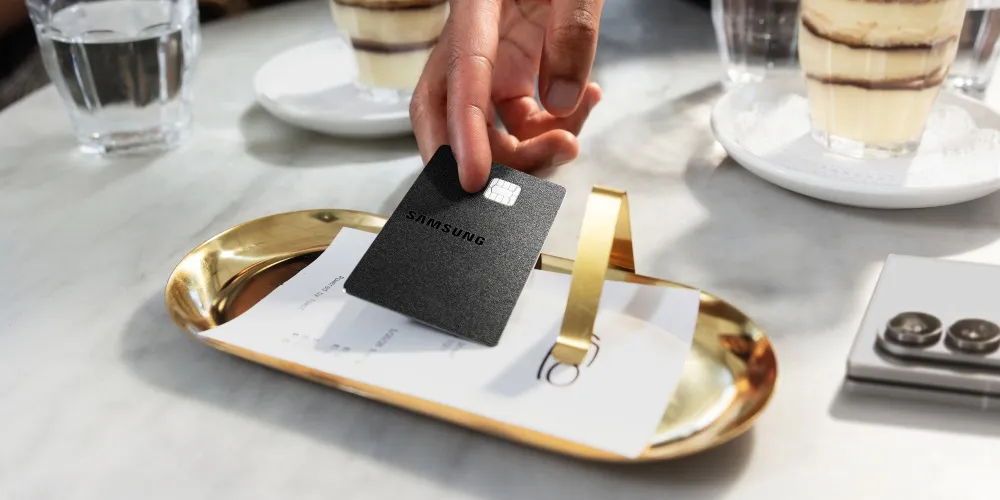
The physical Galaxy Card will be metal with a matte-black finish and Samsung branding on the front. That is pleasant enough, though metal cards have become the financial equivalent of premium packaging: nice to hold, quickly forgotten. The more consequential part is Samsung Wallet integration.
Samsung says cardholders will be able to keep the card alongside payment cards, IDs, passes and digital keys in Samsung Wallet, backed by the company’s Knox security platform. In its Samsung Wallet materials, the company positions the app as a hub for payments and digital credentials rather than merely a tap-to-pay tool. The Galaxy Card fits neatly into that broader ambition.
What Samsung has not yet explained is whether this integration offers anything that a standard linked Visa cannot. The announcement emphasizes convenience and security, both fair points, but does not spell out unique in-app controls, instant reward tracking, financing tools or deeper device benefits. Those details matter. Plenty of people already have a card in a mobile wallet; simply being present there is table stakes in 2026.
My read is that Samsung is laying groundwork rather than unveiling a fully formed financial platform. If the company later adds richer purchase histories, repair coverage management, trade-in offers or timely upgrade incentives inside Samsung Wallet, the card could become a useful loyalty instrument. If it remains a black metal Visa with a few bonus categories, it will be a niche product for the most dedicated Samsung shoppers.
Samsung VIP Advantage adds another layer to the pitch
Cardholders also receive 20% off Samsung VIP Advantage, the annual membership program that bundles Samsung Care+ coverage, enhanced Samsung.com rewards, early access and other perks. The discount is sensible cross-selling. Samsung is effectively asking customers to combine a payment product, a protection plan and a purchase channel into one recurring relationship.
Whether that is attractive depends heavily on how someone buys technology. Annual upgraders who purchase phones, tablets, watches and earbuds directly from Samsung may find the math compelling, especially if they already pay for care coverage. A person who buys a phone every three or four years, prefers carrier deals, or finds better prices at Amazon and Best Buy should be more skeptical. Rewards are only savings when they do not persuade you to spend more than you otherwise would.
Why Samsung is entering a crowded card market now
The card makes sense as part of a larger shift in hardware. Companies increasingly want the recurring revenue and customer data that surround a device sale. Subscriptions, insurance, trade-ins and financing all soften the boom-and-bust cycle of convincing people to replace perfectly functional hardware. A branded card can make that loop stickier, provided the rewards are good enough to alter behavior.
Samsung has an advantage that many would-be card brands do not: an enormous installed base across phones, TVs, appliances, laptops and wearables. It can offer plenty of things to buy. But that breadth also creates the test. The Galaxy Card needs to feel useful between phone launches, not merely like a coupon for an Unpacked-week preorder.
Applications open July 22, with Barclays issuing the card and Visa operating the payment network. The full terms will matter, particularly around reward caps and redemption mechanics. Samsung has built a credible first offer for loyal customers. The harder job is making people care after the launch-day glow fades.