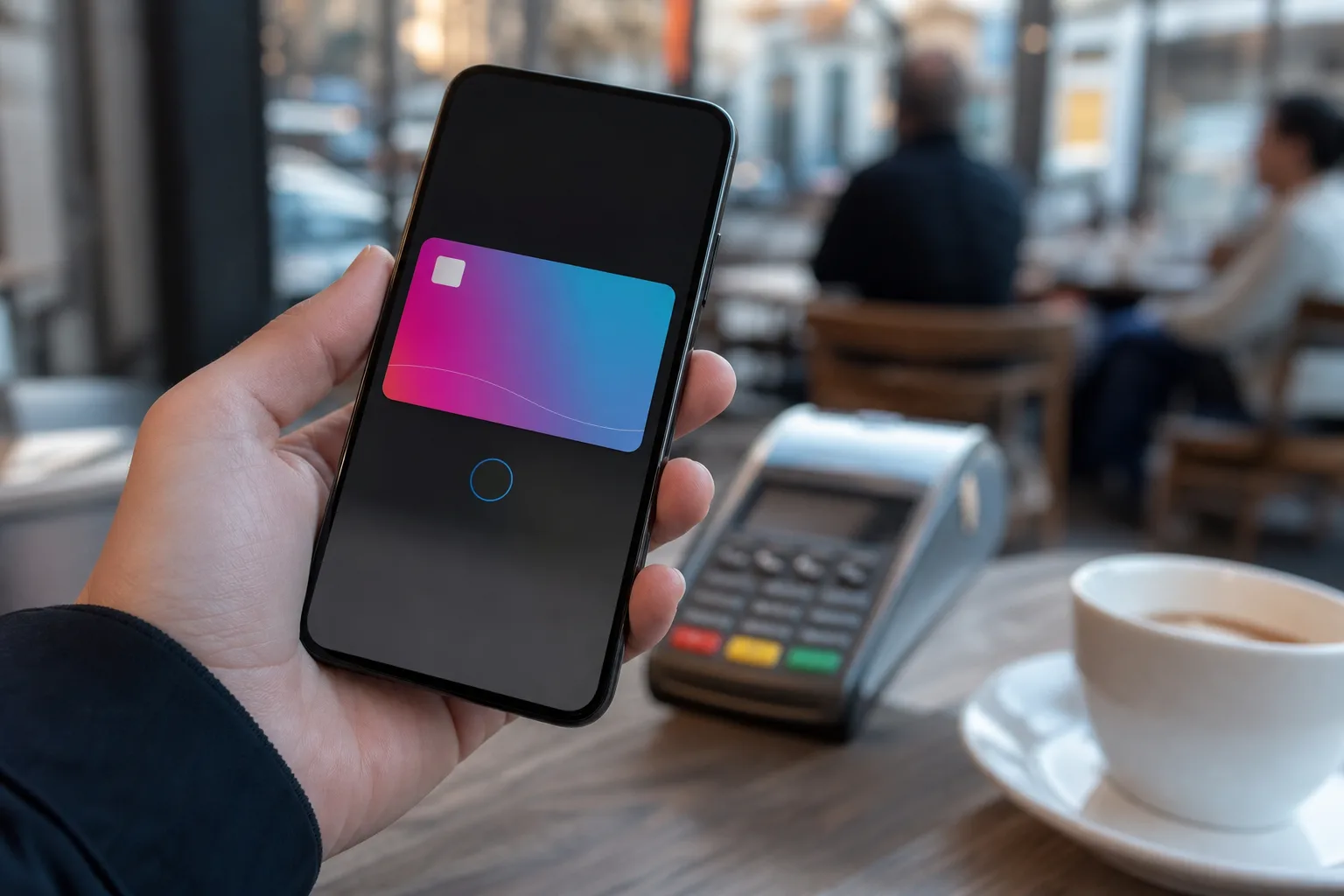
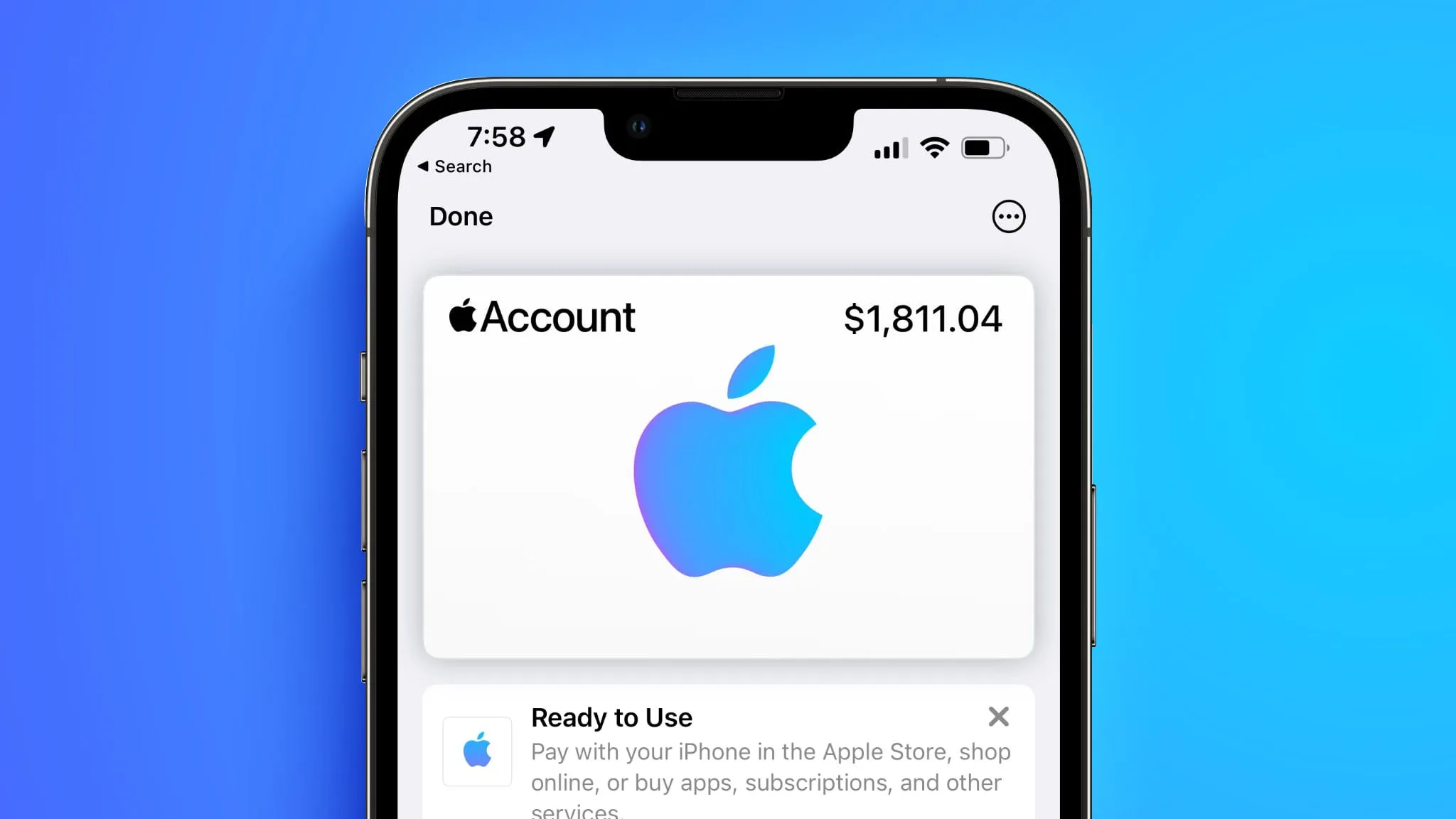
- Apple Account Card support is now rolling out to iPhone users in Estonia, Latvia, Lithuania, and Malta through Apple Wallet.
- The Apple Account Card shows a user’s Apple balance and provides a quick route to spending it across Apple’s services.
- Four smaller European markets now have Apple’s account-credit feature, after often waiting longer than larger markets for Wallet additions.
- Apple still has work to do if it wants Wallet to feel equally useful across every market where it sells iPhones.
Table of Contents
Apple Account Card lands in four more markets
Apple is making a small but sensible Wallet expansion in Europe. The Apple Account Card is now available in Estonia, Latvia, Lithuania, and Malta, giving customers in those countries a dedicated Wallet pass that displays the balance tied to their Apple account.
That may sound like a fussy bit of digital housekeeping, and honestly, it is. But it addresses a familiar annoyance for anyone who has redeemed an Apple Gift Card, received store credit, or keeps money parked in an Apple account: knowing the balance exists is one thing; finding it when you are about to pay for iCloud+, an app, or a new pair of AirPods is another.
The card can be used for purchases from Apple, including transactions in the Apple Store and Apple’s online shop, as well as apps, subscriptions, and other services billed through an Apple account. Apple began introducing the feature in 2022 and has expanded it country by country rather than treating it as a worldwide Wallet launch.
Estonia, Latvia, Lithuania, and Malta are not Apple’s largest commercial territories. That is precisely why this rollout is welcome. Feature parity has long been one of the less glamorous frustrations of owning an iPhone outside the biggest US, UK, and Western European markets. Apple hardware arrives on day one almost everywhere; software conveniences can take their time.
Why the Apple Account Card is more useful than it sounds
The Apple Account Card turns account credit into something visible and reasonably immediate. Instead of digging through purchase history, App Store settings, or an email receipt to check what remains, users can keep the balance alongside payment cards, boarding passes, and loyalty cards in Apple Wallet.
It also clarifies the difference between an Apple account balance and a normal debit or credit card. This is not Apple Pay, and it does not suddenly allow consumers to spend Apple credit at a supermarket or their local café. The money remains inside Apple’s commercial universe. Think of it less like a bank account and more like store credit that has finally been given a proper label on the front of the filing cabinet.
That limitation matters. Apple Wallet has become a crowded control panel for payments, tickets, keys, IDs, and transit passes, depending on where you live. The Apple Account Card is a narrower tool, but it fits the broader direction: Apple wants its users to reach for Wallet first when they need to prove, pay, enter, or check something.
For a customer paying monthly for Apple Music, extra iCloud storage, Apple TV+, or apps, the benefit is mostly friction reduction. It will not transform how anyone uses an iPhone. Yet these are the improvements that stop a platform from feeling like a collection of separate storefronts.
A tidy answer to Apple’s fragmented credit system
Apple has spent years trying to simplify the odd collection of credits and gift cards attached to its ecosystem. Older Apple users may remember when iTunes gift cards, App Store balances, and Apple Store gift cards felt like cousins who did not speak to each other. The company’s move toward a unified Apple account balance was the bigger repair; the Apple Account Card is the visible, day-to-day layer of that effort.
That history explains why the feature is better than a cosmetic Wallet addition. Apple sells hardware, digital content, subscriptions, accessories, repairs, and storage. A single balance that can travel across those categories reduces confusion at the point where confusion is most expensive: checkout.
Apple has not positioned the card as a replacement for its payments strategy, and it should not. Apple Pay’s value comes from accepting a customer’s existing bank cards at millions of merchants. Account credit has value only within Apple’s walls. Still, surfacing it in the same app makes practical sense, especially for people who receive Apple gift cards during holidays or as workplace rewards.
Users in the newly supported countries may need to update iOS and look for the option in Wallet if it does not appear immediately. Rollouts of this sort can also depend on the account’s country or region settings, so a phone purchased abroad is not necessarily the deciding factor. Apple’s own Wallet overview offers the company’s broader view of what the app supports, though availability still varies widely by market.
The regional rollout is the real story
The arrival of the Apple Account Card in the Baltic states and Malta will not move iPhone sales on its own. No one is choosing between Android and iOS over easier access to gift-card credit. But small gaps accumulate. A customer who sees features advertised in Apple keynotes yet cannot use them locally eventually notices the pattern.
My read is that Apple is steadily cleaning up those gaps where the work is mostly software and commercial administration, rather than the tangled regulatory and banking negotiations that can slow Apple Pay, government IDs, or tap-to-pay transit. The card does not require Apple to persuade every local merchant or bank to join a network. It is an internal Apple service, which makes the measured pace a little more puzzling.
For these four countries, this is a modest quality-of-life upgrade. It also exposes the awkward gap in Apple’s regional strategy: Wallet is now central to the iPhone experience, but its most useful features still arrive unevenly. Apple needs to close that gap before customers stop expecting the next feature to reach them at all.