

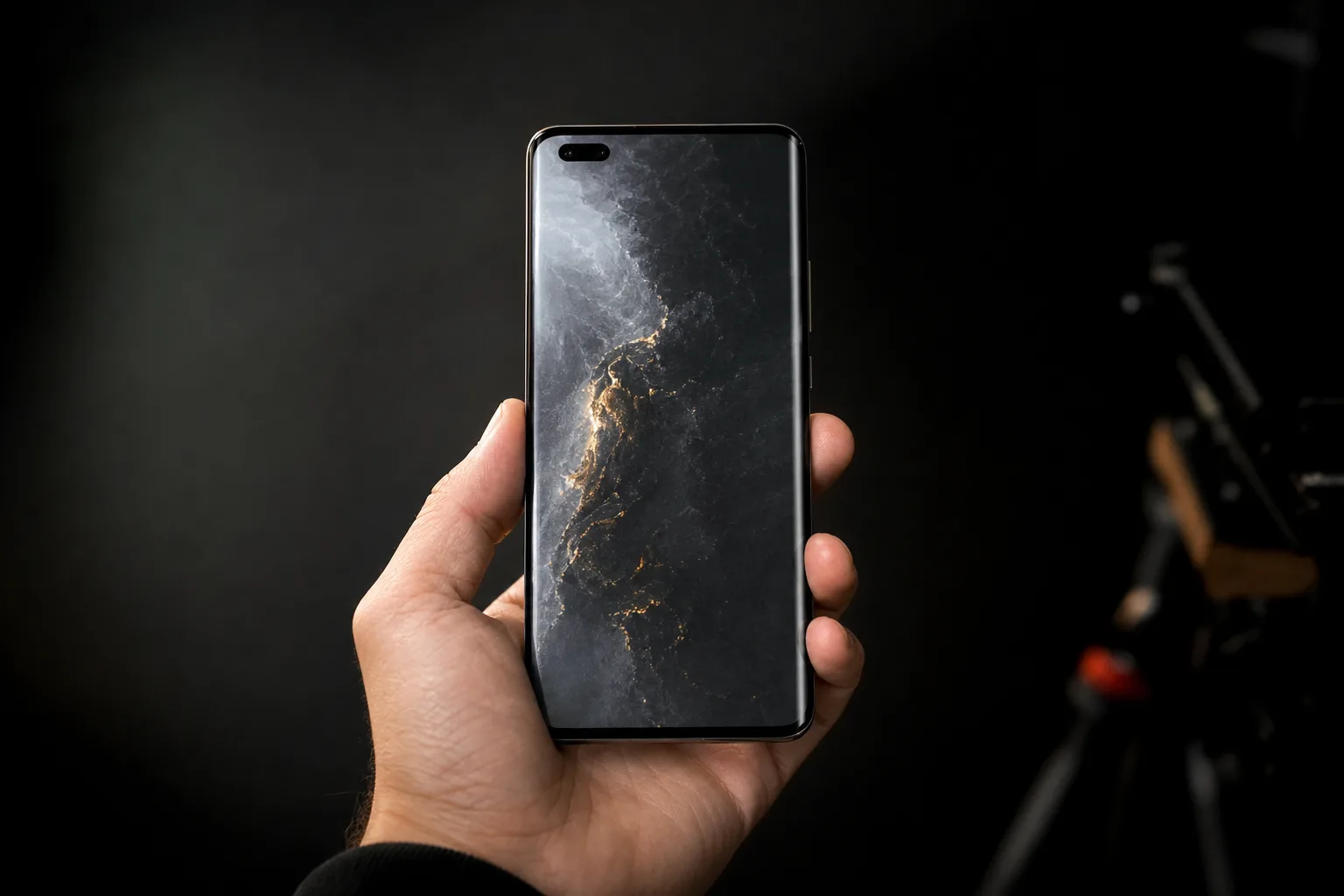
- The iPhone 20 Pro reportedly keeps a display cutout despite Apple’s rumored anniversary-era redesign and curved glass ambitions.
- A Weibo leaker says the iPhone 20 Pro will retain holes for Face ID hardware, likely preserving some version of Dynamic Island.
- Apple may use a quad-curved display to make bezels appear to vanish without taking the risk of a fully hole-free panel.
- The distinction matters because an edge-wrapping screen could change the phone’s look more than another modest Dynamic Island reduction.
Table of Contents
The iPhone 20 Pro may still have a visible front-camera cutout
Apple may be planning its most dramatic handset makeover in years for the iPhone 20 Pro, but the fantasy of an uninterrupted sheet of glass appears to be on hold. A fresh claim from Weibo leaker Digital Chat Station says Apple’s rumored 2027 Pro model will still have display holes for its front-facing hardware, rather than a completely cutout-free screen.
That sounds like a small detail. It isn’t. The entire pitch around Apple’s twentieth iPhone anniversary has been visual: glass that curves around the sides, almost no apparent bezel, and a front face that looks less like a conventional smartphone display and more like a polished black pebble when switched off. If the report is right, there will still be a little island in that pebble.
Digital Chat Station made the comment while discussing Apple’s wider 2027 phone lineup, which is expected to include an iPhone 18e, standard iPhone 18 and a second-generation iPhone Air. When asked directly whether the flagship anniversary model would retain Dynamic Island or go hole-free, the leaker’s answer pointed to holes remaining in the panel.
That does not tell us the exact shape or size of the opening. Apple could shrink the arrangement, relocate some sensors beneath the display, or redesign the software treatment around it. But it does make one thing less likely: the clean, unbroken front panel that rumor-watchers have been projecting onto Apple’s 2027 roadmap for years.
Why the iPhone 20 Pro probably cannot hide Face ID yet
The obstacle is not the selfie camera alone. Apple’s Face ID system depends on an array of components that need to see and project through the front of the phone reliably. Hiding those parts beneath an OLED panel without degrading security, speed or image quality is much harder than putting a fingerprint sensor under glass. Apple has consistently treated Face ID as a core platform technology, not a feature it will compromise for a prettier spec sheet.
Apple’s official iPhone support pages cover the basics. An under-display implementation would face a high bar. A hazy selfie camera is annoying; an authentication system that works inconsistently in sunlight, at an angle or after a screen protector is fitted would be a genuine product problem.
Frankly, Apple has earned the right to be cautious here. The company took a lot of flak when Apple introduced the notch, then spent years reducing its visual footprint before moving to Dynamic Island. Dynamic Island was an unusually Apple-like solution: turn an unavoidable hardware concession into an animated software feature, then make rivals look as if they were merely cutting holes in screens.
The iPhone 20 Pro could follow that same logic. Rather than erase the cutout altogether, Apple may make it less conspicuous against a more ambitious display shape, then use iOS to ensure it remains useful. Whether that still feels fresh by 2027 is another question. Dynamic Island has aged reasonably well, but it is no longer a novelty.
A wraparound display could be the bigger visual change
The more intriguing element of this rumor is the supposed quad-curved display. The phrase suggests glass that bends around all four sides, creating the impression that the screen flows into the frame. Think less of Samsung’s old Edge panels, with their obvious waterfall slopes, and more of a display designed to blur the line between screen, bezel and chassis.
That could let Apple make the iPhone 20 Pro look nearly bezel-free even with a Dynamic Island present. The eye is generally drawn to borders before it notices a centered cutout; eliminate the borders and the remaining interruption can seem smaller by comparison. It is industrial design sleight of hand, but good industrial design often is.
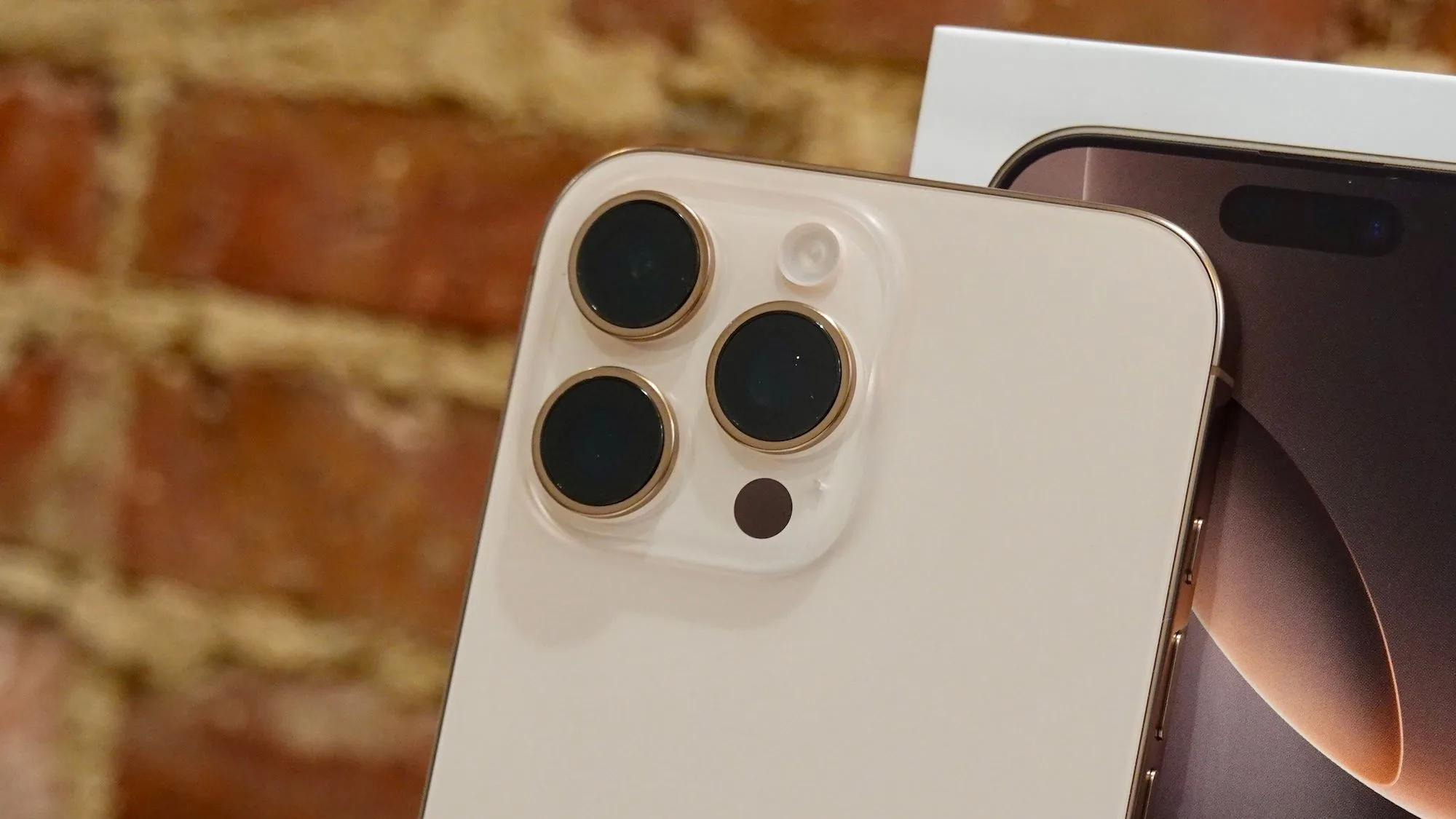
Curved glass brings practical risks: accidental touches, awkward reflections and expensive repair bills. Anyone who has lived with a curved-screen Android phone knows the trade-off: it looks gorgeous on a showroom table and occasionally irritating in a pocket. Apple will need to avoid repeating that era’s mistakes, especially since iPhones have increasingly emphasized flat sides, durable materials and cases that fit without fuss.
My read is that Apple would not bring back pronounced edge curvature simply to make a beauty-pageant phone. If this design arrives, the curve will likely be subtle, serving a bezel-reduction strategy rather than adding touch controls along the edge. Apple is very good at waiting until an idea has been worn down by competitors, then reintroducing a cleaner version of it.
Anniversary timing makes the rumor plausible
The iPhone’s twentieth anniversary makes 2027 a natural moment for Apple to stage a major design reset. The company has used anniversaries and transition years to make symbolic moves before.
A redesigned iPhone 20 Pro in 2027 would fit that pattern. Apple could use the anniversary to push toward an all-screen future while stopping short of technology that is not ready for mass production. That is less romantic than the rumor of invisible cameras and sensors, but it is also how Apple tends to operate: ship the version that works at scale, then claim the future later.
One wrinkle remains. The current report uses the name iPhone 20 Pro, but Apple’s naming plans remain unknown. It could call the device iPhone 19 Pro if annual numbering continues, skip ahead to match the anniversary, or invent another label entirely. Apple has never been shy about treating numbering as marketing rather than mathematics.
Don’t mistake a remaining cutout for a failed redesign
For buyers, Dynamic Island’s survival is not the only thing to watch on the rumored iPhone 20 Pro. A smaller or altered cutout may disappoint people who want that pristine all-glass slab, but a radically reduced bezel, improved cameras, thinner construction and a better display could matter far more in daily use.
Patience may be the wiser response. A hole-free iPhone will eventually happen if Apple can conceal Face ID and a camera without sacrificing the experience. But Apple’s long history says it will arrive late, at a premium, and only after the company believes the compromises are invisible. The twentieth-anniversary iPhone may be the bridge to that moment, not the finish line.
If these reports hold, Apple’s next big design statement will have a small dark interruption right in the middle of it. The real test is whether the rest of the phone makes you stop noticing.