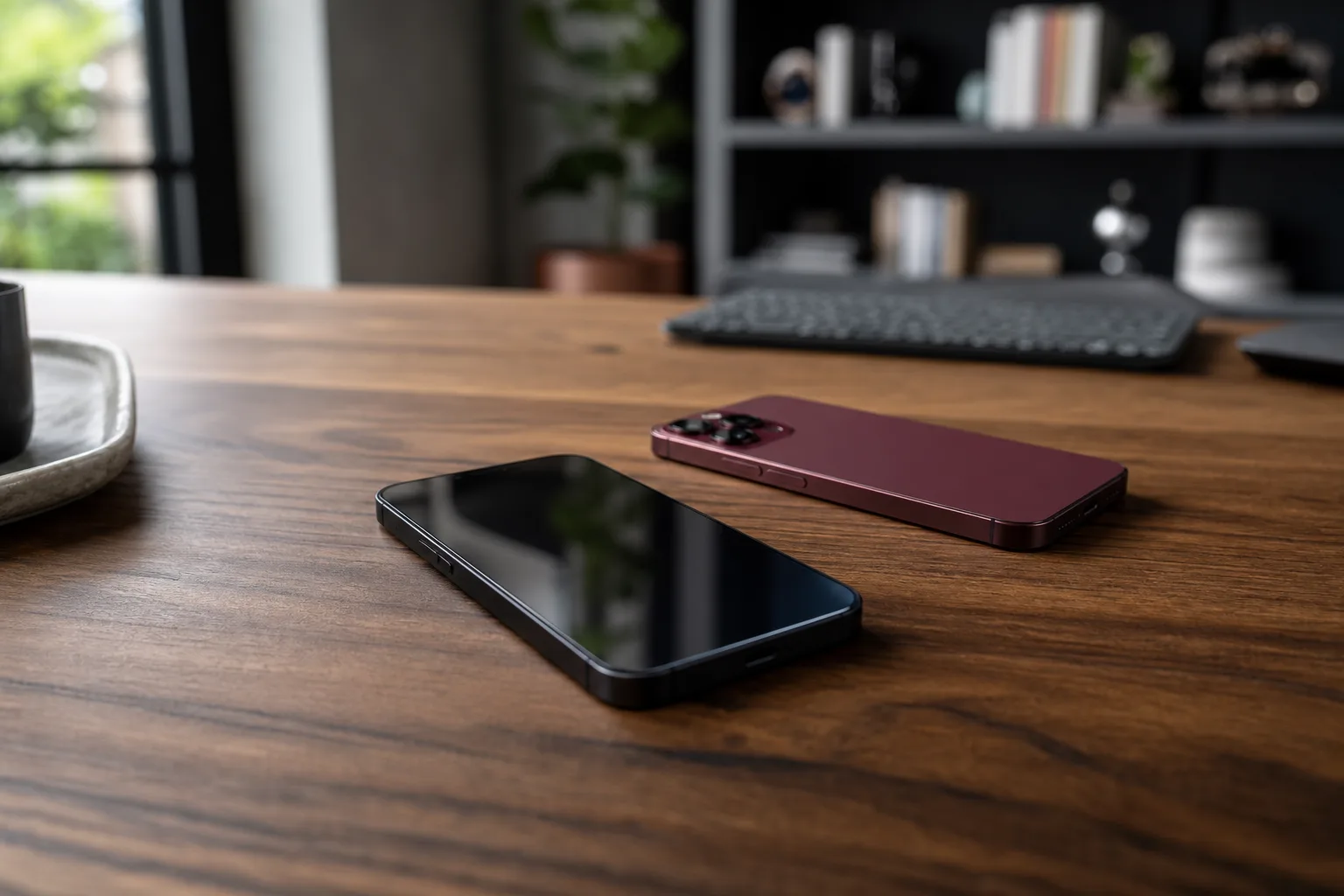
- Reported iPhone 18 Pro component reductions of at least 15% pushed Apple shares down more than 2.5% in early trading.
- The iPhone 18 Pro reportedly faced weaker demand after a $100 price rise collided with higher memory component costs.
- A production adjustment does not prove a failed launch, but it puts Apple’s premium pricing strategy under sharper scrutiny.
- Investors will now watch holiday sell-through, carrier promotions, and Apple’s next earnings commentary for clearer demand signals.
Table of Contents
iPhone 18 Pro order cuts put a premium-price bet under pressure
Apple can usually count on its Pro iPhones to do the heavy lifting. That is why the reported iPhone 18 Pro order cuts matter more than a routine supply-chain adjustment. Nikkei Asia reports that Apple reduced October component orders by at least 15% after demand came in below expectations, and investors responded quickly: Apple shares fell more than 2.5% in early trading.
The immediate explanation is straightforward. Higher memory costs reportedly helped push the iPhone 18 Pro price up by $100, a combination that appears to have tested buyers’ willingness to pay. Apple has spent years training customers to see the Pro tier as the aspirational model: the better camera, the premium materials, the status signal. But even Apple eventually reaches the point where a price hike stops feeling like a trade-up and starts feeling like a question.
That question is particularly awkward in a smartphone market where people are already holding onto their devices longer. A customer with an iPhone 16 Pro or iPhone 17 Pro may not see enough practical benefit in a newer handset to justify another jump in monthly financing costs. The annual upgrade cycle has become less like replacing a worn-out pair of shoes and more like replacing a perfectly competent laptop: plenty of people can wait.
What Apple’s supply adjustment actually tells us
Supply-chain reports deserve a little skepticism. Apple constantly adjusts orders as it learns which colors, storage tiers, regions, and models are selling. A 15% reduction in a particular month does not automatically mean the entire iPhone lineup is in trouble, nor does it establish final sales figures. Component orders are an early read, not a quarterly earnings report.
Still, the reported scale of the iPhone 18 Pro adjustment is hard to dismiss as background noise. Apple’s procurement operation is famously disciplined. It works across a vast network of suppliers and tries to match production to demand with almost unnerving precision. When that machine pulls back, it generally means the company has received enough sales data to prefer a smaller inventory risk.
There is an important distinction here. Apple could be seeing a weak overall iPhone cycle, or it could be seeing buyers shift toward cheaper standard models, older discounted devices, or even competing Android flagships. Those outcomes look very different for Apple’s revenue mix. The Pro models matter because they carry higher average selling prices and, typically, healthier margins. Selling fewer premium phones can sting even if unit volume remains respectable.
My read is that the $100 increase is the central issue until Apple proves otherwise. Consumers have accepted expensive smartphones for years, but they do not accept every increase with a shrug. Higher storage prices and component bills may explain Apple’s decision internally; they do not make the checkout screen easier for a buyer staring at a four-figure phone.
Apple’s own iPhone lineup has long relied on clear tiering, with standard models pulling in the mass market and Pro models harvesting the most enthusiastic upgraders. The danger is that the gap between those groups becomes too wide. Premium buyers are loyal, but they are not infinitely elastic.

Higher memory costs are becoming a consumer problem
Memory pricing is one of the less glamorous forces shaping consumer hardware, yet it can make a very visible difference at launch. When DRAM and NAND costs rise, phone makers have three basic choices: absorb the hit, cut costs elsewhere, or pass some of it along. Apple reportedly chose at least some of the third option with the iPhone 18 Pro.
That is a rational decision on a spreadsheet. It may be less rational in a market where handset makers are trying to convince customers that on-device AI features, cameras, and marginal design refinements justify upgrading every year. Apple is not alone here. Samsung, Google, and Chinese smartphone vendors all face expensive components and a mature market. But Apple’s pricing attracts more attention because its Pro devices have become the industry’s benchmark for how far premium-phone pricing can go.
There is also a psychological threshold at work. A $100 increase does not sound catastrophic next to the full price of a flagship phone. In practice, it can change the purchase calculation dramatically. It can push a buyer into a longer carrier installment plan, make last year’s model look more attractive, or prompt them to simply replace a battery and wait. None of those choices help near-term demand for a newly launched iPhone 18 Pro.
The next signals matter more than the market’s first reaction
Wall Street dislikes ambiguity, so a 2.5% move on a supply-chain report is hardly unusual. But one trading session is not the story. The useful signals will arrive over the next several weeks: carrier promotion intensity, reported delivery estimates, retail availability, and eventually Apple’s commentary around iPhone revenue and demand. If the company leans heavily on financing deals or trade-in offers, that would suggest it is working to overcome more than normal launch friction.
Apple may also have room to redirect production toward configurations or regions that are selling better. That flexibility is one reason a component-order cut should not be treated as a verdict on the product. The company has managed supply swings before, and it has the balance sheet to absorb a rough patch that would destabilize a smaller manufacturer.
But the iPhone 18 Pro report exposes a harder strategic problem. Apple has been able to raise the ceiling on flagship pricing because each generation offered enough tangible appeal to keep its best customers moving upward. If memory inflation forces repeated price increases while upgrades feel incremental, that formula starts to lose its magic. The real test is not whether Apple can sell expensive phones. It is whether the next million buyers still think this particular expensive phone is worth replacing the one in their pocket.