


The Nvidia board investigation reaches well beyond the intensely personal allegations surrounding Jensen Huang. It places the chief executive of America’s most strategically important AI chip company at the crossroads of corporate governance, export controls, and an increasingly aggressive intelligence contest with China. That is a punishing position for any CEO.
Nvidia said Sunday that independent directors, supported by outside legal counsel, will review information related to reports that Huang was the target of a foreign intelligence effort. The company stressed that it has no reason at present to think national security or Nvidia’s confidential material was compromised. It also said the board retains confidence in Huang and his leadership team.
The wording is deliberate. It neither dismisses the affair nor declares that a breach occurred. It says the board is treating the allegation as a serious risk question — exactly what it should do when the company involved sits at the center of the global AI hardware race. The Nvidia board investigation will need to determine whether that risk was managed appropriately.
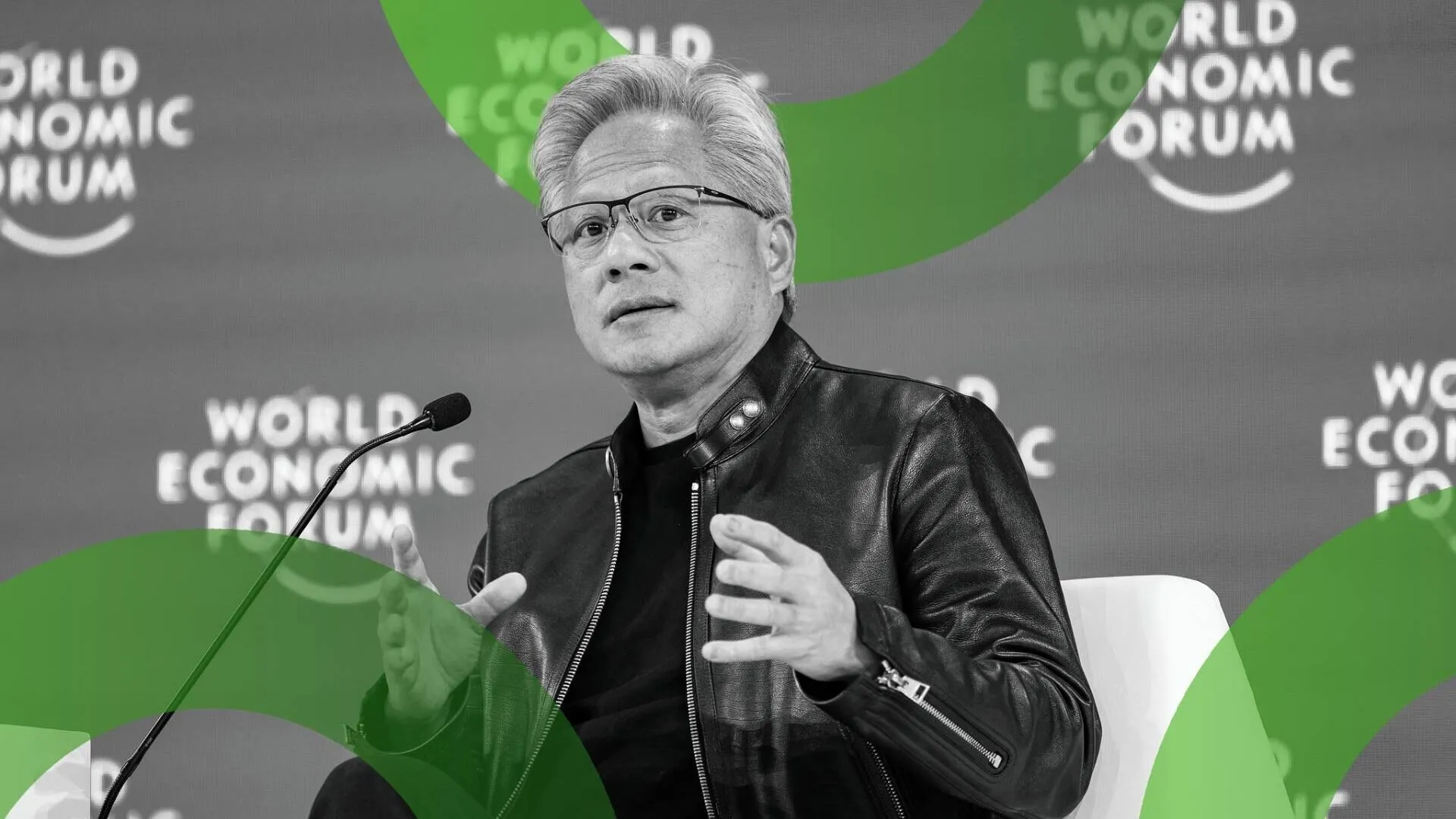
- The Nvidia board investigation will examine reports that CEO Jensen Huang may have been targeted by a Chinese intelligence operation.
- Nvidia says its board has no reason so far to believe company secrets or national security were compromised.
- Reports link the episode to Megaspeed, a Singapore-based Nvidia customer facing scrutiny over alleged AI chip export-control evasion.
- Congressional interest could turn a private corporate matter into a broader test of oversight around America’s most strategically important chipmaker.
Table of Contents
Why the Nvidia board investigation cannot stay private
The initial reports make for uncomfortable reading. The Financial Times, citing people familiar with a US government memo, reported that intelligence assessments alleged Huang had a romantic relationship with Alice Huang, an executive at Singapore-based Nvidia customer Megaspeed. US intelligence reportedly believes she was recruited by China’s Ministry of State Security. The New York Times previously reported similar allegations, including that surveillance had identified a close relationship between the two.
Alice Huang has not publicly responded to those reports. China’s embassy in Washington called the allegations “groundless smears and slanders.” Megaspeed has said it retained outside counsel for its own internal inquiry. Those distinctions matter: the press reports describe intelligence assessments and allegations, not criminal findings in court. The Nvidia board investigation should preserve that distinction as it assesses the company’s exposure.
Huang, meanwhile, reportedly told Nvidia employees that he had been unfaithful to his wife. “There is no excuse for what I did,” he wrote, according to CNBC. He also said he would cooperate fully with the board’s review and remained committed to protecting Nvidia and supporting US national security.
Frankly, a normal corporate scandal and a potential counterintelligence exposure are different worlds. Boards deal with executive conduct all the time. But when a CEO has access to product road maps, customer plans, supply-chain intelligence and high-level government relationships, the question is whether someone could have extracted useful information or gained influence. Even ordinary business details can be revealing when combined with other data.
Megaspeed and the AI chip export-control problem
The Nvidia board investigation arrives while Washington is already worried about how advanced AI systems reach Chinese companies through overseas intermediaries. The Times reported that US officials suspected Megaspeed of helping Chinese firms bypass restrictions on advanced AI chips, and that a Commerce Department matter was referred to the Justice Department. The newspaper also cited trade records showing a Malaysian sister company acquired at least $4.8 billion in AI equipment containing Nvidia chips between June 2024 and February 2026.
Nvidia told the Times that Huang’s dealings with the executive were “not unusual or unexpected” and that customers receive ordinary business information. That may be true. Major chip vendors naturally maintain deep customer relationships; you do not sell data-center infrastructure at this scale through a checkout cart and a support ticket. The Nvidia board investigation will have to test whether those dealings remained within ordinary customer engagement.
Still, the optics are poisonous. Nvidia has spent years trying to comply with US rules while maintaining access to lawful overseas business. Its most advanced accelerators have become a policy battlefield because training frontier AI models requires enormous amounts of compute, and Nvidia remains the dominant supplier. A customer that becomes an alleged export-control conduit is already a serious headache. Connecting that customer to the CEO through alleged intelligence activity makes the problem much harder to contain.
The company has repeatedly described compliance as a priority. Its corporate governance materials lay out board oversight and ethics policies, but a written policy is the easy part. The hard part is showing investors, regulators and government customers that the controls work when personal relationships create a potential blind spot.

What directors need to establish
A credible Nvidia board investigation should stay narrow where the facts are narrow and broaden wherever the company’s exposure demands it. Directors will presumably want to establish what access Huang had to sensitive information, whether any conversations or meetings deviated from normal customer engagement, what internal reporting occurred, and whether Nvidia’s security protocols flagged anything that should have received attention earlier.
They will also need to examine the process. Were relevant disclosures made to the board? Did Nvidia’s legal, security and compliance teams receive enough information to evaluate possible conflicts? And, perhaps most awkwardly, were safeguards calibrated for the reality that its CEO is now one of the world’s most valuable corporate targets? The Nvidia board investigation should answer those questions with a record that can withstand outside scrutiny.
That last point is easy to miss. Jensen Huang is not simply another Silicon Valley executive. Nvidia’s market power, GPU road map and supply allocations can move markets, shape AI startups and influence national industrial policy. A chief executive in that position needs the kind of operational security normally associated with senior government officials and defense-industry leaders. If that sounds excessive, remember that Nvidia’s chips have become central to the US effort to limit China’s access to top-tier AI compute.
The board has said Huang will continue as CEO without interruption. That is understandable: abruptly sidelining the person most associated with Nvidia’s execution machine could cause its own damage. But continuity cannot replace independence. Investors should expect more than a brief assurance once the review is complete. They deserve a meaningful account of the scope, findings and corrective steps, subject to genuine security constraints.
Congress will see a bigger issue than one executive
The Nvidia board investigation has already drawn attention on Capitol Hill. The Financial Times reported that Republican lawmakers sought a private appearance from Huang before House committees focused on China, foreign affairs and intelligence. Senator Chris Coons said on social media that Congress would investigate and get answers. The Nvidia board investigation may therefore face pressure to establish facts quickly without compromising a legitimate independent review.
That response was inevitable. China policy has become one of the few reliably bipartisan arenas in Washington, and advanced chips are its pressure point. Lawmakers will not view this solely as a question of private conduct. They will ask whether export controls are enforceable, whether resellers are being properly screened, and whether companies holding sensitive technology are equipped to recognize influence operations.
There is a danger here, too. Congressional scrutiny can quickly become theater, especially when an internationally famous CEO is involved. The useful outcome would be a sharper understanding of where the export-control system breaks down in practice. The unhelpful outcome would be a spectacle that generates headlines while leaving the real intermediary networks untouched.
My read is that Nvidia’s biggest challenge is trust, not one bad trading day. Shares reportedly fell in premarket trading after the news, but markets can price a volatile headline in hours. Reassuring governments, hyperscale customers and partners that Nvidia’s internal safeguards match its geopolitical importance will take longer. If the board’s inquiry is genuinely independent and transparent about what it can disclose, Huang may weather this. If it looks like corporate damage control, every future Nvidia-China controversy will arrive with this episode attached.