

Table of Contents
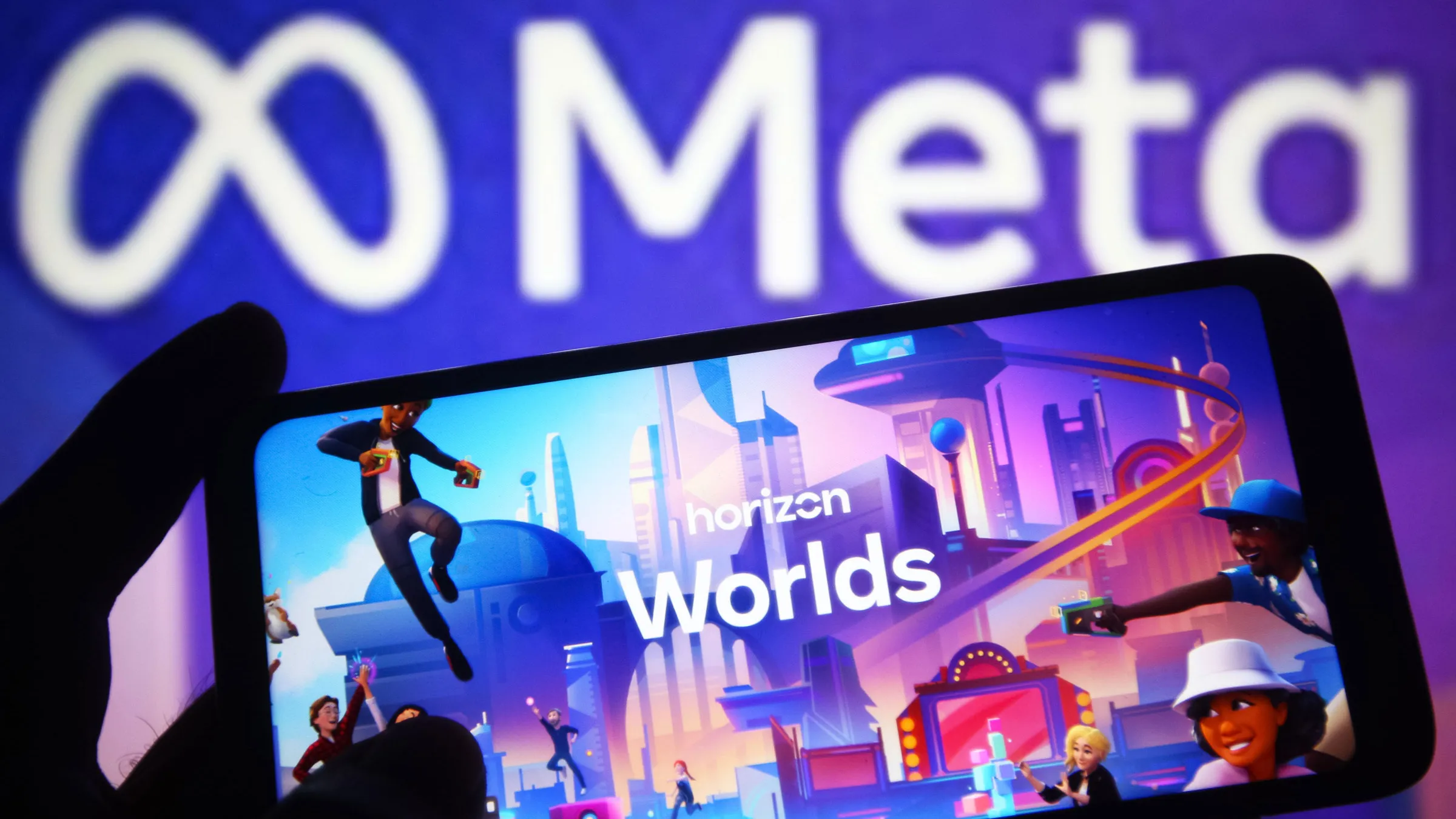
Meta Horizon Worlds shutdown as a clear turning point in how Meta Platforms approaches its long term product strategy. Horizon Worlds, once positioned as a core part of the company’s metaverse vision, will be removed from VR platforms and continue only as a mobile experience. This decision follows years of limited user growth and high operational costs. When Meta rebranded from Facebook in 2021, the metaverse was framed as the next major computing platform. However, user adoption did not match expectations, and Horizon Worlds failed to scale beyond a relatively small active user base.
Weak Adoption and Structural Challenges
The Meta Horizon Worlds shutdown reflects deeper issues within consumer virtual reality. Horizon Worlds launched as a social platform where users could interact through avatars, attend events, and create virtual spaces. Despite these features, the platform struggled to attract sustained engagement. VR hardware requirements limited accessibility, and many users did not find enough value to return regularly.
The introduction of a mobile version in 2023 attempted to solve this problem by lowering entry barriers. This approach mirrored platforms like Roblox, which rely on broad accessibility rather than specialized hardware. However, the shift came too late to reverse user trends. At the same time, Meta’s Reality Labs division continued to report large financial losses, including billions of dollars per quarter. These losses created pressure to reassess investments and prioritize areas with clearer returns.
Shift From Metaverse to AI Focus
The Meta Horizon Worlds shutdown aligns with a broader pivot toward artificial intelligence. Meta has reduced investment in metaverse related teams and restructured Reality Labs to focus more narrowly on developer ecosystems and mobile experiences. This change shows that the company now views AI as a more immediate growth driver than immersive virtual environments.
From a product perspective, separating Horizon Worlds into a mobile only platform allows Meta to test social experiences without the constraints of VR hardware. It also reduces operational complexity and cost. Meanwhile, resources can shift to AI development, where Meta competes directly with other major technology firms investing heavily in large scale models and intelligent systems.
Near Term Outlook for Meta’s Platform Strategy
In the near term, the Meta Horizon Worlds shutdown suggests a more disciplined approach to innovation. The company is likely to continue supporting VR hardware but with a narrower focus on gaming and developer tools rather than large scale social platforms. Mobile experiences will serve as testing grounds for new features that can scale quickly.
From our editorial perspective at SquaredTech.co, this decision highlights an important lesson for the industry. Vision alone does not guarantee adoption. Products must align with user behavior, accessibility, and cost efficiency. Meta’s shift indicates that AI driven services now offer a clearer path to growth than large scale virtual worlds. As a result, future investments will likely prioritize systems that deliver immediate utility, while experimental platforms face stricter evaluation.
Stay Updated: Tech News

