

Table of Contents
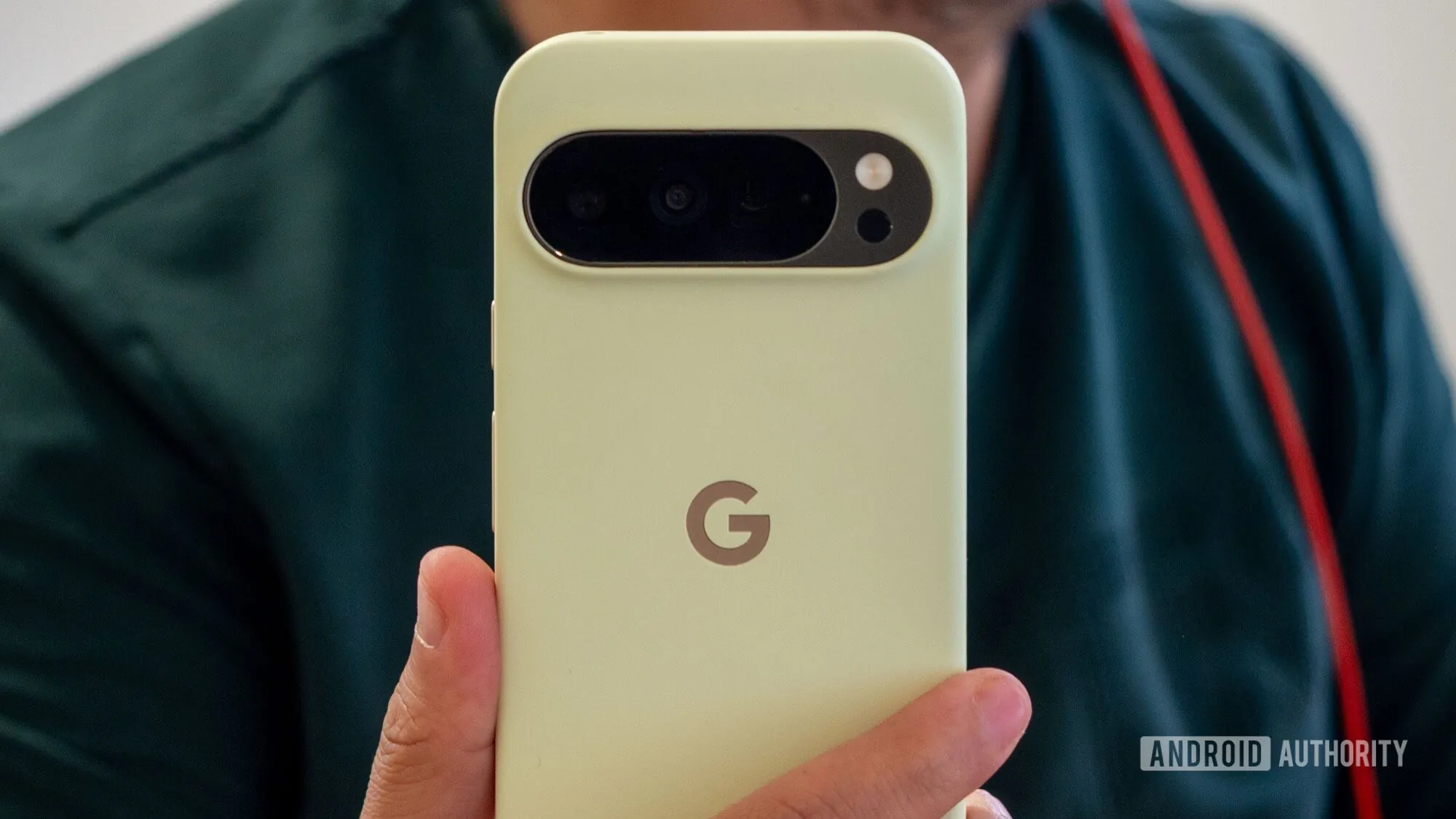
At SquaredTech.co, we see the Pixel Glow feature as an attempt by Google to rethink how users interact with smartphone notifications. Early references in the Android 17 beta suggest that Pixel Glow will use colored lighting on the back of a device to signal activity when the phone is placed face down. This approach builds on existing notification systems but shifts the focus to passive awareness. Instead of checking the screen, users may rely on light patterns to understand incoming alerts. This idea reflects a broader push to reduce screen dependency while keeping users informed in real time.
How Pixel Glow Feature Changes Notification Design
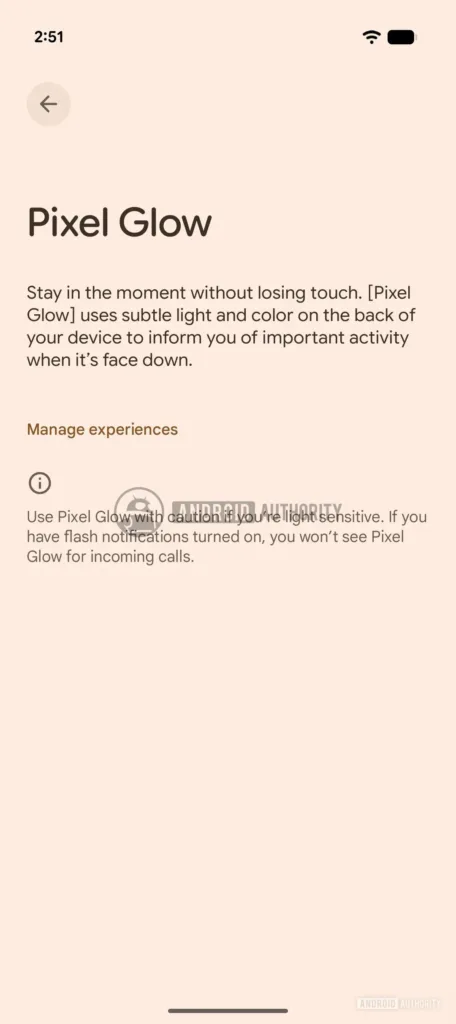
The Pixel Glow feature appears to move beyond current solutions such as flash alerts by introducing more controlled and context aware lighting. Unlike the basic camera flash notification system, Pixel Glow could support different colors or patterns to represent specific types of alerts. This would allow users to distinguish between messages, calls, or app activity without unlocking their device. Early code findings also suggest integration with Gemini, which may enable smarter filtering or prioritization of notifications based on user behavior.
Another key detail is the hardware requirement. References indicate that devices must include dedicated lighting components, which implies that existing Pixel models will not support the feature. This positions Pixel Glow as a potential headline addition for the Pixel 11 lineup rather than a software update. From a product strategy perspective, this creates a clear hardware distinction in a market where visual and functional differences between phones are becoming less noticeable.
Competitive Context and Market Impact
The Pixel Glow feature also places Google in more direct competition with design focused innovations such as the lighting system on Nothing Phone devices. While those phones use external lighting as both a design element and a notification system, Google may take a more restrained approach that focuses on utility over visual identity. This distinction could appeal to users who want subtle cues rather than attention grabbing effects.
At the same time, mainstream competitors like Samsung and Apple have not introduced similar hardware based notification systems in recent models. This gives Google an opportunity to stand out in a mature market. However, the success of Pixel Glow will depend on execution. If the feature adds clarity without distraction, it could influence how other manufacturers rethink notifications.
Outlook for Pixel Glow Feature Adoption
The near term outlook for the Pixel Glow feature depends on how well it integrates into daily use. If users find value in identifying notifications without touching their phone, adoption could be strong. However, if the feature feels unnecessary or limited in function, it may remain a niche addition. The link with AI systems like Gemini could be critical here, as smarter notification handling would give the feature practical relevance rather than novelty.
Pixel Glow signals a shift in smartphone design priorities. Instead of focusing only on display and performance, companies are exploring ambient interaction methods that operate outside the screen. This direction suggests that future devices may rely more on subtle signals and less on constant user attention, with Pixel Glow serving as an early example of that transition.
Stay Updated: Gadgets

