

Table of Contents
The Google Pixel 11 arrives at a time when the competition in premium smartphones has become intense. Brands continue raising camera performance, display brightness, and AI features. In previous years, Google relied heavily on software and computational tricks to deliver standout photos, but the hardware often lagged behind direct rivals. The Pixel 11 corrects this limitation with improved construction, a redesigned camera module, and a new approach to performance.
Google Pixel 11 Overview: A Major Shift in Google’s Flagship Strategy
SquaredTech has covered multiple Google flagship cycles in the past, and the Pixel 11 stands out as the first model in years that feels purposefully engineered rather than incrementally upgraded. The device focuses on stability, camera accuracy, new AI photo tools, and natural color tones. It also includes a revised Tensor chipset meant to handle heavier on-device processing without overheating issues seen in older models.
The Pixel 11 comes in two variants this year: the standard Pixel 11 and the Pixel 11 Pro. Google gives each model distinct differences instead of minor separation. The standard Pixel 11 is built for everyday users who want strong performance without paying Pro-tier prices. The Pixel 11 Pro targets creators who want stronger video tools, better zoom capability, and larger displays.
A New Design for the Google Pixel 11
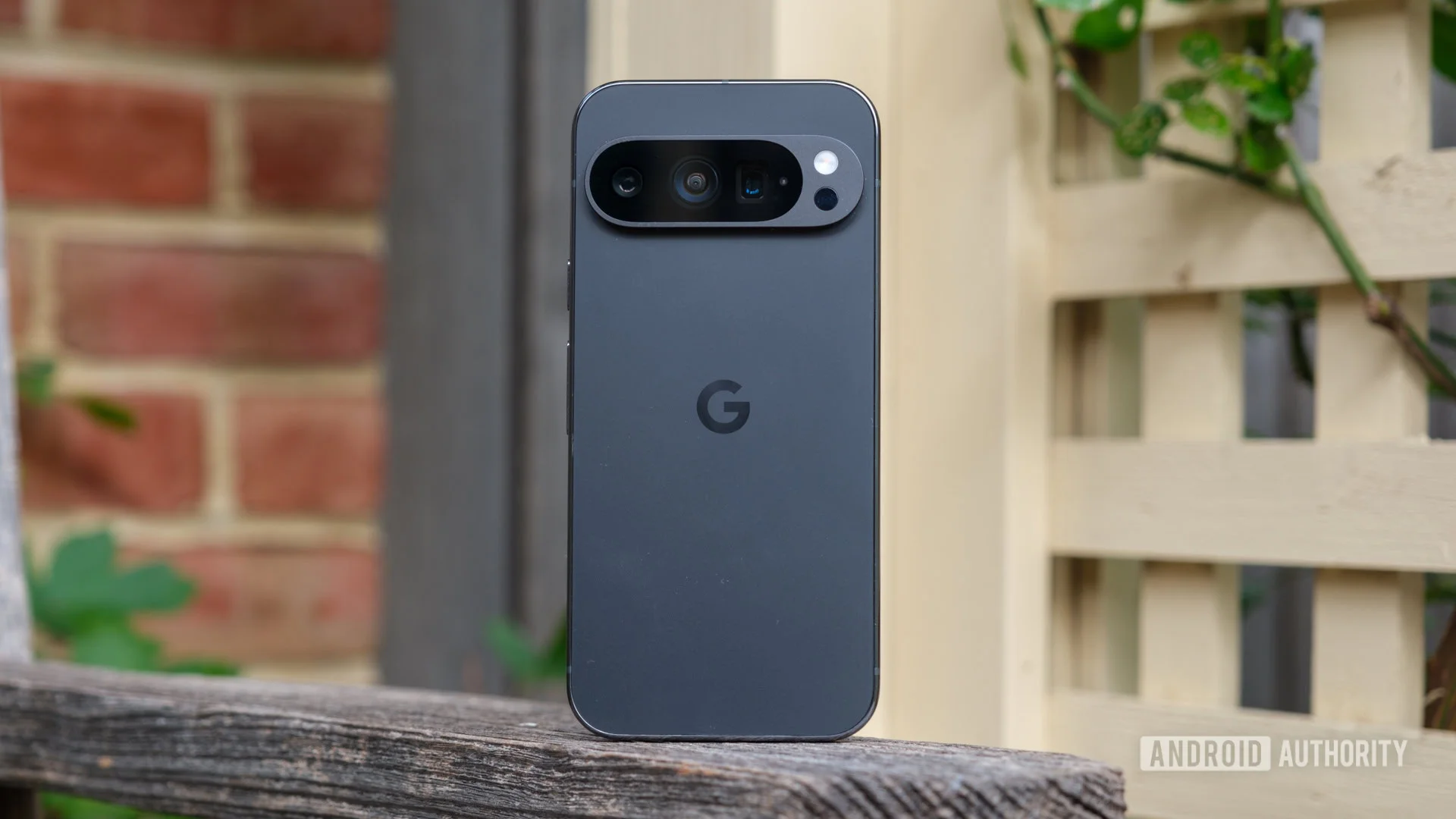
Google finally moves away from the long-running camera visor design used since the Pixel 6. The Pixel 11 replaces the bar with a compact rectangular housing placed neatly in the upper-left corner. This change gives the phone a more modern and refined look. The rear panel feels sturdier, the frame is stronger, and the device has fewer curved edges than previous models.
The standard Pixel 11 features a 6.1-inch display, a comfortable size for users who prefer compact phones with high brightness and smooth scrolling. The bezels are slightly thinner, and the screen gets a noticeable jump in outdoor visibility.
The phone structure also feels more balanced. The previous visor design sometimes caused slight wobbling when placed flat on a table. The new rear camera layout solves that problem by distributing weight evenly. Users who rely heavily on desk work will appreciate this stability.
New Camera System and Major Sensor Upgrade
The Google Pixel 11 camera system receives one of its biggest revamps in years. Google improves the main sensor’s light-capture ability, resulting in brighter nighttime photos with reduced blur. Daytime results have more accurate color rendering, fixing the occasional over-contrast seen in older models.
Highlights of the new main camera:
- Improved low-light exposure
- Faster autofocus in both photo and video modes
- Sharper detail preservation in moving subjects
- Natural skin tones without overprocessing
For people who capture group photos, pets, live sports, or city scenes, the improvement is instantly noticeable. The Pixel 11 focuses more quickly, avoids motion blur, and preserves shadows with better balance.
The ultrawide lens also gets a refresh, offering cleaner edges, less distortion, and more consistent color output. It performs better when switching between the main and ultrawide cameras, making it easier to capture wide landscapes and crowded street shots.
AI Camera Tools Enhanced Further
Google strengthens its AI photography tools, including Real Tone updates, improved face detection in dim environments, and faster HDR processing. The device can now analyze lighting conditions and stabilize tones before the shot is taken. This reduces the lag that some Pixel users experienced in earlier models.
New AI enhancements also appear in video recording. Google improves stabilization, exposure correction, and noise reduction. Video now looks smoother, even in street lighting or indoor settings. Creators who shoot travel footage, short-form content, or daily vlogs will benefit from these updates.
Performance and AI Processing Power
The Google Pixel 11 introduces a new Tensor chipset generation with better heat management, stronger AI throughput, and improved battery efficiency. While it may not compete with the highest-clocked chips used by some rivals, its real advantage lies in optimized on-device AI processing.
Key performance improvements:
- Faster app launch speeds
- Smoother switching between camera lenses
- Better long recording endurance
- Stronger gaming stability
Google fine-tunes the chipset to reduce overheating, allowing users to record 4K video longer without performance drops. The system also schedules workloads more intelligently, preventing unnecessary battery drain.
This approach makes the Pixel 11 a comfortable device for users who engage in day-long messaging, browsing, photography, and streaming.
Battery Life and Charging Experience
Battery optimization sees real progress. The Pixel 11 battery lasts longer than last year’s model because of better system tuning and background task reduction. Users can go through a full day of mixed usage comfortably, including camera use, GPS navigation, messaging, and social apps.
Charging speeds remain similar, though more stable. The device maintains cooler temperatures while charging, improving battery health. Google also strengthens intelligent battery learning, where the system adjusts based on charging habits to reduce long-term wear.
Software and AI Features in Daily Use
The Google Pixel 11 runs the newest Android version with several exclusive AI tools. These features focus on simplifying routine tasks, reducing typing, and speeding up decision-making.
Useful AI tools include:
- Faster voice typing with improved accuracy
- On-device transcription that handles background noise better
- Photo suggestions that highlight moments before the shutter is pressed
- Smart call handling with clearer voice processing
AI search speed also improves. The device can scan apps, text, menus, and notifications faster than before. This makes it easier to find stored screenshots, notes, or messages.
Messaging apps open quicker, and the phone’s keyboard prediction engine adapts more naturally to writing style.
Pricing and Positioning
Google sets the Pixel 11 price higher than the previous model, placing it firmly in the premium midrange-to-flagship transition zone. The price gap between the Pixel 11 and Pixel 11 Pro is wider this year, making the two choices more distinct.
The standard Pixel 11 is aimed at users who want a polished experience without paying Pro-level pricing. The Pro model delivers stronger zoom, a bigger screen, and enhanced creator tools.
Comparison Table: Pixel 11 vs Pixel 11 Pro
| Feature | Google Pixel 11 | Google Pixel 11 Pro |
|---|---|---|
| Display | 6.1 inches | Larger flagship-size display |
| Camera | New main + ultrawide | Triple-lens system with stronger zoom |
| Chipset | Latest Tensor generation | Same chipset with enhanced cooling |
| AI Tools | Full set | Additional Pro-grade camera tools |
| Battery | 1-day usage | Slightly better endurance |
| Price | Lower | Higher with creator features |
Final Verdict on the Google Pixel 11
The Google Pixel 11 is the first mainstream Pixel in years that delivers a refresh appealing to both new buyers and long-time fans. The improved camera, redesigned build, faster AI tools, and better thermal stability make the phone feel more complete and reliable. It no longer depends solely on software to stand out. Hardware refinement finally matches Google’s strong photo and AI performance.
For users who want a compact, comfortable, photography-friendly phone with a stable operating system, the Pixel 11 is one of the most polished options available. It strengthens Google’s position in the mid-premium segment and gives Android users a dependable alternative to larger, more expensive flagships.
Stay Updated: Mobile

