

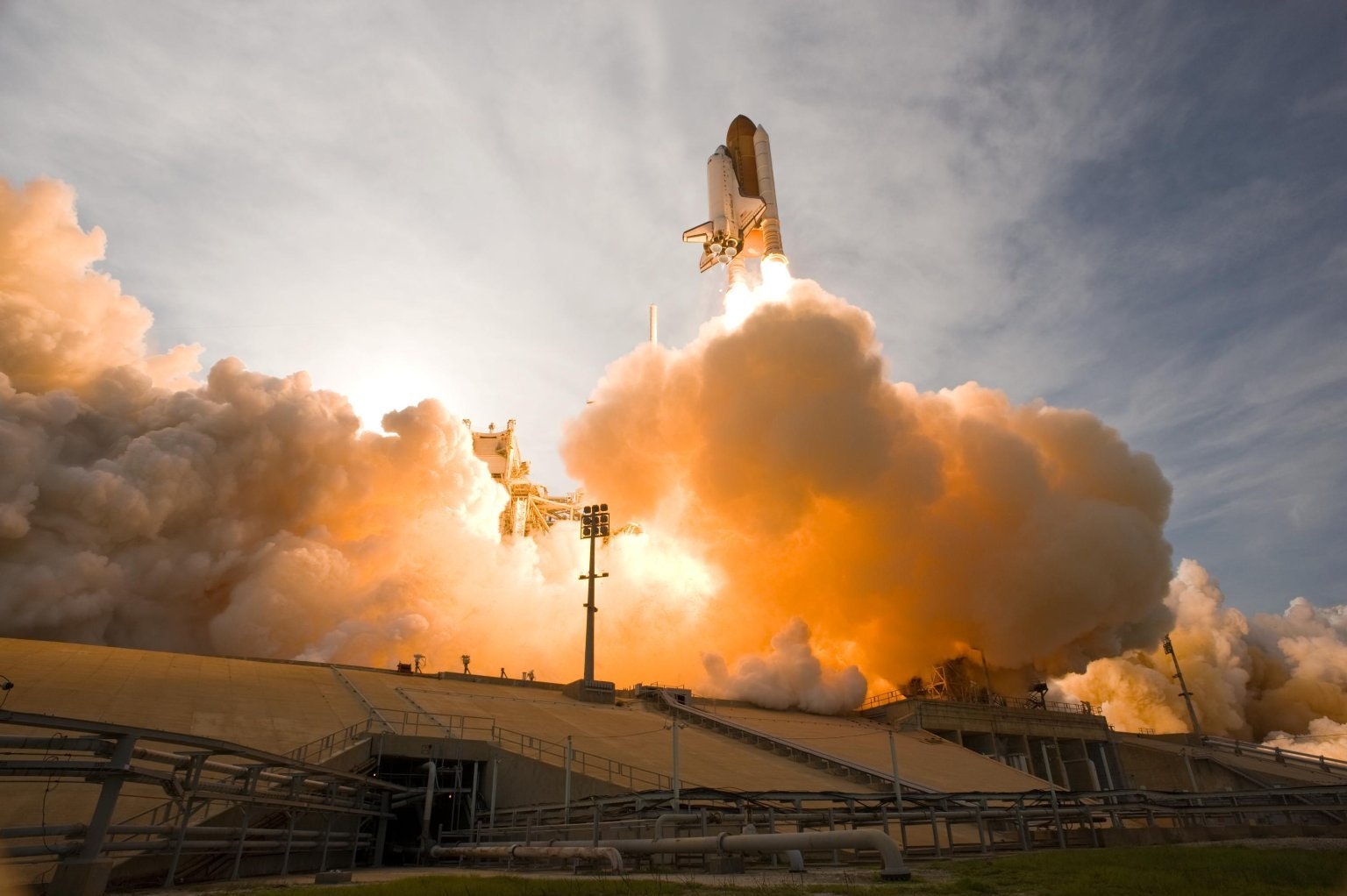
Spaceport Esrange, the mainland’s first satellite launch facility of Europe, has been inaugurated in Sweden, marking a consequential moment for the continent’s space industry. The ceremony matters for more than symbolism. A launch site is a piece of national and industrial infrastructure: it links satellite makers, rocket companies, test programmes, regulators and customers to a physical route into space. For Europe, which has long had access to space but is now confronting a much faster-moving commercial market, Esrange is intended to widen the options available closer to home.
The facility will provide the European Space Agency (ESA) with an independent gateway to space, enhancing its current capabilities in French Guiana. That distinction is central to the case for Esrange. Access to orbit is not simply about possessing a rocket or building a satellite. It depends on launch locations, range operations, testing capacity and the ability to schedule missions without being wholly reliant on another provider or another part of the world.
At first, the facility will be used to launch satellites into orbit. That initial purpose places Spaceport Esrange in the middle of a market where the pressure is increasingly on launch providers to offer practical, repeatable access rather than occasional prestige missions. Satellite operators need a way to put hardware into orbit when their missions are ready, and launch systems need a place where they can be tested and operated. A functioning spaceport can help connect those needs, though its value will ultimately rest on whether launch customers and rocket manufacturers choose to use it.
Table of Contents
Europe’s launch ambitions meet a crowded satellite market
According to data from the Swedish Space Corporation (SSC), around 10,000 new satellites are expected to be launched over the next few years. Their total number potentially reaches 100,000 by 2040, a 1,900% increase compared to the operational satellites in orbit today. Even allowing for the uncertainty built into long-range forecasts, the direction is plain: space activity is becoming less defined by a small number of large, infrequent missions and more by a much broader flow of spacecraft.
That shift changes the strategic importance of launch infrastructure. In a market with more satellites, the question is not only whether Europe can reach orbit, but whether it can support a growing range of missions on commercially credible terms. Satellite owners will weigh availability, reliability, timing and the suitability of a launch service for their mission. Rocket manufacturers, meanwhile, need places to conduct the work that turns a proposed vehicle into an operational one.
Esrange is therefore not a shortcut to leadership by itself. Spaceports do not create launch vehicles, customers or successful missions on their own. But they can remove one of the practical bottlenecks that stands between an emerging launcher company and an actual flight campaign. That is why the SSC’s search for partnerships with satellite owners and orbital rocket manufacturers deserves as much attention as the inauguration. The site’s commercial relevance will be built through those relationships, not through a ribbon-cutting.
Testing reusable rockets at Europe’s new spaceport
In addition to launching satellites, Spaceport Esrange will host testing of ESA’s Themis program, Europe’s initiative for reusable rocketry. This is a meaningful addition to the site’s role. The global launch business has put renewed focus on whether rocket hardware can be recovered and used again, because reusability is tied to the prospect of more frequent operations and different economics. It is also difficult work, demanding that a vehicle perform more than a one-way journey.
Themis’ reusable space launcher will undergo first-stage tests seeking to achieve vehicle liftoff and recovery. Those two goals capture the practical challenge behind reusable launch systems. Getting a vehicle off the ground is one milestone; recovering it in a condition that makes reuse plausible is another. A programme built around those tests is not merely demonstrating a concept. It is tackling the operating model Europe will need if reusable rocketry is to become part of its own launch capability.
The spaceport will also be used for suborbital test launches of various next-generation rockets. That gives Esrange a broader purpose than orbital satellite deployment alone. Test launches are where engineering assumptions meet real flight conditions, and they can be essential for companies and programmes moving from ground development toward more ambitious missions. Housing orbital activity, reusable-rocket work and suborbital testing at the same site makes the facility a potential focal point for several stages of launch development.
Economic and industry impact
The inauguration of Spaceport Esrange will not only enhance Europe’s capabilities in space but will also provide business opportunities and attract skilled operators to the sector. That claim is plausible because launch activity has effects beyond the launch pad. It creates demand for specialised engineering, mission planning, operations and the services needed to support customers preparing spacecraft and vehicles for flight. The harder part is converting that potential into a durable local and European ecosystem.
For Europe, the value is also about retaining capability. When companies can test, launch and develop closer to the markets and institutions they serve, the case for investing in a regional space industry becomes stronger. It can help reduce the gap between a satellite project being designed and a mission being flown. It can also give European organisations more say over the conditions under which their access to space is arranged.
None of that removes the competitive reality. The launch sector is demanding, and prospective customers have choices. Spaceport Esrange is currently seeking partnerships with satellite owners and orbital rocket manufacturers, with the first satellite launch expected in late 2023. The timetable gives the project a clear near-term test: an inauguration establishes intent, while a launch establishes operational credibility.
CEO of the SSC, Stefan Gardefjord, stated that the facility will enable a
“secure, competitive, and sustainable Europe.”The phrase reflects the three pressures shaping European space policy and business. Security speaks to independent access and control. Competitiveness speaks to whether European companies can win work in a crowded market. Sustainability points to the need for growth in space activity to be managed responsibly rather than treated as an unlimited frontier.
What this means for Europe’s space ambitions
The first satellite launch facility of Europe represents a new era of independence for European space exploration. That does not mean Europe begins from zero; the reference to existing capabilities in French Guiana makes clear that Esrange expands an established foundation. Its importance lies in adding another route, another location and another platform for a changing launch landscape.
With growing demand for satellite deployment and reusable rocket technology, Spaceport Esrange positions Europe as a major player in the global space race. The phrase “race” can obscure the more practical work ahead: securing partners, running safe operations, supporting tests and proving that the facility can serve missions consistently. Still, the strategic direction is hard to miss. Europe wants a larger role in the infrastructure that gets satellites and launch systems off the ground, rather than limiting itself to being a customer of access provided elsewhere.
- Location: Esrange, Sweden
- Operator: Swedish Space Corporation (SSC)
- First satellite launch: expected late 2023
- Also supports: ESA Themis reusable rocket tests and suborbital launches
See Also: More space-related news

