Table of Contents
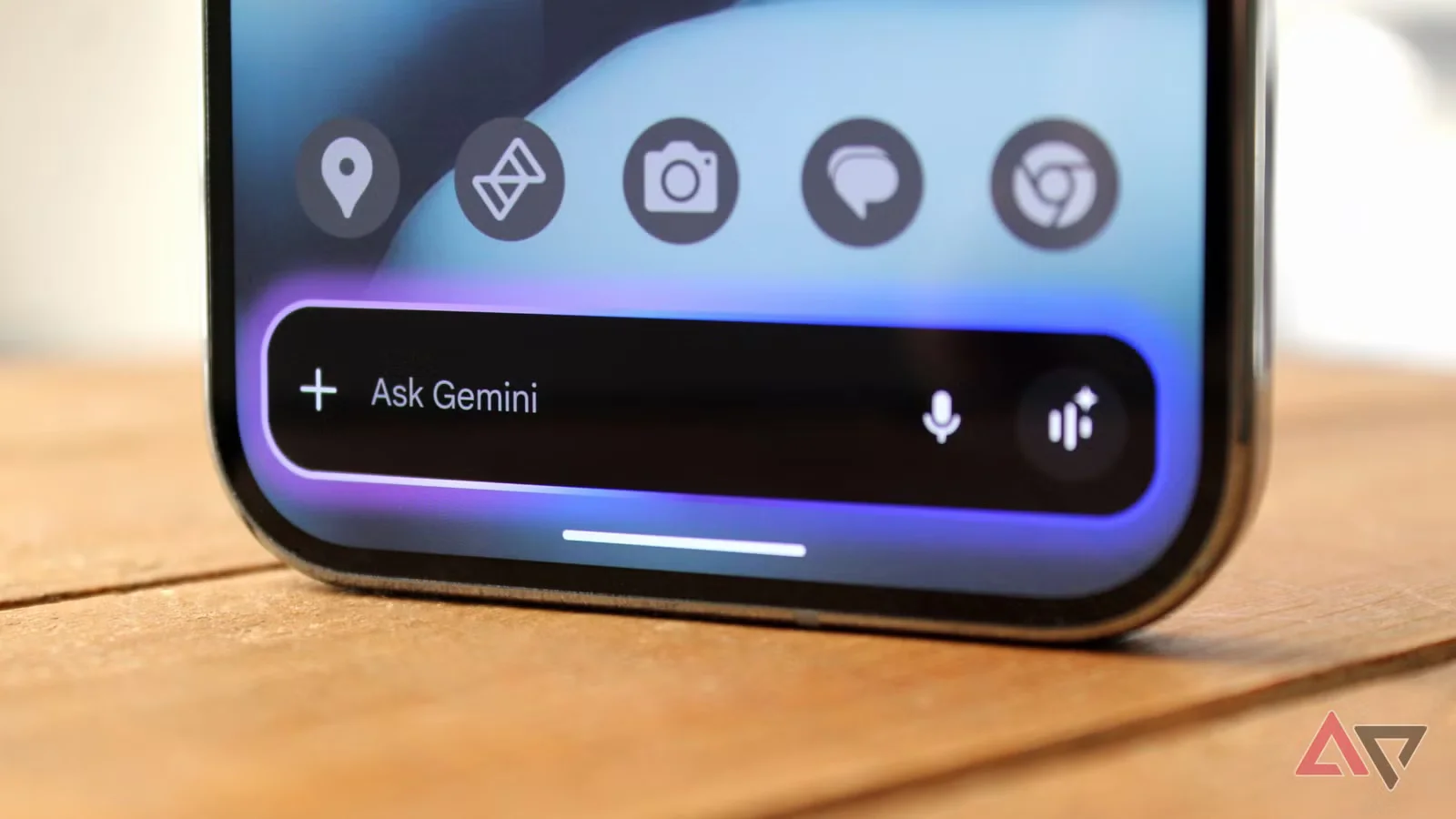
Gemini will replace Google Assistant on Android in 2026 marks one of Google most significant transitions in a decade. Google first announced plans to replace Google Assistant with Gemini earlier this year. That replacement was expected to happen by the end of 2025. Google has now confirmed that this transition will extend into 2026.
This change affects Android phones, Android tablets, and the standalone Google Assistant app on iOS. Once the transition completes, Google Assistant will no longer exist as a usable service on these platforms. Gemini will take its place as the default voice assistant across Google ecosystem.
The delay suggests Google is still working through technical and user experience issues. At the same time, it raises serious concerns about compatibility, device support, and the future of older smart home hardware that depends on Google Assistant.
Gemini Will Replace Google Assistant on Android but the Timeline Has Shifted
Google shared an update stating that it plans to upgrade the Assistant experience to Gemini on most mobile devices by the end of 2025. That plan has now changed. Google says the work to move Google Assistant users to Gemini will continue into 2026 in order to deliver what it calls a seamless transition.
This means Gemini will replace Google Assistant on Android later than expected. Google has not provided a precise month or quarter. The company says it will share more details in the coming months. From an editorial perspective at SquaredTech, this lack of clarity matters. A platform level change of this size affects developers, device makers, and millions of users.
Once the transition completes, Google Assistant will disappear from Android phones and tablets. The standalone Google Assistant app on iOS will also be removed. Users will rely entirely on Gemini for voice commands, automation, and assistant features.
At the moment, Android users can still switch back to Google Assistant inside the Gemini app. This option remains available even on newer devices such as the Pixel 10 series. That suggests Google has not begun a forced migration. Any move from Assistant to Gemini will likely happen in phases rather than all at once.
Google also appears cautious about timing. With only weeks left in 2025, a large scale migration during the holiday season would risk breaking workflows and confusing users. We believes this timing pressure likely contributed to the delay.
What remains unclear is whether Google delayed the transition because it needs more time to add missing Assistant features to Gemini or because it underestimated the complexity of replacing a service that has been active since 2016.
Gemini Will Replace Google Assistant on Android but Older Devices Face Problems
The decision that Gemini will replace Google Assistant on Android raises serious concerns for older devices. Many smart speakers, soundbars, smart displays, and Internet of Things products rely on Google Assistant for voice control and setup.
A key issue involves initial device configuration. Many older devices require a phone running Google Assistant to complete first time setup. This applies to both Android phones and the standalone iOS app. Gemini does not currently support this setup process.
If Google Assistant disappears entirely, factory resetting one of these older devices could make it impossible to set up again. Manufacturers are unlikely to update discontinued products to support Gemini. These devices are already out of official support.
From our editorial viewpoint, this creates a real risk for consumers. Devices that work today may become unusable after a reset in 2026. Users would face two options. They could switch to another assistant such as Alexa if the hardware supports it. Or they could replace the device entirely with a newer model that supports Gemini.
This situation highlights the lack of a compatibility fallback. Google has not announced any long term bridge or legacy setup mode. While everything works today, the removal of Google Assistant creates a future breaking point.
This concern matters beyond enthusiasts. Many households use Google Assistant devices daily for volume control, playback, lighting, and basic automation. Losing setup support removes long term reliability.
We believe Google should address this gap before Gemini fully replaces Google Assistant on Android. A legacy setup option or limited Assistant mode could protect users from sudden hardware loss.
Gemini Will Replace Google Assistant on Android as Google Expands Gemini Elsewhere
While the mobile transition slows, Gemini continues to expand across other platforms. Gemini is already available on Wear OS. Google has confirmed that Gemini is rolling out to Google TV and Android Auto. These expansions show that Google remains committed to making Gemini the central assistant across its ecosystem.
Google also continues its Gemini for Home Early Access program. This program targets smart speakers and smart displays. It allows early users to test Gemini powered voice features in home environments. However, this program remains limited and does not cover older hardware.
The broader rollout suggests Google wants Gemini to handle tasks that Google Assistant managed before while also offering deeper AI powered responses. Gemini focuses more on conversational interaction, contextual understanding, and multi step reasoning.
That difference may explain why Gemini will replace Google Assistant on Android rather than coexist with it. Google appears to see Gemini as a full platform replacement rather than an optional upgrade.
Still, Assistant built its reputation on reliability and fast responses. Many users rely on simple voice commands rather than complex queries. Gemini must match that reliability before Google forces adoption.
The year 2026 now looks symbolic. Google Assistant launched in 2016. A full replacement ten years later fits a typical product lifecycle. SquaredTech sees this as a generational shift rather than a routine update.
The delay into 2026 may give Google time to smooth rough edges. It may also give users time to prepare. Device owners can avoid unnecessary factory resets. Buyers can consider Gemini support when purchasing new hardware.
At the same time, the delay confirms that replacing Google Assistant is harder than expected. Voice assistants sit at the center of daily device interaction. Any disruption affects trust.
At SquaredTech, we believe Gemini will eventually replace Google Assistant on Android, but the success of that move depends on how Google handles compatibility, setup, and user control. A smooth transition requires more than AI capability. It requires respect for existing devices and habits.
As 2026 approaches, users should pay close attention to how Google communicates this change. Gemini may represent the future of Google assistant technology, but the path to that future must protect the present.
For more Updates: Artificial Intelligence