

Table of Contents
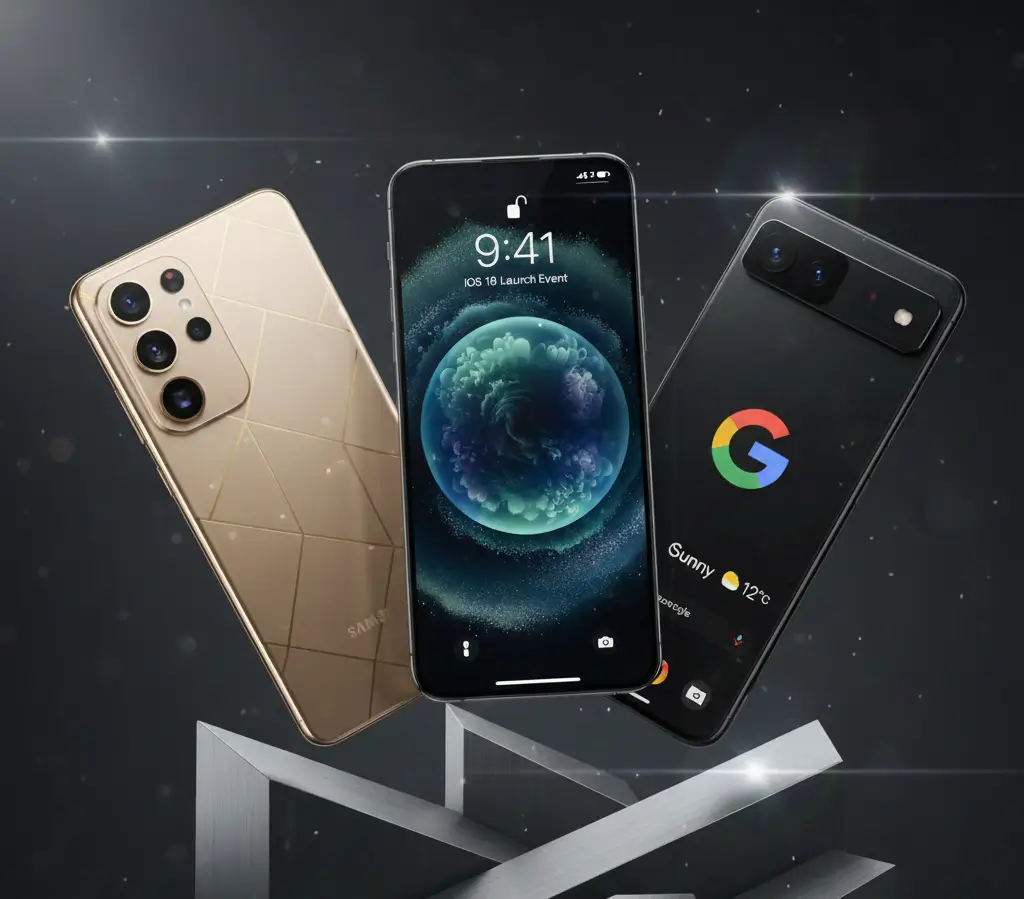
The advancements in AI technology signify that 2025 is truly the Year of the AI Phone. Samsung released the Galaxy S25 Ultra early in 2025. This phone combines Gorilla Glass and metal into a powerful device. It includes the S Pen, which users rely on for notes and drawings. Reviewers at Squaredtech.co tested it extensively over months. We confirm it earns the title of ultimate Android phone. Even with newer models like the slim Galaxy Z Fold 7 and Google’s Pixel 10 Pro, the S25 Ultra holds strong.
Samsung leads in AI phone innovation. The company packs two generative AI systems into the device. One handles words, the other manages video and images. Samsung Galaxy AI processes everyday tasks like summarizing calls or editing photos. Gemini AI adds advanced features, such as real-time translation during video calls. These systems complement each other in most cases. Users access AI through simple voice commands or on-screen prompts. Dual-AI approach creates unique versatility. No other phone offers such layered intelligence without conflicts. As we look back on 2025, it will be remembered as the Year of the AI Phone.
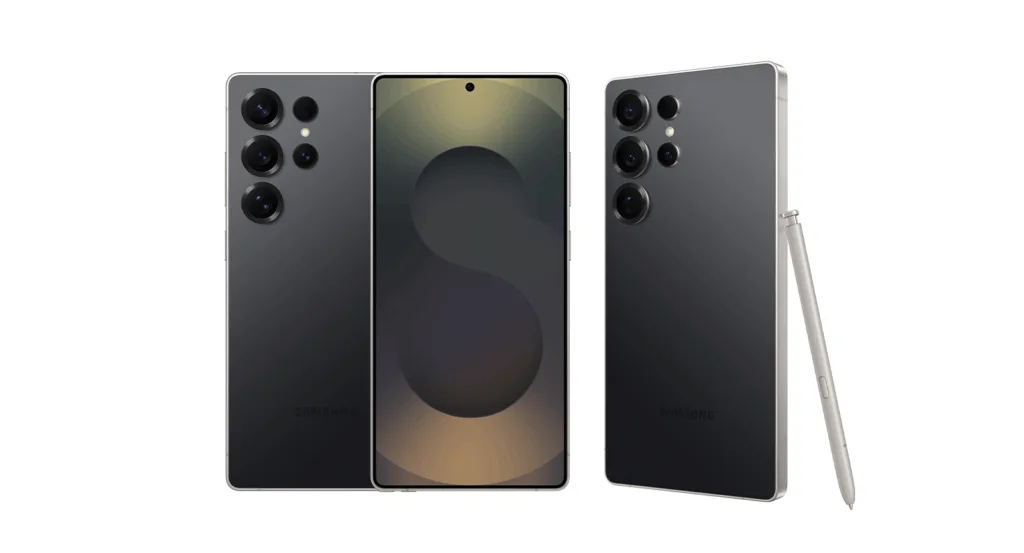
Hardware changes stayed minor this year. AI phone upgrades took priority over big redesigns. The S25 Ultra features a subtle update. Its look shifts to bold lines and a tough appearance. The phone starts a clear trend in photography. Cameras capture sharp 200MP images and smooth 8K videos. Samsung equips it with advanced sensors for low-light shots and portrait modes. Unlike Apple, Samsung skips pro-video marketing. Yet, the hardware delivers professional results. during the test in night footage, it rivals cinema tools. This focus predicts AI phone cameras will evolve with software enhancements in 2026.
The S25 Ultra proves AI phones prioritize brains over brawn. Battery life lasts 24 hours under heavy use. The 5,000mAh cell supports 45W charging. Display reaches 2,600 nits brightness for outdoor visibility. AI optimizes power draw during tasks like image generation. This phone sets expectations for future flagships.
Samsung Galaxy Z Fold 7 Redefines the AI Phone Foldable
Samsung shocked the industry with the Galaxy Z Fold 7. This foldable measures just 4.2mm thick and weighs 215 grams. It beats the previous Fold model in slimness. Even when closed, it stays thinner and lighter than the Galaxy S25 Ultra. Squaredtech.co editors handled prototypes early. The build uses reinforced hinges and flexible glass. Crease visibility drops by 40% compared to 2024 models.
Trade-offs exist. The Z Fold 7 gains a 200MP main sensor. It produces detailed photos and 4K videos with AI stabilization. Colors pop accurately, and dynamic range handles high-contrast scenes. However, it drops S Pen support. Users miss stylus input on the 8-inch inner display. Squaredtech.co recalls sketching sessions on the Fold 6 during 2024 travels. The loss stings for artists and note-takers.
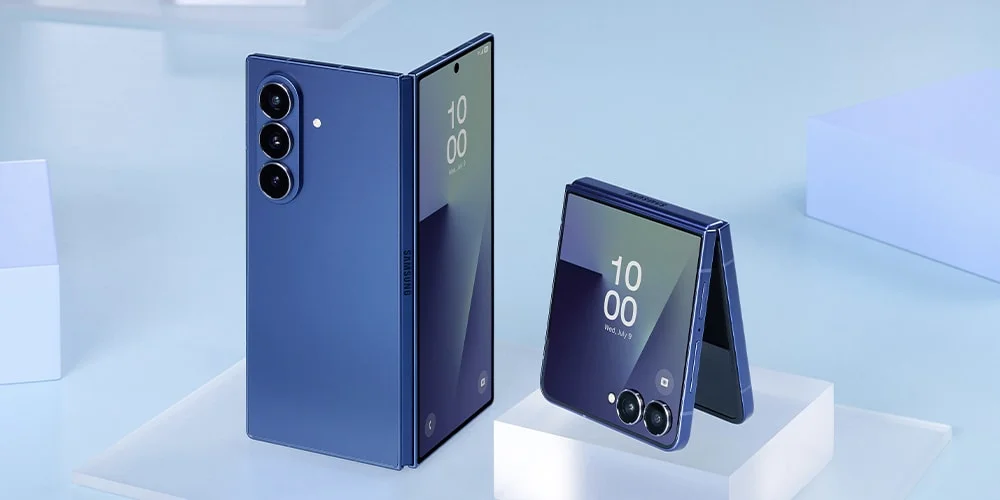
The cover screen grows to 6.5 inches. Users complete tasks without unfolding. Squaredtech.co tests show app performance rivals slab phones. The inner screen boosts productivity. Split-view modes run three apps side-by-side. AI phone features shine here. Galaxy AI generates notes from voice memos. Gemini creates custom wallpapers from photos. This phone weighs less than most flagships yet hides a giant display. Price sits high at $1,999, but value matches for professionals.
Foldables gain traction in 2025. Samsung balances thinness with durability. IP48 rating resists dust and water. AI predicts fold patterns to prevent wear. Squaredtech.co forecasts the upcoming Galaxy Z Trifold will build on this. The Z Fold 7 proves AI phones expand form factors without sacrificing function.
Google Pixel 10 Masters AI Phone Integration
Google launched the Pixel 10 series one month after Samsung’s Fold. Design refreshes win over skeptics. Squaredtech.co editors now appreciate the clean lines and matte finishes. Pixels deliver pure Android. No bloatware slows them down. Security updates arrive first for seven years.
Cameras excel despite modest megapixels. The main 50MP sensor uses computational photography. AI processes images in real time. Colors stay true, and details sharpen post-capture. The 100x zoom relies on AI upscaling. Squaredtech.co tests reveal artifacts at extreme ranges, but everyday shots impress. Gemini integration feels seamless. Users chat with the AI for recipes, translations, or trivia. Responses come fast and accurate. Squaredtech.co analysts praise its balance: smart without flattery.
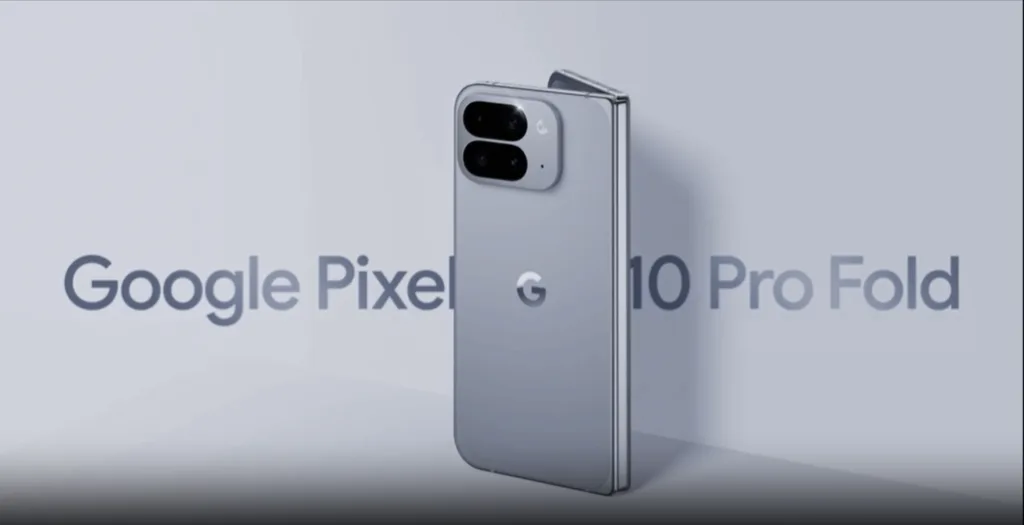
No phone matches Pixel’s hardware-AI harmony. Tensor G5 chip powers on-device processing. Features include video object removal and call screening. Most users tap only basics, but depth rewards exploration. Squaredtech.co daily logs show Gemini handles complex queries better than rivals.
The Pixel 10 Pro Fold trails the Z Fold 7. Upgrades feel incremental. Thickness lags at 5.1mm. Hinge lacks Samsung’s smoothness. Pixel Snap adds MagSafe-like magnets for accessories. This enables wireless charging docks and wallets. Squaredtech.co deems it a smart hardware win. Base Pixels start at $799, making AI phone access affordable.
Apple iPhone 17 Pro Max Claims Top AI Phone Spot
Apple unveiled the iPhone 17 Pro Max in Cupertino. Three models joined the lightweight iPhone Air. Squaredtech.co editors attended the event. Apple Intelligence disappointed at launch. Core AI features lagged. Yet, the hardware shines. The Cosmic Orange finish draws eyes. The large camera module integrates smoothly.
Zoom upgrades stand out. 4x optical zoom captures distant subjects clearly. 8x sensor crop adds flexibility. Squaredtech.co lab tests confirm edge-to-edge sharpness. A19 Pro chip drives speed. iOS 26’s Liquid Glass interface flows with animations. Beauty emerges from smooth gestures.
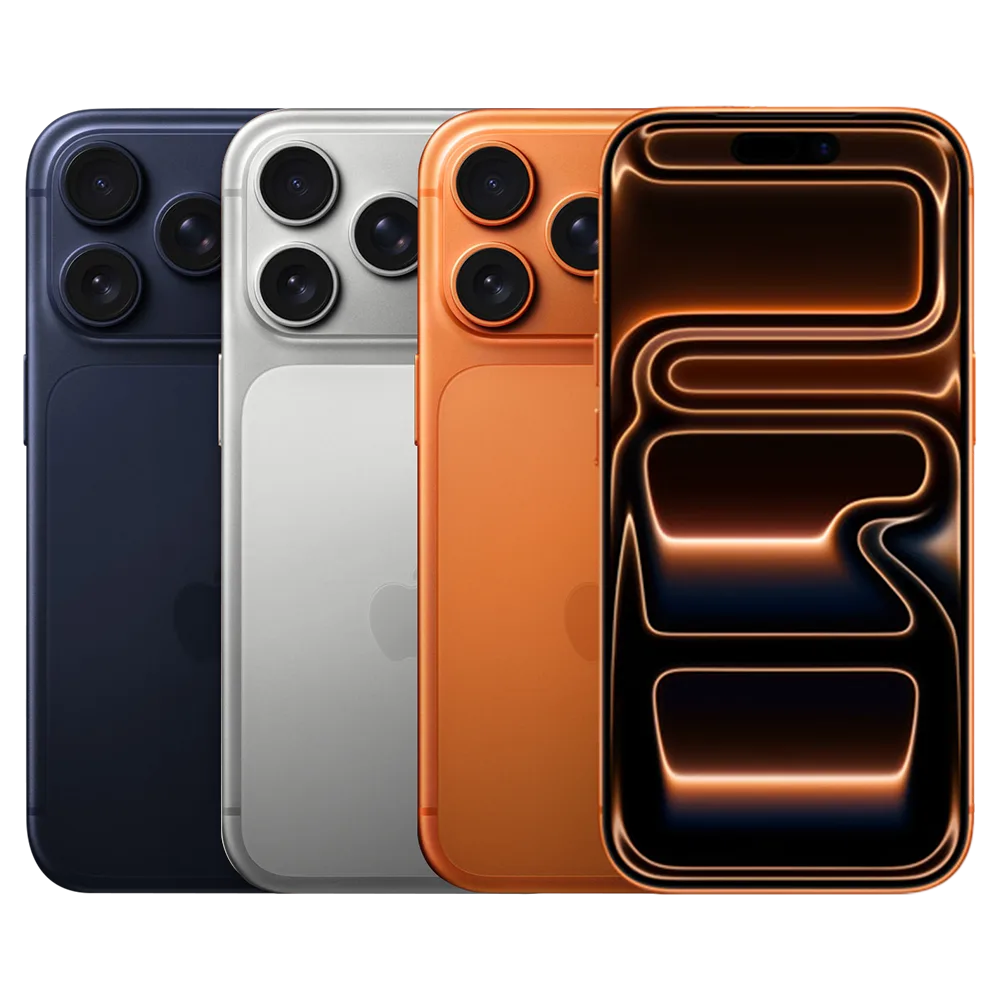
Siri trails Gemini in smarts. In our compare responses: Pixel wins trivia rounds. A19 Pro offers processing power for catch-up. Software updates will align it with ChatGPT, Galaxy AI, and Gemini. Rumors point to Gemini backing in 2026. This elevates the iPhone 17 Pro Max to near-perfection. Battery hits 30 hours. Cameras record ProRes video at 4K 120fps.
The iPhone Air mirrors Galaxy S25 Edge thinness. Squaredtech.co bent prototypes in stress tests; they hold. Battery drains fast at 3,800mAh. Cameras suffice for casual use but skip pro features. Thin phones charm visually yet falter daily.
AI Phone Dominance Persists Beyond 2025
Ultra-thin designs excited briefly. AI phones captured attention. Samsung, Google, and Apple poured resources into intelligence. Hardware refined subtly. Foldables like Z Fold 7 lead next. Squaredtech.co predicts 2026 focuses on AI depth and foldable thinness. Pixels democratize features. iPhones promise software leaps.
We analyze trends yearly. AI phones transform tasks. They edit videos, predict needs, and boost creativity. Users gain tools once limited to desktops. Expect deeper integration: AI anticipates emails or health alerts. Battery tech catches up to thin frames.
2025 proves AI phones redefine smartphones. Squaredtech.co recommends the iPhone 17 Pro Max for balance, Z Fold 7 for power users.
Stay Updated: Mobile

