

Table of Contents
One clear shift stands out in 2026. AI notetaking devices are no longer niche gadgets. They are becoming standard tools for founders, managers, journalists, students, and remote teams who want accurate records of spoken conversations.
Most people already know digital meeting assistants such as Read AI, Fireflies.ai, Fathom, and Granola. These tools work well for online calls. They connect to Zoom, Google Meet, or Microsoft Teams and generate transcripts and summaries. The problem starts when meetings move offline or happen in mixed settings with people in the same room and others on a call.
This gap has created demand for physical AI notetaking devices. These tools capture real world audio, process speech using AI, and turn conversations into searchable text, summaries, and task lists. Some devices work alone. Others pair with mobile apps. A few even support live translation.
At Squaredtech.co, we reviewed the most relevant physical AI notetaking devices available today. Each product follows a different approach to recording, transcription, pricing, and portability. Below, we explain how these AI notetaking devices work, what makes each one distinct, and who benefits most from using them.
Why Physical AI Notetaking Devices Are Gaining Momentum
AI notetaking devices solve problems that software tools cannot fully address. Online meeting assistants depend on clean digital audio feeds. In person conversations create background noise, overlapping voices, and variable mic quality. Physical devices place microphones close to the speaker and capture sound directly.
Another key reason is control. Many professionals prefer to own hardware rather than rely only on cloud software. Physical AI notetaking devices give users a sense of privacy and reliability. Recording continues even if a laptop sleeps or an app crashes. Wearability also matters. Some AI notetaking devices clip onto clothing or hang as pendants. This design allows users to capture spontaneous conversations, interviews, or hallway discussions that software tools miss.
Battery life plays a role as well. Many devices record for an entire workday or longer. Some store dozens of hours of audio before syncing to a phone or app. Finally, AI processing has improved. These devices now offer accurate transcription, speaker detection, summaries, highlights, and action item extraction. Several support multiple languages. Some even offer real time translation.
Leading AI Notetaking Devices You Can Buy Today
Plaud Note and Plaud Note Pro
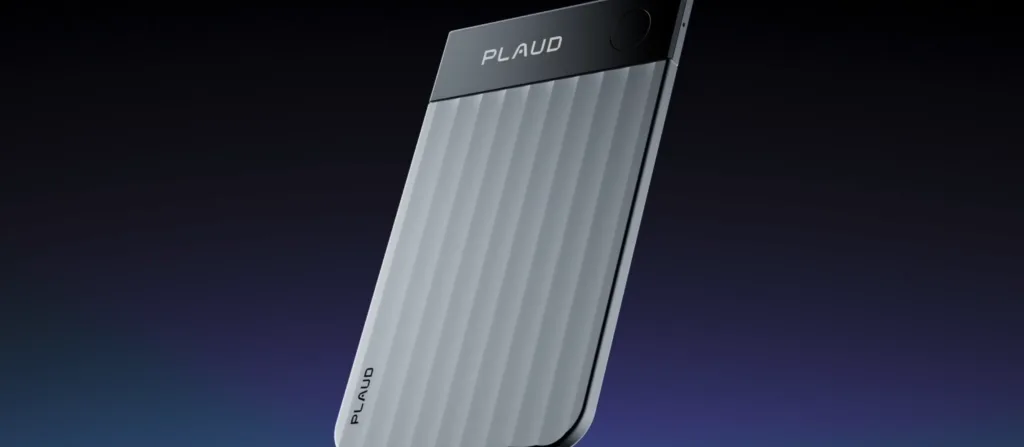
Plaud launched its first credit card sized AI notetaking device in 2023. The company later released the Plaud Note Pro, which adds more advanced features and hardware improvements. The Plaud Note Pro includes a small display and four microphones. It records audio clearly within a three to five meter range. Users can switch between in person recording and phone call recording. This flexibility makes it useful for office meetings, interviews, and calls.
The Plaud Note costs $159. The Plaud Note Pro costs $179. Both devices include 300 free transcription minutes each month. After that, users must rely on paid plans.
Mobvoi TicNote
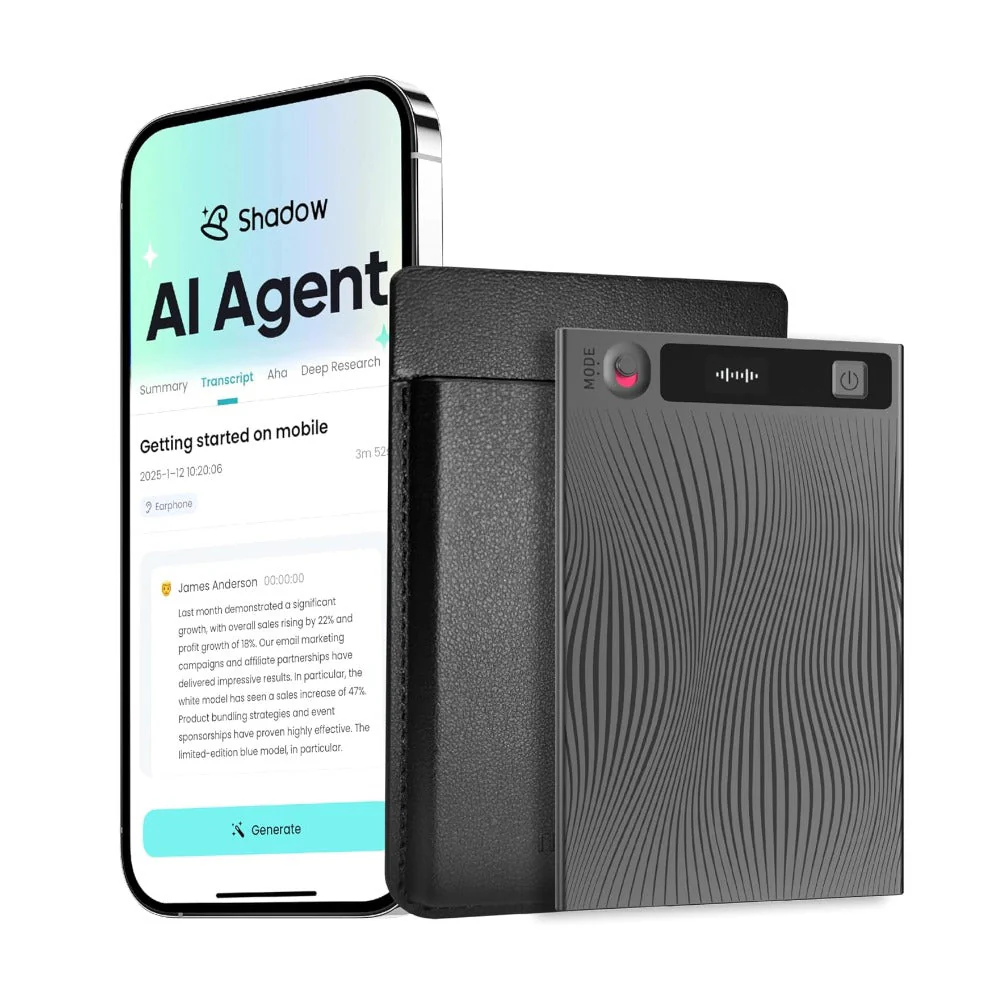
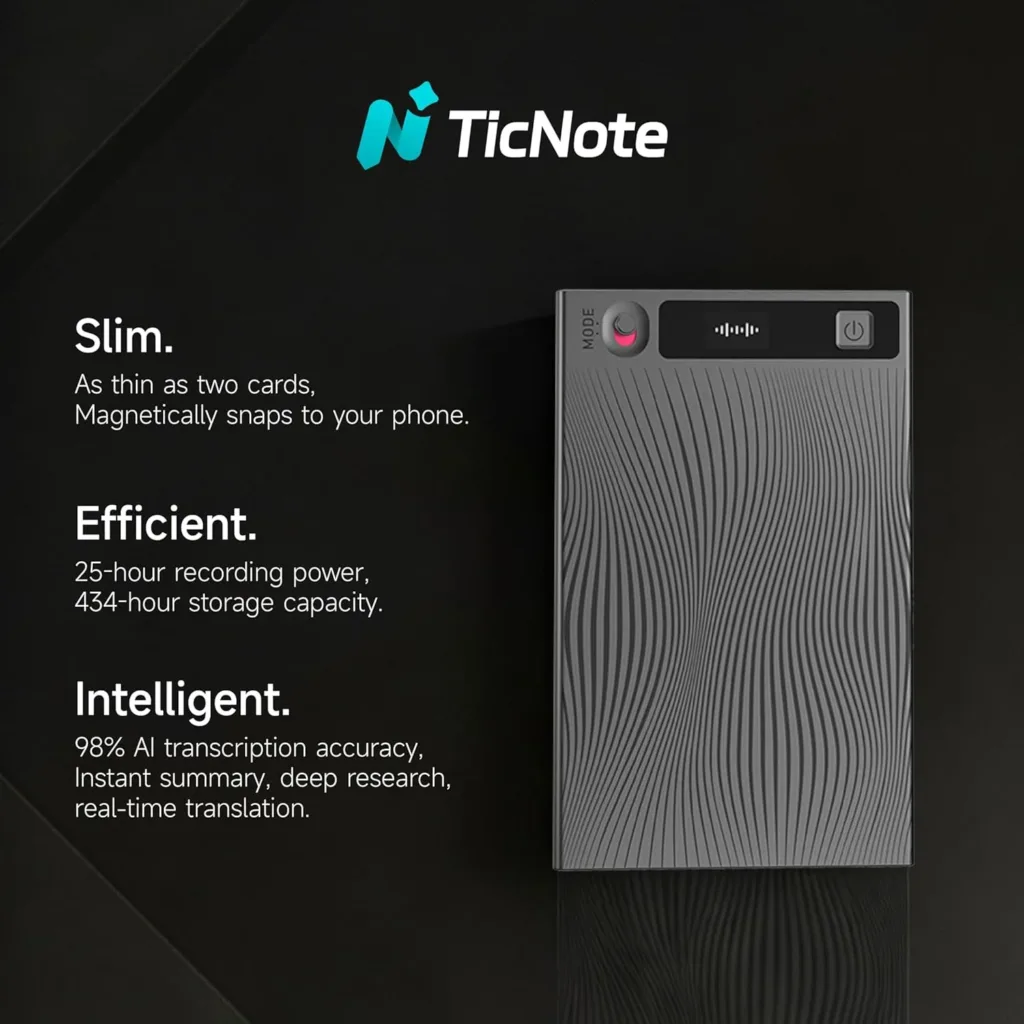
Mobvoi entered the AI notetaking devices category with the TicNote. The device has a rectangular design and uses three microphones. Mobvoi claims the TicNote supports real time transcription and translation in more than 120 languages. The TicNote records up to 25 hours of audio continuously. This makes it suitable for conferences, workshops, or long interview sessions.
The device includes 600 free transcription minutes, which is higher than most competitors at this price. Software features include automatic highlight extraction. Users can also turn conversations into summarized audio clips or podcast style recordings. This helps teams share key moments without replaying full sessions. The TicNote costs $159. At Squaredtech.co, we see it as a strong option for multilingual users and global teams who value translation support.
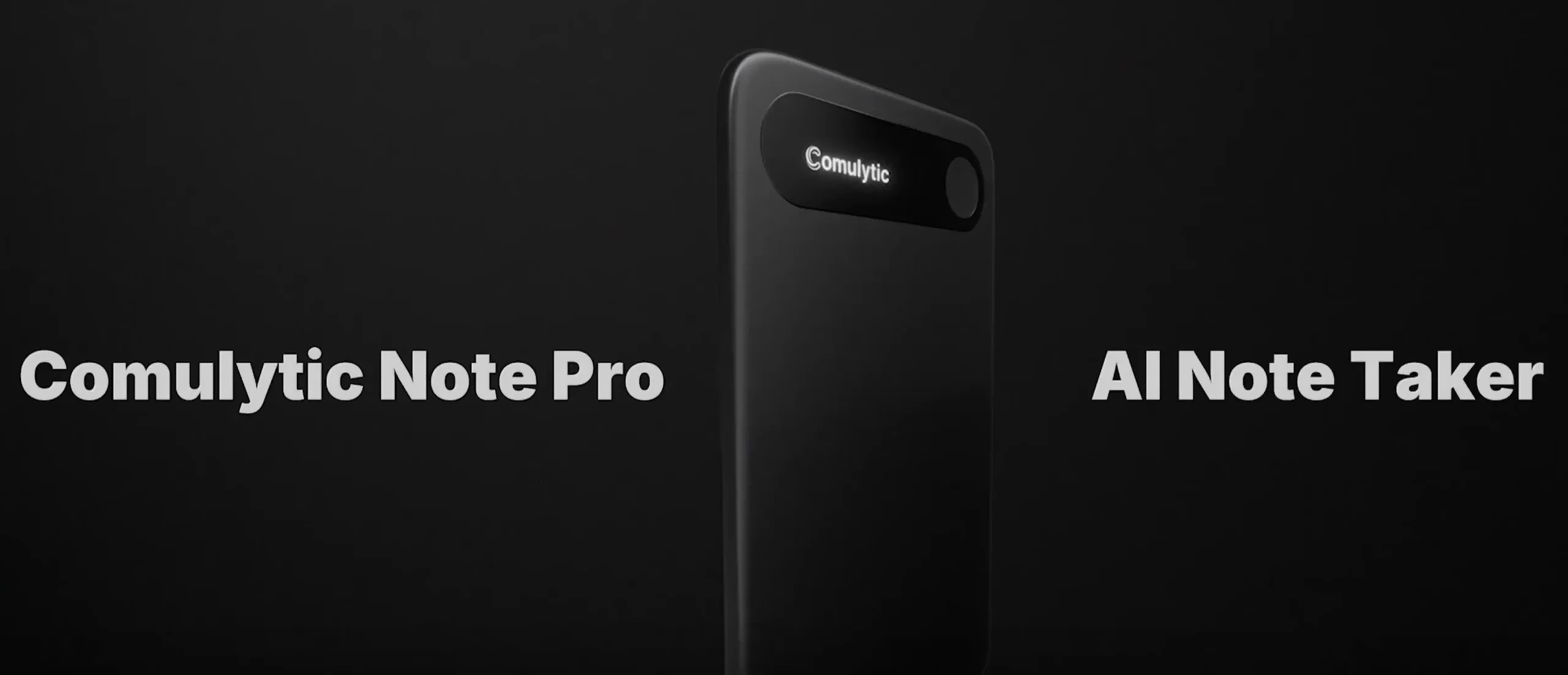
Comulytic Note Pro
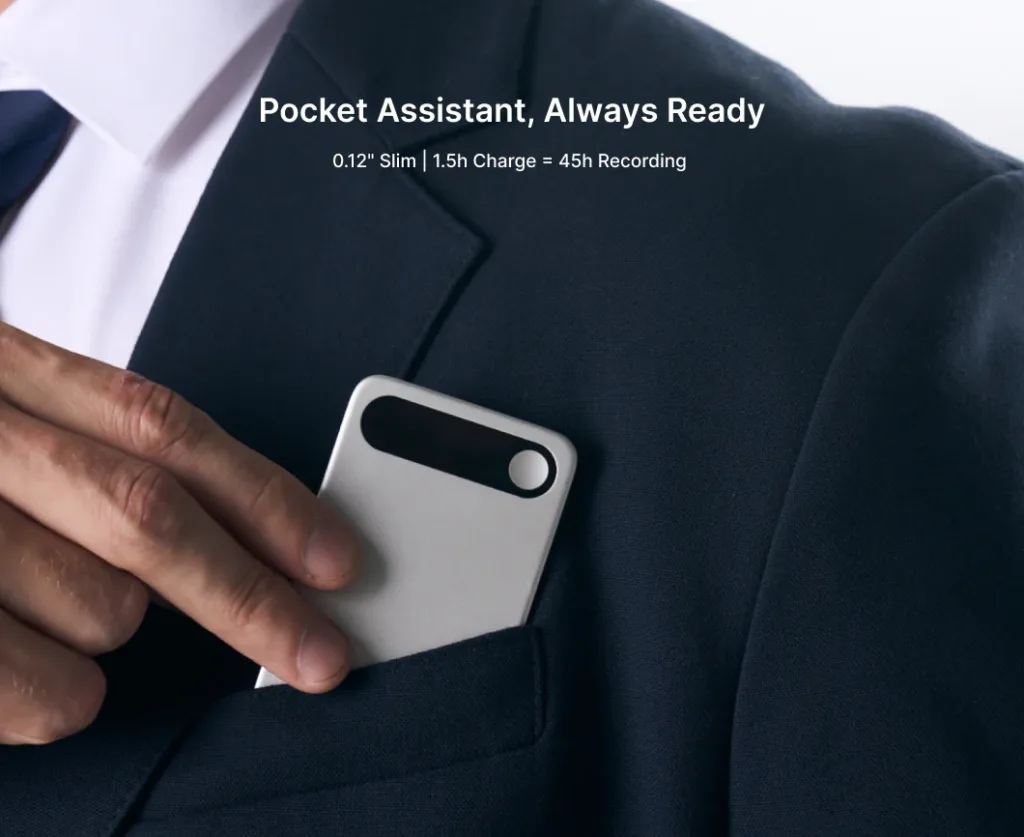
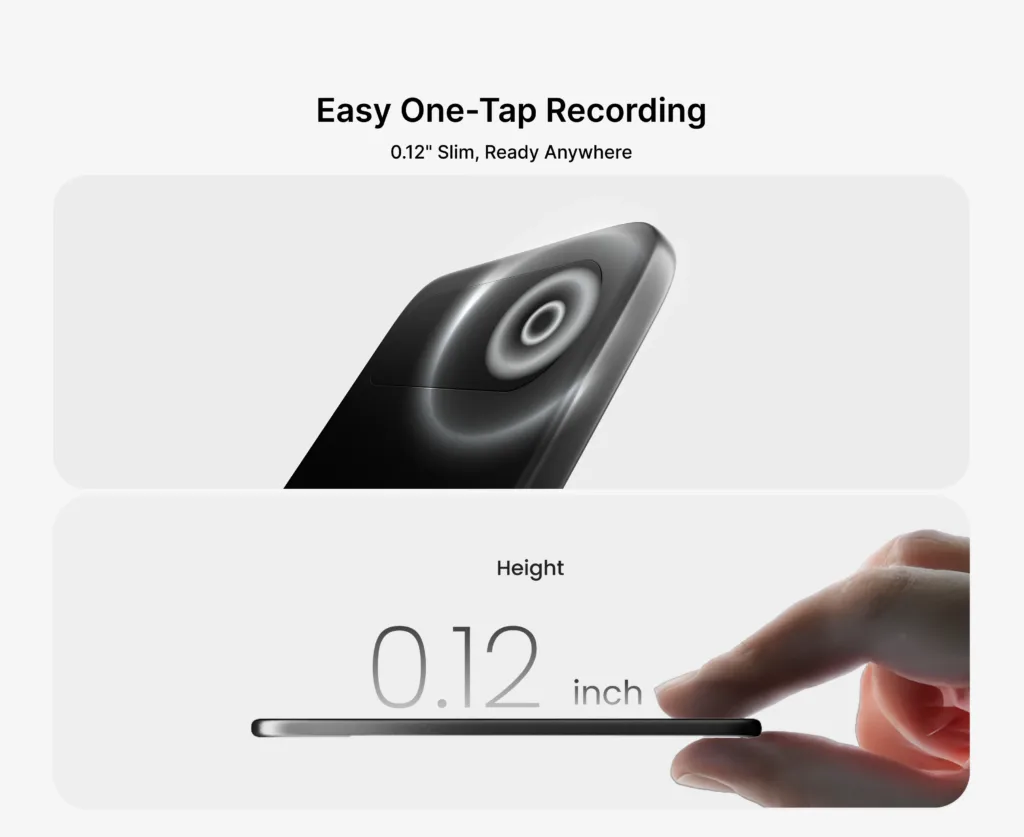
Comulytic is a newer name in the AI notetaking devices market. The company focuses on one major differentiator. The Note Pro does not require a subscription for basic transcription. The device costs $159 and allows unlimited transcription minutes without additional fees. This approach appeals to users who dislike recurring costs.
The Comulytic Note Pro records up to 45 hours of audio on a single charge. It also offers more than 100 days of standby time. This battery performance stands out in this category. Comulytic offers an optional advanced plan for $15 per month or $119 per year. This plan adds instant AI summaries, unlimited summary templates, action item lists, and unrestricted AI chat features.
Plaud NotePin and NotePin S
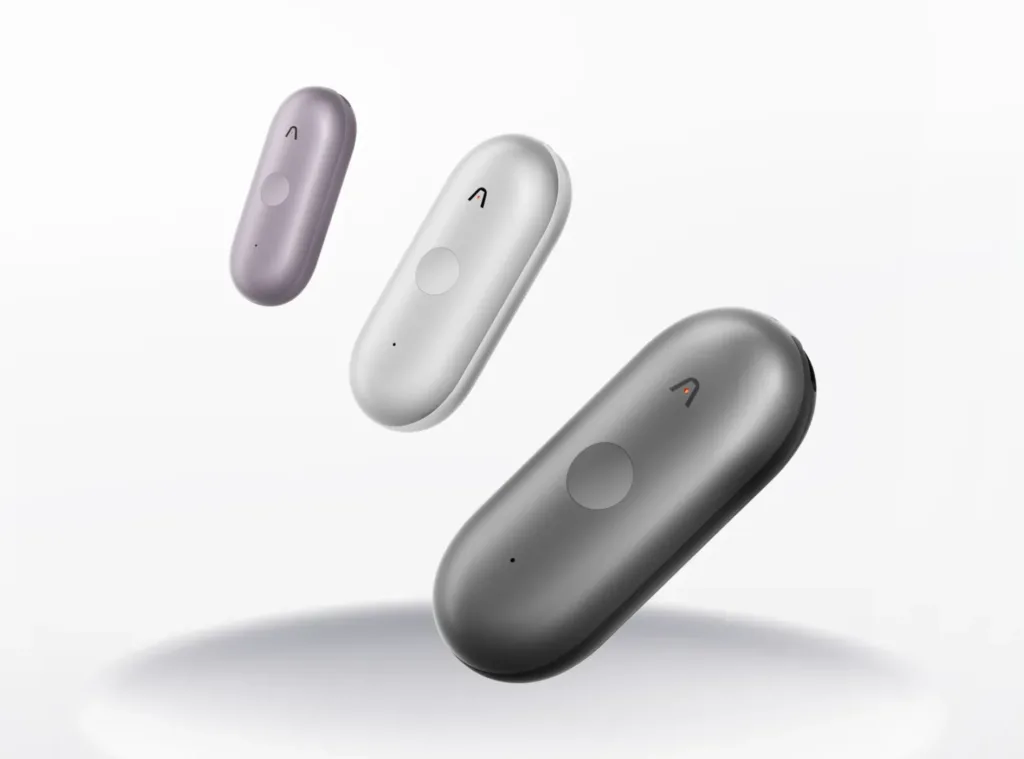
Plaud expanded its lineup with smaller wearable AI notetaking devices called the NotePin and NotePin S. These devices focus on portability and hands free use. Users can wear the NotePin as a pendant, wristband, or clipped to clothing or a bag. The NotePin S includes extra accessories such as a lanyard and wristband.
Both devices use two microphones and record around 20 hours of audio on one charge. The NotePin S includes a physical button for starting and stopping recordings and marking highlights. Pricing matches the larger Plaud devices. The NotePin costs $159. The NotePin S costs $179.
Omi Pendant

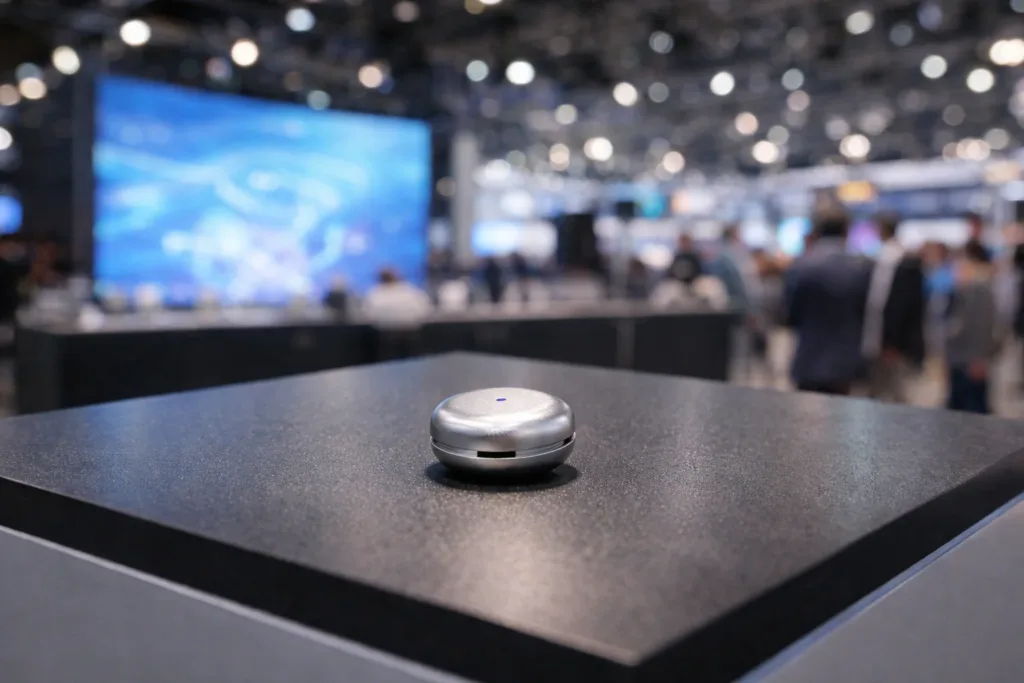
The Omi pendant offers a lower cost entry point into AI notetaking devices. The device costs $89, which is significantly cheaper than most competitors. The tradeoff is independence. The Omi pendant must connect to a smartphone and does not store audio internally. It uses two microphones and runs for 10 to 14 hours on a charge. Omi uses an open source approach. Users can rely on the official app or connect the hardware to third party apps and custom tools. Developers have already built alternative software and integrations.
Viaim RecDot Earbuds
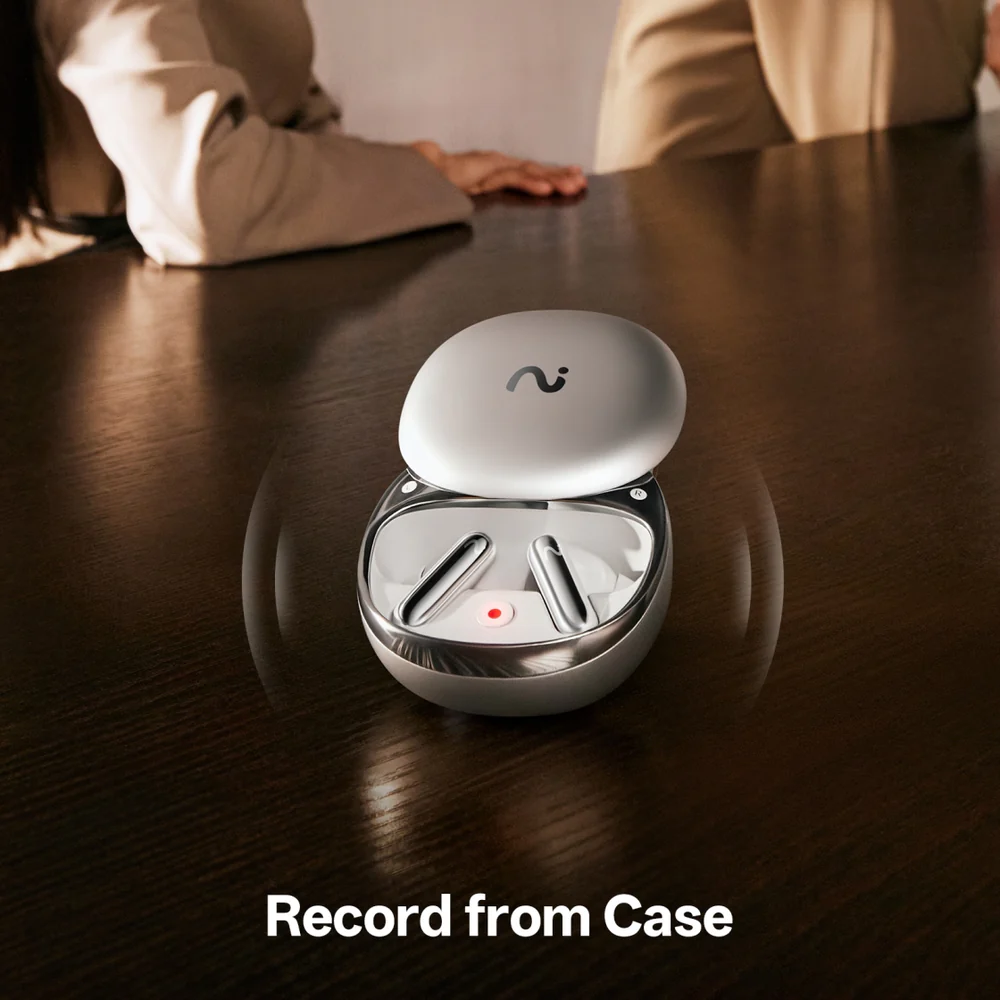
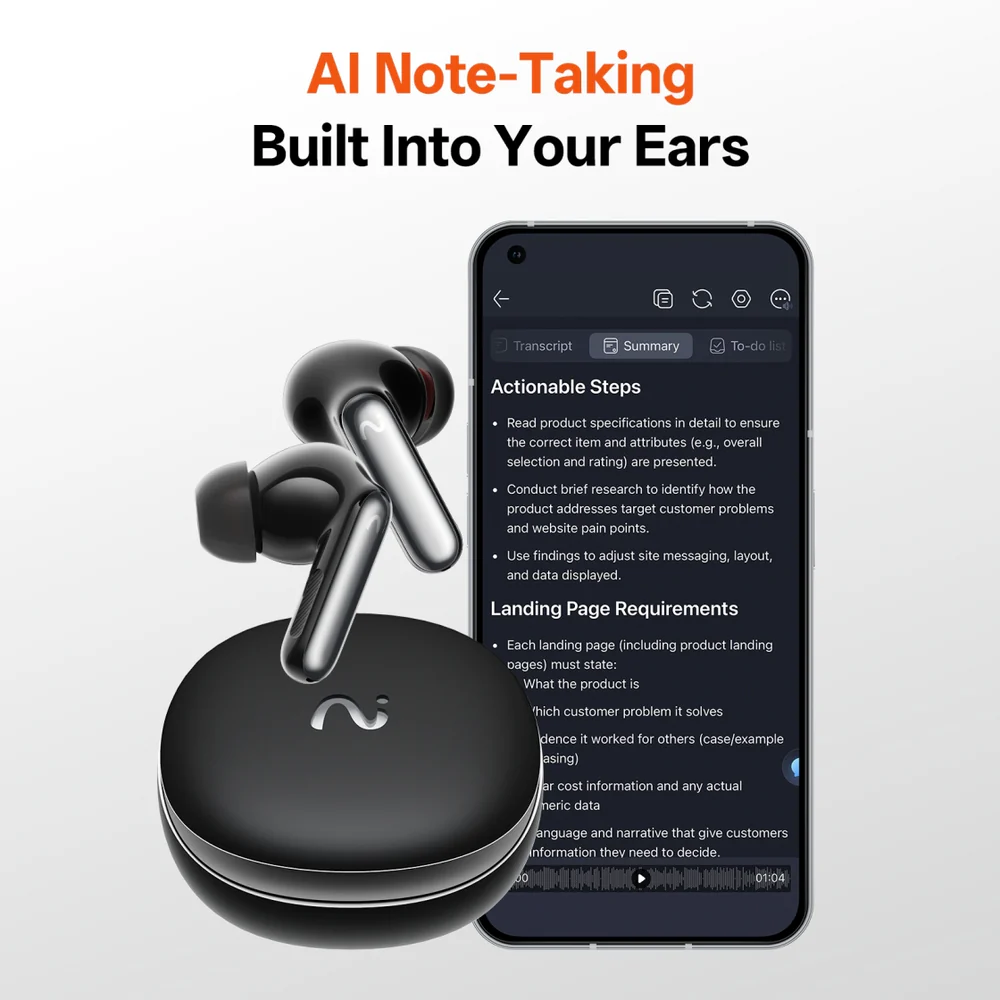
Viaim takes a different approach by embedding AI notetaking features into earbuds. The Viaim RecDot earbuds transcribe calls and record conversations using the charging case.
The earbuds cost $200. Viaim claims support for real time transcription in up to 78 languages. The companion app highlights key points within transcripts. This design appeals to users who already wear earbuds throughout the day. It avoids carrying an extra device while still offering AI transcription.
Anker Soundcore Work

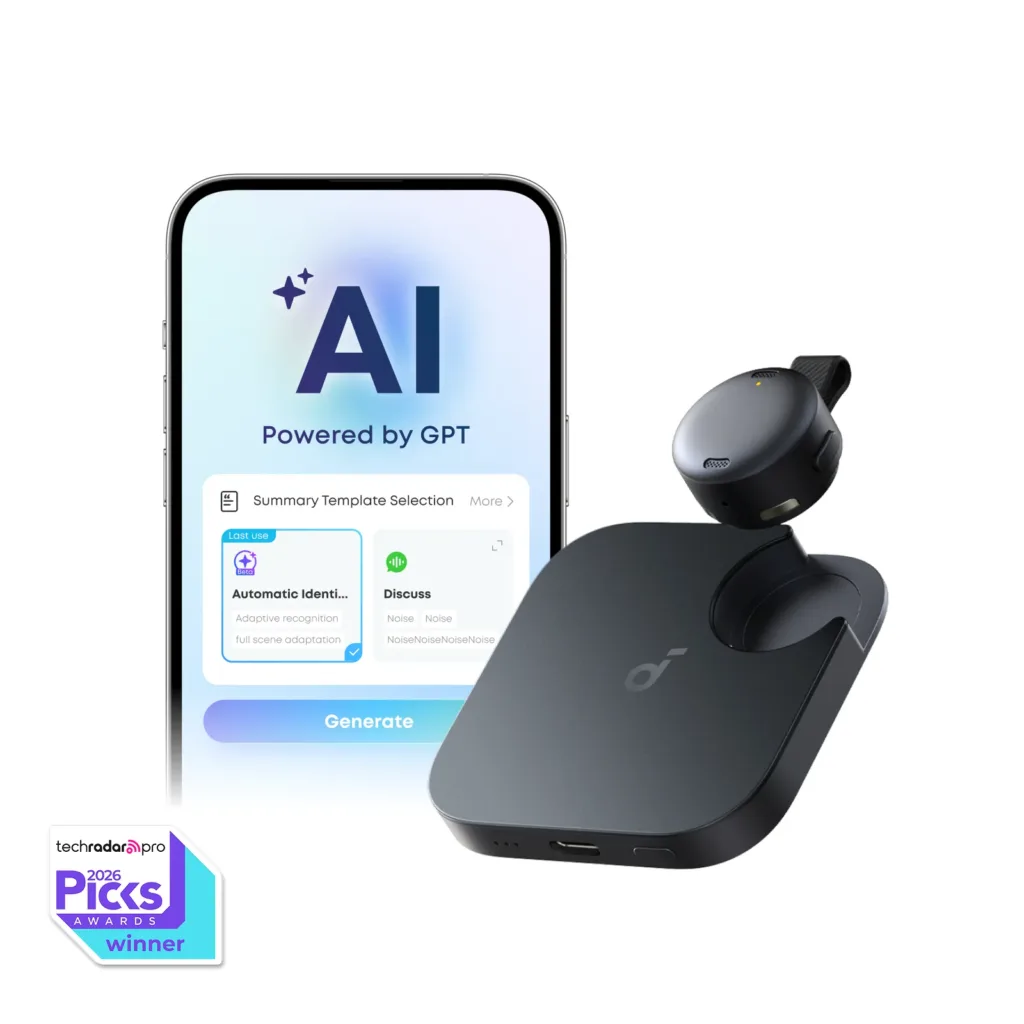
Anker entered the AI notetaking devices space with the Soundcore Work pin. The device is coin sized and pairs with a puck shaped battery case. The pin records eight hours of audio alone. When attached to its case, recording time extends to 32 hours. Anker claims a five meter recording range. The Soundcore Work costs $159 and includes 300 free transcription minutes each month.
What AI Notetaking Devices Mean for the Future of Work
AI notetaking devices change how people document conversations. Manual note taking often misses details and distracts participants. These devices allow users to stay focused while AI handles capture and organization. As speech recognition improves, summaries and action items will become more accurate. Integration with calendars, task managers, and collaboration tools will likely follow.
At Squaredtech.co, we believe physical AI notetaking devices will continue to grow alongside software tools. Each serves a different setting. Together, they reduce friction in communication and knowledge sharing. For users who attend in person meetings, conduct interviews, or work across languages, AI notetaking devices already offer clear value. The category is still young, but the momentum is real.
Stay Updated: Gadgets

