Table of Contents
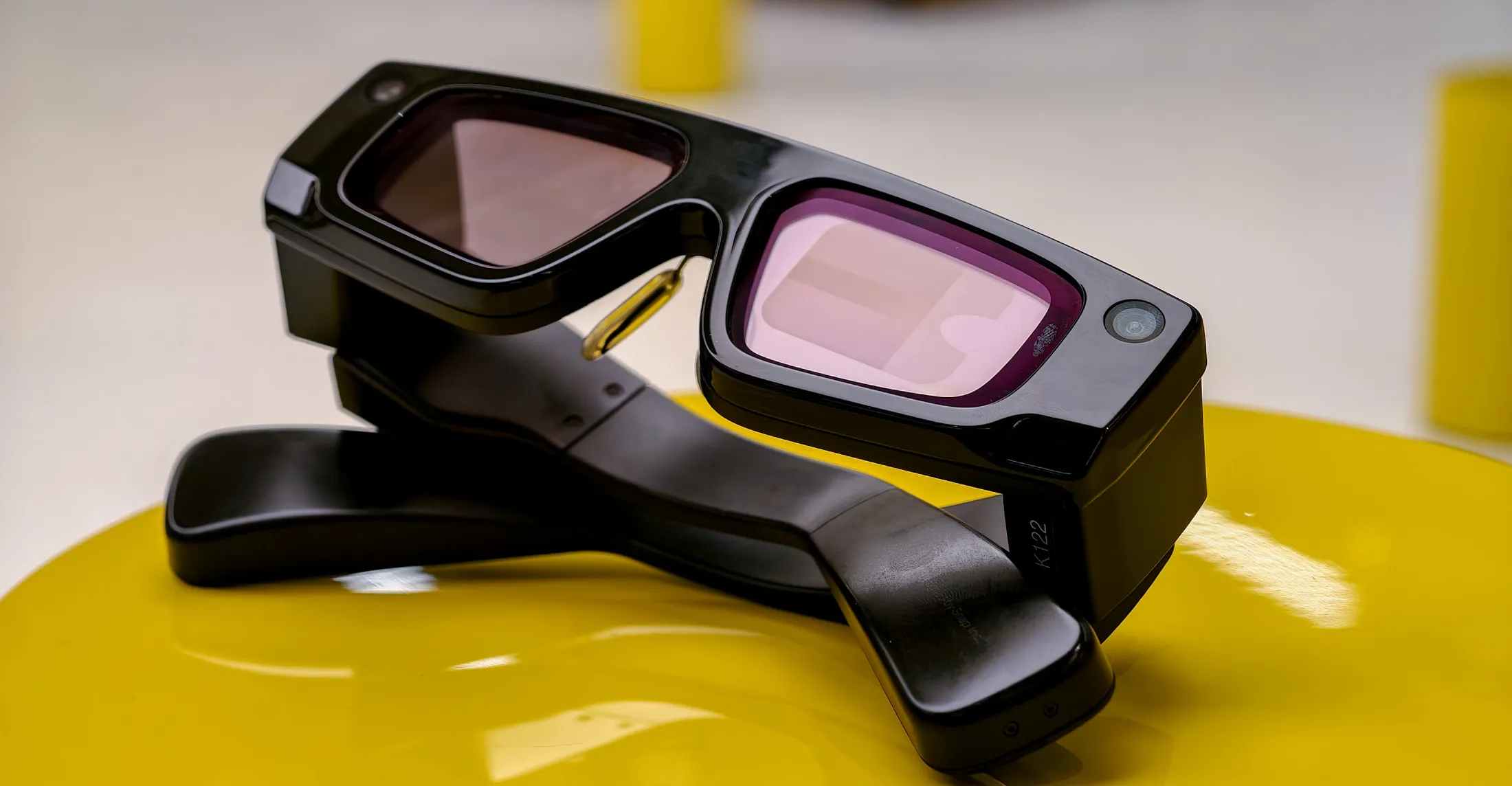
Snap has officially spun off its augmented reality glasses business into a new subsidiary, Specs Inc., signaling a sharper, more serious push into wearable computing. The move positions Snap Specs as more than an experiment—it’s now a focused bet on AR glasses as a standalone product category.
The spin-off gives Snap the freedom to accelerate hardware, software, and partnerships without competing internally with Snapchat’s core business. As Big Tech races to define the future of wearables, Snap is choosing specialization over sprawl.
Snap Specs History and Strategic Spin-Off
Snap announced the creation of Specs Inc. on January 28, 2026. The goal is operational focus. By separating the AR glasses unit, Snap can move faster on product development, hiring, and external collaboration.
Snap’s work on AR glasses stretches back more than a decade. The company began experimenting with AR hardware around 2013, building early prototypes tightly integrated with Snapchat. Those efforts led to the first consumer Spectacles launch in 2016—glasses designed to capture short videos directly for the app.
Snap followed up with Spectacles 3 in 2019, featuring dual HD cameras capable of recording 3D video. Priced at $380, the device appealed mostly to developers and enthusiasts. After that release, Snap paused mass-market consumer sales and shifted its strategy.
Since 2024, Snap has focused on fifth-generation Snap Specs aimed exclusively at developers. These units are available through a $99 monthly subscription, allowing creators to test AR applications in real-world environments. The idea is simple: strong developer ecosystems lead to strong consumer products.
The Specs Inc. spin-off formalizes this long-term strategy. Nearly 100 new roles are opening under the subsidiary, with teams dedicated to refining hardware, expanding Snap OS, and supporting developers.
Snap Specs Battles Meta and Apple
Snap Specs enter a fiercely competitive landscape. Meta leads the smart glasses market through partnerships with Ray-Ban and Oakley, integrating AI features like notifications and assistant responses into everyday eyewear. Demand for Meta’s glasses continues to grow, especially in the U.S.
Apple, meanwhile, is pushing spatial computing through Vision Pro, positioning it as an “infinite desktop” rather than traditional glasses. While Vision Pro targets a different form factor, Apple’s presence raises expectations for AR performance, polish, and ecosystem depth.
Snap differentiates itself through social AR. Unlike Meta or Apple, Snap builds around shared experiences. Snap Specs are designed for capturing, creating, and interacting with spatial content that can be instantly shared through Snapchat.
At CES earlier this year, Snap Specs product manager Russell Patton demonstrated the device’s spatial capabilities, emphasizing how users interact naturally with digital elements layered onto the real world.
Four outward-facing cameras play a central role. They track hand gestures, map environments in real time, and enable controller-free interaction. This camera-driven approach allows Snap Specs to remain lightweight and glasses-like, avoiding the bulk of traditional headsets.

Snap Specs Features Deliver Immersive Wins
Snap Specs run on Snap OS, which powers spatial interactions and on-device processing. The Snap Spatial Engine blends digital content seamlessly with physical surroundings, allowing users to pinch, swipe, and gesture naturally.
The glasses use AI to recognize objects in view, display contextual information, and translate foreign text in real time. During demos, users scanned snacks to view nutrition data, translated street signs while traveling, and navigated environments hands-free.
Gaming highlights Snap Specs’ strengths. Multiplayer AR experiences allow multiple users to see and interact with the same digital objects in shared physical spaces. These social-first experiences set Snap apart from solo AR use cases.
Privacy is another focus. Snap Specs process most data on-device, reducing reliance on cloud servers. Environmental mapping happens in real time, without storing continuous video feeds.
There are still challenges. Current demo units weigh close to eight ounces and can heat up with extended use. Snap says lighter designs and efficiency improvements are planned ahead of the consumer launch expected later in 2026.
With Specs Inc. now operating independently, Snap is betting that focused execution—paired with a massive Snapchat user base—can turn AR glasses from a niche tool into a mainstream platform.
Stay Updated: Gadgets