Table of Contents
As editors at Squaredtech.co, we see a lot of camera phones claim big numbers and game-changing hardware. The Vivo X300 Ultra 200MP camera stands out because it combines a brand-new Sony sensor, a larger-than-usual size, and a 35mm focal length that targets serious photography fans, not just spec sheet collectors. This piece breaks down what makes the Vivo X300 Ultra 200MP camera special, why the Sony LYTIA 901 sensor matters, and how these choices could shape high-end Android photography in the next cycle.
Vivo X300 Ultra 200MP camera: what Sony LYTIA 901 actually brings
The Vivo X300 Ultra 200MP camera will debut Sony’s fresh LYTIA 901 sensor. Vivo Product Manager Han Boxiao confirmed this sensor on Weibo, and that single decision already gives the device a distinct position in the current flagship crowd. The Vivo X300 Ultra 200MP camera does not just push pixel count; it pairs that 200-megapixel resolution with a 1/1.12 inch sensor size, which puts it close to the largest sensors used in mainstream smartphones. This mix of resolution and physical size sets the stage for both detailed daylight images and stronger low light shots.
Sony’s LYTIA line targets mobile photography that mimics some aspects of dedicated cameras. The LYTIA 901 in the Vivo X300 Ultra 200MP camera uses that 200MP grid to give manufacturers flexibility. Vivo can bin multiple pixels together for better light capture or allow more detailed crops without a separate zoom at moderate distances. In practice, the phone can use high resolution for sharp textures in bright scenes, then switch to heavy pixel binning in darker scenes to produce cleaner images with less noise. That dual role aligns with how flagship users actually shoot, moving from quick indoor photos to outdoor travel shots without changing settings.
The 1/1.12 inch size of the LYTIA 901 is a crucial part of the Vivo X300 Ultra 200MP camera story. A larger sensor surface gathers more photons during each exposure. More light leads to brighter, clearer results, especially in dim scenarios such as indoor events, city streets at night, or concerts. With this sensor, the phone can keep shutter speeds shorter and ISO values lower. That reduces blur from hand shake and cuts down on grain. For casual users, that means more usable shots on the first attempt. For enthusiasts, that means more freedom to capture fast movement without losing detail.
Why the 35mm focal length on the Vivo X300 Ultra 200MP camera matters
The Vivo X300 Ultra 200MP camera does something unusual with its primary lens: it targets an equivalent 35mm focal length. Many current flagships sit closer to 23–26mm, which produces a wide field of view that can distort faces and stretch edges. In contrast, the 35mm focal length in the Vivo X300 Ultra 200MP camera produces a narrower frame that feels closer to classic street photography and documentary work. This choice creates images that look more natural and less exaggerated.
For portraits, the 35mm focal length gives a more flattering perspective than ultra-wide lenses. Faces keep their shape, and background elements do not bulge or bend. For everyday scenes, this focal length encourages more deliberate framing. Users will step back slightly and think more about composition, which can lead to stronger photos overall. We see this as a signal that Vivo wants the Vivo X300 Ultra 200MP camera to appeal to photography-literate users who value visual style, not just wide group selfies.
The field of view from a 35mm-equivalent primary lens also pairs well with the high resolution of the Vivo X300 Ultra 200MP camera. Because the frame is already more zoomed-in than many rivals, the phone can crop into the 200MP source image for medium zoom levels while still keeping strong detail. That kind of in-sensor crop can cover focal lengths that would otherwise need a separate short telephoto camera. Combined with smart image processing, the phone can simulate a small range of prime lenses without forcing the user to think about optics or lenses at all.
Better stabilization and improved anti-glare coating add another layer to this system. Han Boxiao’s post notes that the Vivo X300 Ultra 200MP camera will add improved image stabilization. This helps offset hand movement during both photos and video. In low light, where shutter speeds often drop, this stabilization can be the difference between a sharp photo and a blurry one. For video, it can reduce jitter and micro-shakes, which is critical for creators who record handheld clips for social platforms.
The new anti-glare coating on the lens of the Vivo X300 Ultra 200MP camera also deserves attention. Strong lighting, such as street lamps or the sun near the frame, can cause reflections and ghosting on cheaper coatings. By increasing coating quality, Vivo can reduce veiling glare and maintain contrast in tricky lighting. Users should see fewer washed-out highlights and more defined light sources. This matters for night street scenes, skyline shots, and any scenario with bright point lights in the frame.
Vivo X300 Ultra 200MP camera and Advanced Professional Video codec
Camera hardware tells only half the story. At MWC, Vivo confirmed that the Vivo X300 Ultra 200MP camera will support the Advanced Professional Video codec. This codec first appeared on the Galaxy S26 Ultra, and its adoption here shows that Vivo wants to position the X300 Ultra as a serious video tool as well.
Advanced Professional Video gives more efficient compression and greater control over footage quality. Users gain higher dynamic range, cleaner gradients, and better preservation of fine detail compared to basic recording modes. Combined with the 200MP sensor, the Vivo X300 Ultra 200MP camera can shoot sharp video while keeping file sizes manageable for sharing and editing. For content creators who publish to YouTube, TikTok, or Instagram, this codec can reduce compression artifacts and banding that often appear around skies, skin tones, and low light scenes.
This codec support on the Vivo X300 Ultra 200MP camera also points to a wider trend in smartphone imaging. Phone makers now compete not just on camera megapixels but on codec support, color profiles, and editing flexibility. The presence of Advanced Professional Video moves the X300 Ultra into the same conversation as other “creator-first” flagships. From our perspective this can influence buying decisions for users who treat their phone as their main camera for both casual and professional content.
Export workflows benefit as well. Better codecs mean easier integration with desktop editing tools. Footage from the Vivo X300 Ultra 200MP camera should grade more smoothly, with more room to adjust exposure and color without the image falling apart. For aspiring filmmakers or social media professionals, this translates into fewer technical compromises and more focus on storytelling.
Telephoto accessories and zoom: pushing the Vivo X300 Ultra 200MP camera further
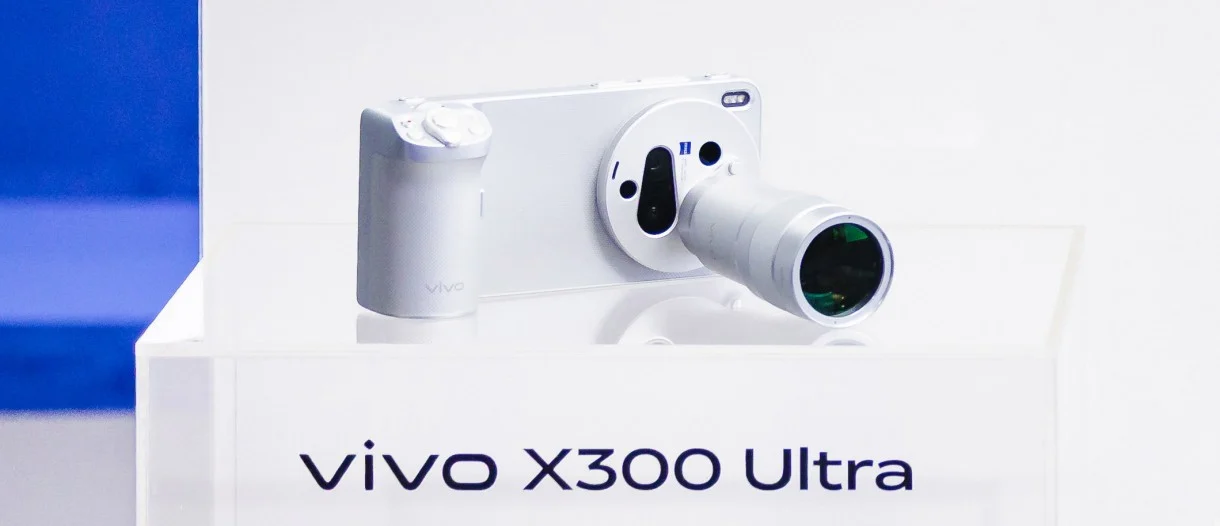
Vivo has also previewed accessories for the X300 Ultra, including an add-on telephoto lens with a 400mm focal length. Paired with the primary module, this accessory enables nearly 17x optical zoom for the Vivo X300 Ultra 200MP camera. While smartphone clip-on lenses are not new, this specific combination of a large 200MP sensor, 35mm main focal length, and 400mm accessory option points to a hybrid approach between phone and compact camera.
A 400mm focal length allows tight framing of distant subjects such as wildlife, sports action, or details on buildings. With nearly 17x optical zoom, the Vivo X300 Ultra 200MP camera can capture shots that standard digital zoom would usually mush into noisy blobs. The high base resolution further supports this by allowing fine-tuned crops even after zoom. The result could be a flexible kit that covers wide everyday scenes with the main camera and distant subjects with the add-on telephoto.
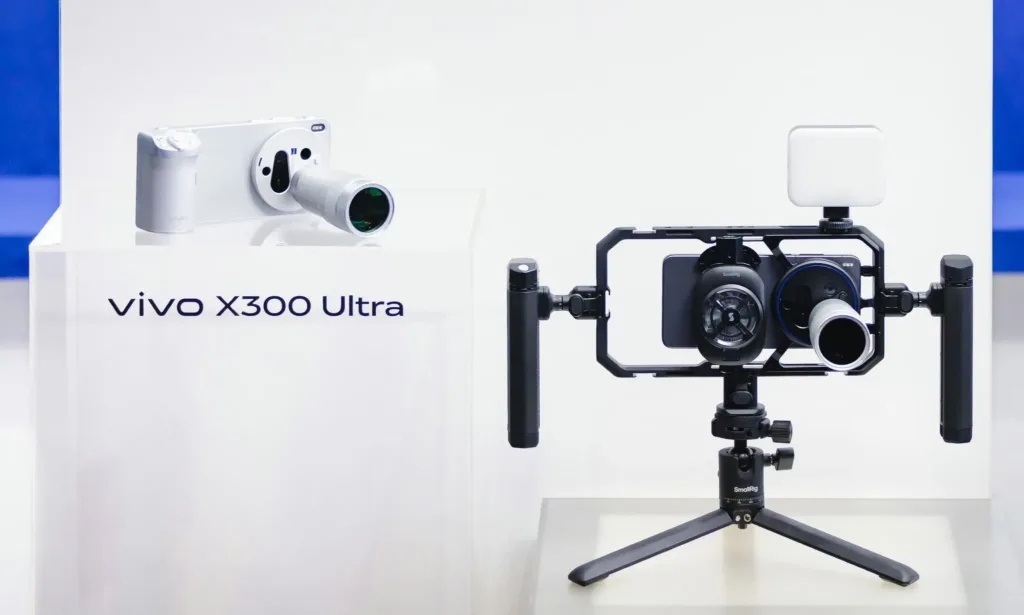
This accessory strategy shows that Vivo views the Vivo X300 Ultra 200MP camera as a platform rather than a single fixed module. Users who care about serious zoom can invest in the 400mm attachment, while others can ignore it and still enjoy a strong primary camera. From an editorial standpoint, we see this as a move to create an ecosystem around the device, appealing to hobbyist photographers who might otherwise carry a separate compact or mirrorless camera.
Of course, image quality from such an accessory will depend on alignment, glass quality, and software tuning. The Vivo X300 Ultra 200MP camera has the advantage of that large sensor and strong stabilization, which can help compensate for small focus or alignment errors. Vivo’s processing pipeline will need to balance sharpening, noise reduction, and color consistency across different zoom levels to deliver a smooth experience from 1x through 17x.
Global launch expectations for the Vivo X300 Ultra 200MP camera
Another important piece of this story is distribution. The Vivo X300 Ultra 200MP camera phone is expected to launch globally, which marks a change from earlier Vivo Ultra models that stayed confined to China. While “global” may still exclude the US market, broader release means more regions will have direct access to the Vivo X300 Ultra 200MP camera and its Sony LYTIA 901 sensor. That makes this phone more relevant to readers in Europe, parts of Asia, and other key Android markets.
At the time of writing, Vivo has not confirmed a specific launch window. However, the level of detail shared about the Vivo X300 Ultra 200MP camera and its accessories suggests that the device sits relatively close to release. Public posts from company executives, MWC announcements, and accessory previews rarely appear many months in advance. For early adopters and camera-focused buyers, this is a signal to watch for regional announcements and carrier partnerships in the near term.
From an industry angle, the arrival of the Vivo X300 Ultra 200MP camera with Sony LYTIA 901 may push rivals to respond with their own sensor upgrades and focal length experiments. Current flagship cameras often converge on similar specs. A move to 35mm for the main module, combined with a 200MP sensor and global rollout, breaks that pattern. As editors, we expect competing brands to assess whether they should maintain their wide default lenses or explore similar focal length shifts aimed at photography enthusiasts.
The Vivo X300 Ultra 200MP camera represents a more focused attempt to bridge smartphone convenience with camera-first design choices. If the final image quality matches the promise of the hardware, this device could become a reference point for future discussions about sensor size, focal length, and mobile video codecs. At Squaredtech.co, we will continue to track how the Vivo X300 Ultra 200MP camera performs in real-world tests and how users respond once the phone reaches more markets.
Stay Updated: Gadgets