

Table of Contents
As editors at Squaredtech.co, we follow Valve’s hardware moves with keen interest, given their impact on PC gaming portability and living room setups. The latest Valve Steam Machine 2026 update reveals growing uncertainty over shipping timelines, driven by persistent memory and storage shortages. This article expands on Valve Steam Machine 2026 challenges, traces the supply chain issues, and assesses effects on Steam Deck users and new hardware hopefuls.
Valve Steam Machine 2026 shipping hits memory roadblocks
Valve shared a concerning update in its 2025 Year in Review blog post. The company now expresses hope to ship the Steam Machine in 2026, but qualifiers signal real doubt. Earlier statements committed to first-half 2026 launches for Steam Machine, Steam Controller, and Steam Frame. That confidence faded amid ongoing component shortages. Valve Steam Machine 2026 now hinges on resolving memory and storage constraints before firm dates emerge.
Back in February, Valve first acknowledged these problems publicly. The company explained that memory shortages delayed launches and raised potential price concerns. At that point, Valve held to a broad first-half 2026 goal. Supply chain experts track these issues to global semiconductor production limits. Factories prioritize automotive and AI chips, leaving consumer RAM and NAND flash in short supply. Valve Steam Machine 2026 requires high-density LPDDR5X memory for efficient performance in compact form factors. Without stable supplies, assembly lines stall.
The Year in Review post marks a shift in tone. Valve writes, “We hope to ship in 2026, but memory and storage shortages create challenges.” This language grants flexibility to skip 2026 entirely if needed. Public updates will follow once plans solidify. For context, Valve’s secrecy builds anticipation but also fuels speculation. Fans parse every word for clues on Valve Steam Machine 2026 availability.
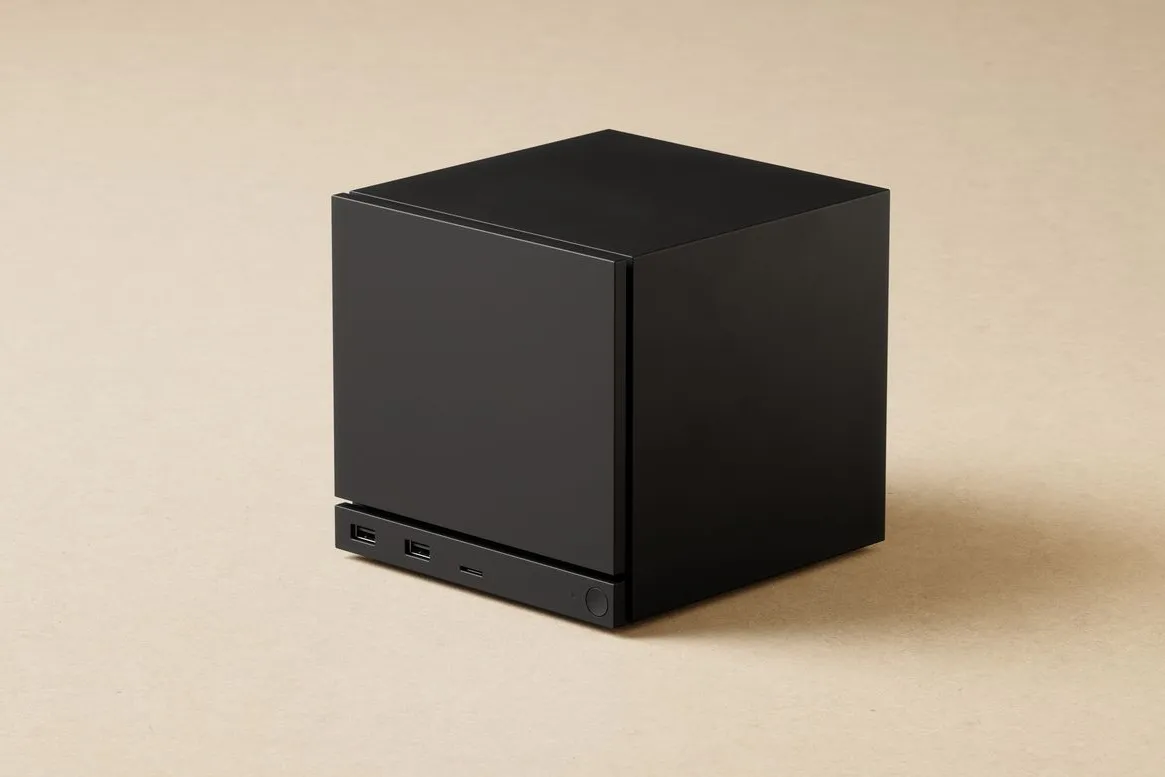
Steam Machine represents Valve’s push into modular PC hardware. Unlike fixed consoles, it allows GPU and CPU swaps for future-proofing. High-end components demand ample RAM, often 32GB or more, which exacerbates shortages. Storage follows suit with PCIe 5.0 NVMe drives for fast load times in games like Cyberpunk 2077. Valve Steam Machine 2026 aims to deliver desktop power in a console-like chassis, but component scarcity threatens that vision.
Steam Controller and Steam Frame join Valve Steam Machine 2026 uncertainty
Valve bundles updates for three devices: Steam Machine, Steam Controller, and Steam Frame VR headset. All face identical supply hurdles. The Steam Controller refreshes input options with Hall effect sticks and adaptive triggers for precise aiming in FPS titles. Steam Frame brings standalone VR with inside-out tracking and pancake lenses for room-scale experiences. Valve Steam Machine 2026 serves as the central hub, playing host to these peripherals.
February’s statement outlined concrete work on pricing and dates. Valve aimed to announce details while monitoring volatile markets. By year-end, optimism waned. Shortages persist into 2026, with no quick fixes in sight. Valve Steam Machine 2026 now carries “hope” rather than firm commitments, reflecting broader industry struggles.
HP reported in February that RAM consumes over a third of PC build costs. Enterprise demand from data centers drives up prices for DDR5 modules. NAND flash for SSDs faces similar pressures from smartphone makers and cloud providers. Industry analysts predict PC market contractions as firms pass costs to consumers. Valve Steam Machine 2026 enters this environment, where even basic 16GB kits cost 50% more than last year.
Valve already battles Steam Deck stock issues from these shortages. The handheld sells out repeatedly because LPDDR5 allocations prioritize it alongside other portables. Scaling production for Valve Steam Machine 2026 means competing for the same scarce parts. Larger chassis allow air-cooled designs, but high-spec GPUs like RTX 5090 equivalents require massive VRAM pools.
Industry-wide shortages crush Valve Steam Machine 2026 plans
PC analysts forecast major downturns from the memory crunch. Companies raise prices or cut features to cope. Valve chooses caution, avoiding premature promises. The unchanged launch FAQ offers slim hope that Valve Steam Machine 2026 stays on track. Yet blog wording suggests contingency planning for full-year delays.
Historical context informs this caution. Valve’s original Steam Machines from 2015 flopped due to high prices and Linux OS quirks. Proton fixed PC-to-Linux gaming years later. Valve Steam Machine 2026 runs Windows 11 with SteamOS options, learning from past errors. Success demands competitive pricing around $800-$1200, but shortages push bills higher. A base model with Ryzen 9, RTX 5070, and 32GB RAM could hit $1500 if components inflate 30%.
Steam Deck provides a success benchmark. It shipped despite shortages through prioritized allocations and OLED upgrades. Valve Steam Machine 2026 scales that formula to stationary power. Users expect 240Hz 1440p gaming, DLSS 3.5 support, and modular bays for RTX 60-series cards. Shortages delay these ambitions, forcing Valve to balance stock for existing products.
Broader implications hit developers and gamers. Delayed Valve Steam Machine 2026 slows adoption of SteamOS 4.0 features like hybrid graphics switching. VR enthusiasts await Steam Frame for high-fidelity experiences rivaling Quest 4. Controller upgrades promise gyro aiming refinements for precision genres. All tie to timely shipping.
From our analysis, Valve prioritizes quality over rushed launches. Rushing Valve Steam Machine 2026 with subpar specs repeats 2015 mistakes. Instead, delays allow optimization for AMD Strix Point APUs and Intel Lunar Lake chips, boosting efficiency. Battery life in hybrid modes improves, appealing to couch gamers.
Supply forecasts show relief by late 2026 as TSMC ramps 2nm production. Samsung expands HBM factories for VRAM. Valve Steam Machine 2026 could launch Q4 2026 with stabilized pricing. Until then, scalpers target Steam Decks, inflating secondary markets.
Competitors watch closely. ASUS ROG Ally and Lenovo Legion Go face similar woes, delaying refreshes. Console makers like Xbox secure enterprise deals for priority chips. Valve’s independent status leaves it vulnerable, but Steam’s 120 million users provide leverage.
Valve Steam Machine 2026 embodies the living room PC dream. It streams games locally or via GeForce Now, supports Big Picture mode, and integrates with Steam Link. Shortages test that dream, but Valve’s track record suggests perseverance. Year in Review transparency builds trust amid uncertainty.
Gamers should monitor Steamworks announcements. FAQ holds steady, hinting internal targets persist. Squaredtech.co predicts scaled-back initial runs focusing on high-margin configs. Broader availability follows in 2027.
Valve Steam Machine 2026 shipping doubt stems from real supply pain, not hype deflation. Microsoft and Sony navigate similar issues with next-gen teases. Valve’s candor sets it apart, fostering loyalty. We track updates closely.
Stay Updated: Gaming

