Table of Contents
Meta smart glasses with facial recognition push boundaries. Squaredtech examines reports of the “Name Tag” feature for Ray-Ban and Oakley models. This article breaks down plans, history, risks, and competition.
Meta Facial Recognition Smart Glasses Ignite Privacy Debates with Name Tag
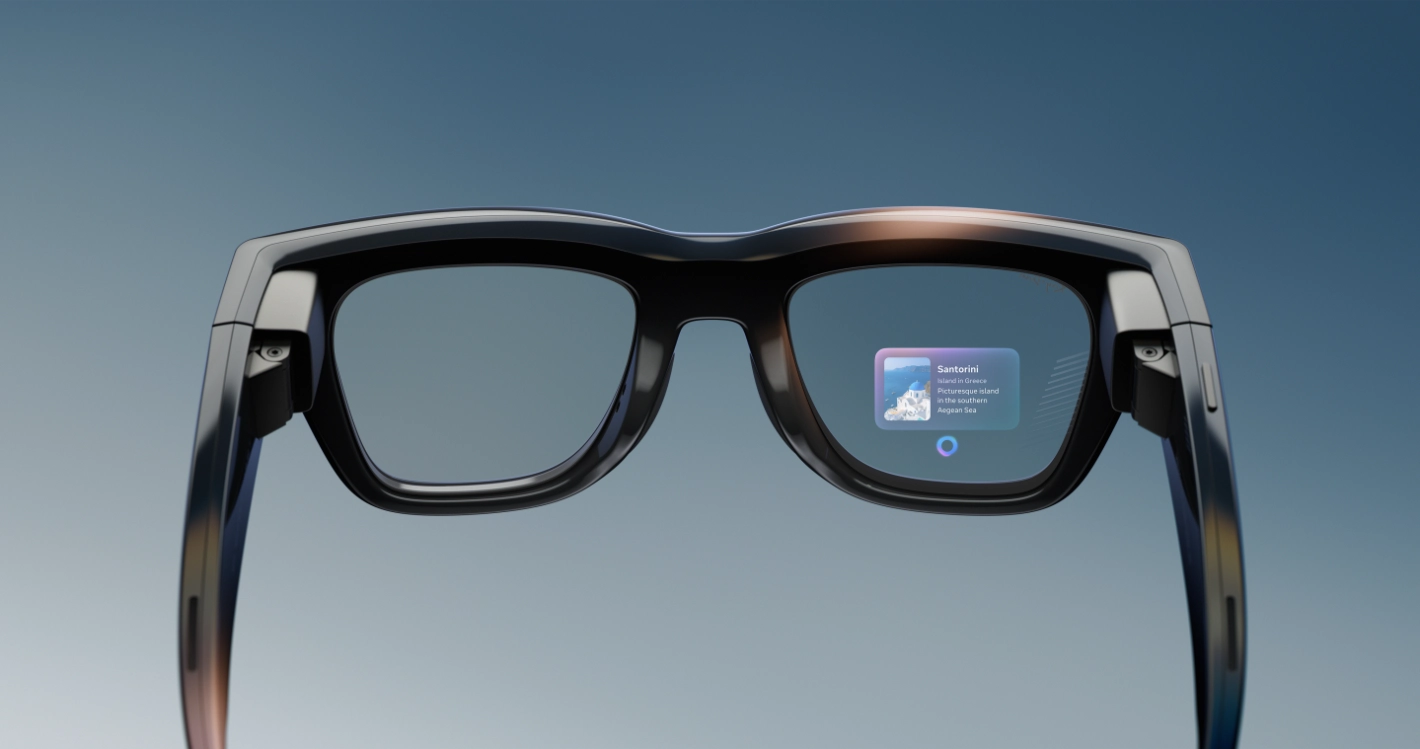
Meta develops facial recognition for its smart glasses lineup. The New York Times reports this addition targets a 2026 rollout. Four anonymous sources with direct knowledge describe the internal codename as “Name Tag.” Wearers activate it through Meta-powered Oakley or Ray-Ban glasses. AI processes faces in real time to identify people and pull basic information.
Facial recognition scans unique facial landmarks like eye distance and jaw shape. Algorithms compare these against databases. Meta limits Name Tag to known contacts from its apps, such as Facebook friends or Instagram followers. It avoids universal stranger identification, which regulators block worldwide. Public Instagram profiles provide extra details like bios or post counts.
Meta hesitates on full deployment due to backlash. The company skipped a Name Tag demo at a 2025 conference for the blind. Organizers worried about misuse against vulnerable groups. Meta also dropped facial recognition from its 2023 Ray-Ban smart glasses debut. Those glasses focused on cameras, audio, and Meta AI for queries like “What do I see?”
An internal Reality Labs memo justifies the timing. Meta notes US political instability distracts critics. Civil groups focus resources elsewhere, creating a launch window. Squaredtech views this strategy as calculated but risky. Public trust erodes when companies time controversial tech around news cycles.
History shows Meta’s pattern. In 2021, Meta shut down Facebook’s photo-tagging facial recognition after privacy outcries. Users sued over data collection without consent. EU fines loomed under GDPR. Meta revived it in 2024 as a scam detector. The tool spots fake ads using celebrity faces. Expansion hit UK, EU, and South Korea in 2025, with opt-in controls.
Name Tag builds on this. Glasses capture live video feeds. On-device AI, powered by Snapdragon chips in Ray-Bans, runs inferences. Edge processing keeps data local, reducing cloud upload risks. Users see overlays like “John Doe, Facebook friend” on the display or via audio.
Technical Mechanics and Ethical Risks of Meta Facial Recognition Smart Glasses
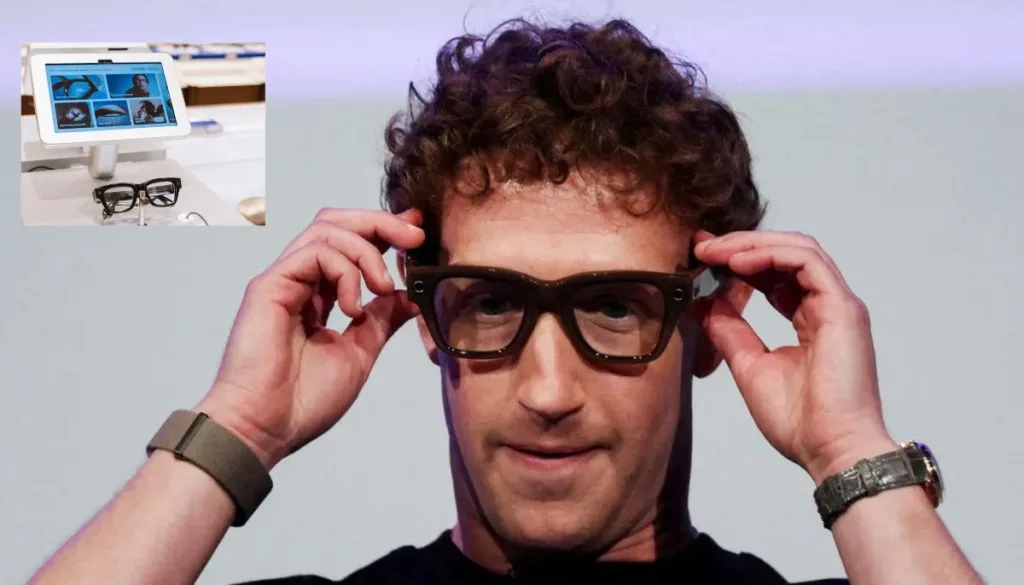
Meta explores implementation options for facial recognition smart glasses. Primary mode links to social graphs. Glasses check if a face matches profile photos from Meta apps. Matches trigger info pop-ups. Secondary scans pull public Instagram data, such as follower counts or recent posts.
Hardware supports this. Ray-Ban Meta glasses pack 12 MP cameras and speakers. Upcoming Oakley models add rugged frames for sports. Processing uses Meta’s Llama AI models, fine-tuned for recognition. Accuracy reaches 99% for known faces, per industry benchmarks from NIST tests.
Ethical risks dominate discussions. Privacy advocates fear constant surveillance. Wearers scan crowds without consent, exposing bystanders. Bias plagues algorithms; darker skin tones misidentify at higher rates, as Amazon’s Rekognition showed in 2018 audits. Meta claims improvements, but independent verification lacks.
Legal hurdles mount. US states like Illinois ban public facial recognition without laws. EU AI Act classifies it as high-risk, demanding audits. Meta positions Name Tag as assistive, like finding lost contacts at events. Critics call it a stalking enabler.
Our team analyzes user benefits. Travelers spot airport contacts. Parents locate kids in crowds. Professionals network faster at conferences. Downsides include social awkwardness; scanned people feel violated.
Meta’s past retreats inform caution. The 2021 shutdown deleted a billion face embeddings. Revival focused safety, blocking scam images of figures like Taylor Swift. Name Tag adds safeguards: users toggle it off, and it skips public figures.
Competition heats up. Smart glasses grow from $1.5 billion in 2025 to $10 billion by 2030, per IDC forecasts. OpenAI partners with hardware firms for AI eyewear. Apple plans Vision Pro successors with AR overlays. Meta seeks differentiation through social recognition.
Meta Facial Recognition Smart Glasses Face Market and Regulatory Pressures
Market dynamics favor Meta’s push. Smart glasses shift from novelties to essentials. Ray-Ban Meta sold 1 million units by 2025, driven by TikTok integration and live streaming. Facial recognition adds utility, pulling ahead of Google Glass revivals or Snap Spectacles.
Rivals lag. OpenAI’s prototypes emphasize chat, not identification. Apple’s rumored 2027 glasses prioritize health tracking. Meta leverages its 3 billion user base for rich databases, unmatched by newcomers.
Regulatory scrutiny intensifies. Biden-era AI executive orders demand transparency. Trump’s potential return eases rules, aligning with Meta’s memo. Globally, China’s CAC approves facial tech for security but restricts consumer apps.
Our forecasts outcomes. Name Tag launches limited to beta users in permissive regions like Texas or Singapore. Full rollout waits for 2027 hardware. Success hinges on opt-ins and deletion tools.
Meta’s strategy mirrors Facebook’s pivot from tags to scams. Glasses evolve into social hubs. Users query “Who is that?” and get context without phones. Battery lasts 4 hours with AI active, extendable via charging cases.
At Squaredtech, we track Meta’s bold moves. Facial recognition smart glasses challenge norms but invite backlash. Name Tag tests if utility outweighs risks in a privacy-focused era.
Stay Updated: TechNews