Table of Contents
Meta & YouTube in the first major social media addiction tria by Los Angeles jury rules against. The decision forces these platforms to pay $3 million in damages to a young woman harmed by addictive designs during her childhood.
Plaintiff K.G.M., now 20, claims platforms like Instagram, YouTube, TikTok, and Snapchat hooked her as a minor. She argues infinite scrolls, auto-play videos, and push notifications created compulsive use that damaged her mental health. TikTok and Snapchat settle before trial, leaving Meta and YouTube to face the jury alone. This case sets a precedent because plaintiffs present internal documents showing companies prioritized engagement metrics over youth well-being.
Meta shoulders 70% of the $3 million compensatory damages, or about $2.1 million. YouTube covers the rest. Punitive damages remain pending, which could raise the total significantly. Meta issues a statement that disputes the finding and promises to explore appeals. Google defends YouTube as a streaming service, not a social network, and plans its own appeal. These responses signal fierce legal pushback from both firms.
Meta & YouTube In The First Major Trial and Company Defense
Judges and jurors hear weeks of testimony in this high-stakes case. K.G.M. testifies that platforms exploited her developing brain from age 12. She describes lost sleep, anxiety spikes, and social withdrawal tied to hours of daily scrolling. Lawyers show Meta emails that celebrate “time spent” increases and YouTube algorithms that serve endless kids’ content. This evidence paints pictures of profit-driven features that override user control.
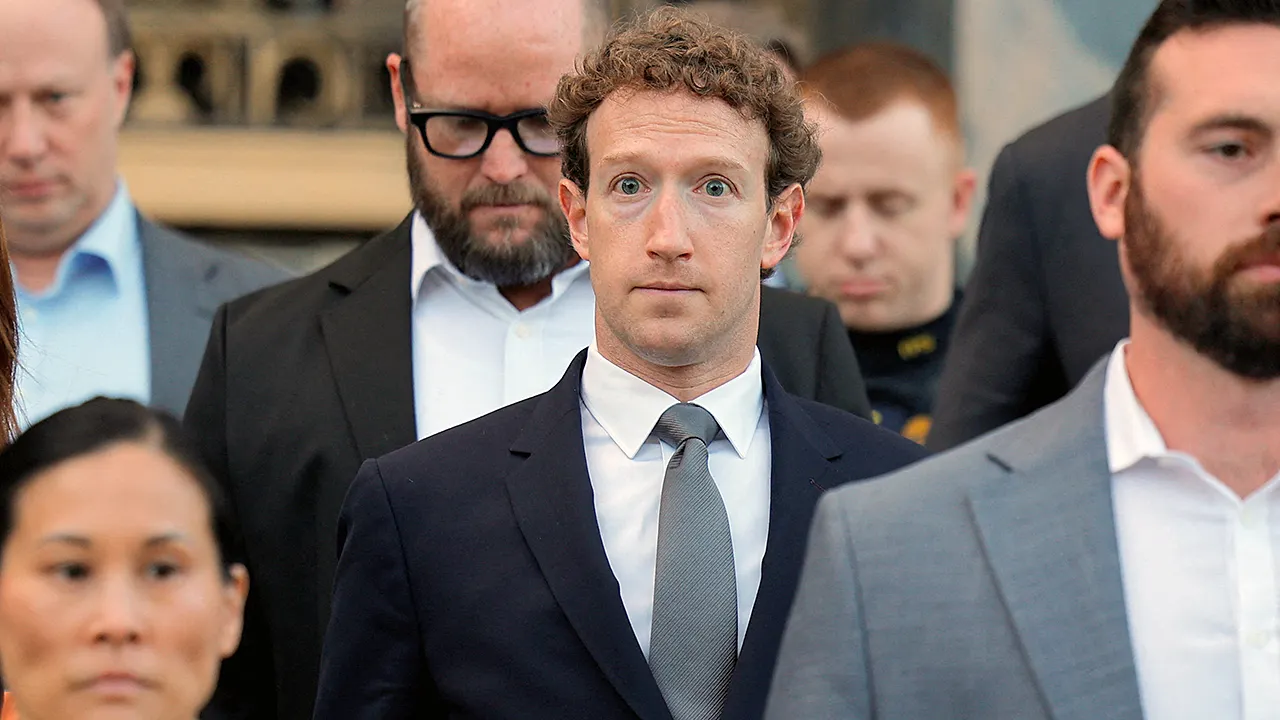
Meta CEO Mark Zuckerberg takes the stand. He insists Instagram aims to deliver value, not addiction. Zuckerberg calls plaintiff arguments misrepresentations of his prior comments on teen safety tools. Meta executives argue no scientific consensus exists on social media addiction. They point to parental controls and time limits as proof of responsibility. Yet jurors see leaked memos that reveal A/B tests boosting session lengths by 20-30%.
Google representatives frame YouTube differently. They highlight educational channels and family settings. Spokesperson José Castañeda stresses YouTube serves 2 billion users monthly with diverse content, not just short-form hooks. The company cites studies showing most kids use it for learning. Jurors counter with data on autoplay keeping young viewers glued for hours, often past bedtime. This disconnect between defense claims and user reality sways the outcome.
Trial watchers note broader implications. Over 100 similar lawsuits pile up nationwide. Plaintiffs in Texas, Florida, and New York cite the same addictive mechanics. Schools report rising teen screen addiction rates, with surveys showing 40% of U.S. high schoolers check phones 100+ times daily. This verdict validates those concerns and pressures platforms to redesign feeds.
Court sketches capture tense moments as lawyers present internal Meta slides on youth engagement tactics.
Plaintiff Victory and Lawyer Insights
K.G.M.’s legal team celebrates a historic win. Attorney Joseph VanZandt tells media that jurors finally review executive testimony and secret files. He claims documents prove companies chose revenue streams over child protection. VanZandt points to Meta’s own research from 2021 that links Instagram to body image issues in 32% of teen girls. This internal admission undermines defense narratives.
The plaintiff details her journey. K.G.M. starts using platforms at age 11 with a parent’s phone. By 14, she averages 5 hours daily across apps. Grades drop, friendships fade, and depression sets in. Therapists diagnose behavioral addiction linked to dopamine hits from likes and views. She sues at 18 after failed self-regulation attempts. Her story resonates because millions of parents echo similar experiences with their kids.
Experts testify on brain science. Neuroscientists explain how teen brains crave novelty, making infinite feeds 10 times more potent than TV. Algorithms learn habits in days and serve personalized traps. One study shows YouTube kids’ sessions average 74 minutes, triple prior benchmarks. Jurors grasp how features like Snapchat streaks and TikTok For You pages engineer compulsion.
This ruling ripples through tech policy. Lawmakers in California push bills for age verification and default limits. The FTC probes deeper into youth data practices. Platforms face $1 billion in potential liabilities if patterns hold. K.G.M. hopes her case sparks change, telling reporters she wants safer spaces for the next generation.
Meta’s Double Legal Blow and Future Appeals
Meta stumbles twice in 48 hours. Yesterday, a New Mexico jury fines the company $375 million over child safety failures. That case focuses on unmonitored direct messages leading to predator contacts. Meta promises appeals there too, calling verdicts inconsistent with safety investments. Combined payouts could exceed $500 million pending punitives.
Appeals hinge on technicalities. Meta argues California law shields platforms from liability for user-generated content. YouTube claims First Amendment protections for recommendations. Both file motions to overturn within days. Supreme Court watchers predict escalation, as justices weigh tech immunity in the Section 230 era. Lower courts split on addiction claims, fueling uncertainty.
We see addiction lawsuits as tipping points. Platforms generate $200 billion yearly from ad models that reward stickiness. Jurors force reckoning: profits versus public health. Google and Meta invest billions in AI moderation, yet core feeds stay unchanged. This pressure accelerates shifts to healthier designs, like chronological timelines or break reminders.
TikTok and Snapchat settlements reveal fear of juries. TikTok pays undisclosed sums, likely millions, to exit quietly. Snapchat follows suit. These moves buy time but expose flank weaknesses. Smaller platforms like Discord face copycat suits, stretching legal resources thin.
Broader market reacts swiftly. Meta stock dips 2% at open. Ad partners question youth targeting ethics. Apple and Google app stores tighten review guidelines. Parents download blockers at record rates. Our team predicts 2026 brings federal mandates, capping daily kid logins at 1 hour.
K.G.M. emerges as a catalyst. Her $3 million award pales against societal costs: $100 billion annual U.S. mental health tab tied to screens. Lawyers file class actions representing thousands. Platforms pivot or pay dearly.
Verdict timelines stretch months. Punitive phases start next week. Appeals drag years. Platforms keep operating amid chaos. Users gain leverage to demand fixes. Tech evolves under scrutiny.
Squaredtech.co tracks these shifts closely. Addiction cases redefine liability. Companies adapt or falter. Safer apps benefit all.
Stay Updated: TechNews