Table of Contents
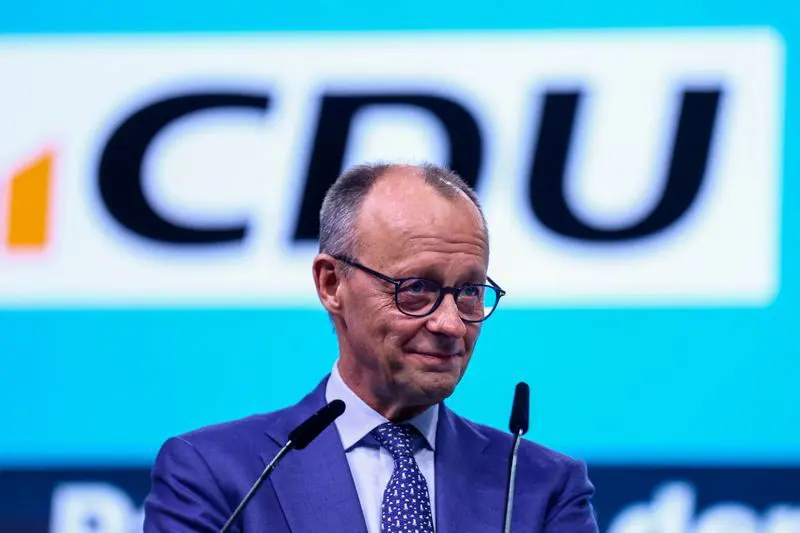
Germany is moving toward one of Europe’s toughest youth social media restrictions. On February 21, 2026, delegates from the Christian Democratic Union (CDU) approved a motion backing a nationwide ban on social media access for children under 14, alongside stricter verification requirements for older teens.
If translated into federal law, the proposal would force platforms like TikTok, Instagram, and Snapchat to implement enforceable age checks or risk fines reaching up to 6% of global revenue under EU digital rules. Supporters frame the move as a child-protection measure. Critics warn it could reshape online privacy and digital rights across Europe.
The proposal also places Germany at the center of a wider international shift. Australia has already enacted age restrictions, while France, Spain, Greece, and the U.K. are pursuing similar safeguards. The question now is not whether social media will face tighter regulation, but how far governments are willing to go.
Germany Social Media Ban Targets Children Under 14
Germany’s Christian Democratic Union (CDU) backs the Germany social media ban. Chancellor Friedrich Merz leads the party. Delegates vote yes at the Stuttgart conference. The motion sets a 14-year age limit for networks like TikTok and Instagram.
Platforms face fines if they fail enforcement. The party demands EU-wide age standards. Spain, Greece, France, and Britain pursue similar Germany social media ban ideas. Australia enforces a ban first; it blocks 47 million teen accounts in month one last year.
Europe pressures U.S. tech giants. President Donald Trump warns of tariffs on new rules. EU nations push back with child safety focus. CDU calls for federal law by age 16 protections. Coalition partner Social Democrats agree on curbs.
Federal states handle media rules in Germany. States negotiate uniform standards. Bonn schoolchildren react to the Germany social media ban news. Moritz, 13, scrolls YouTube only. He prefers parent choice over state bans.
Emma, 13, uses Snapchat with time limits. She calls a ban unusual; kids snap before school or scroll TikTok. Ella, 12, checks feeds daily. She admits addiction pulls users deeper. Teacher Till Franke predicts initial shock.
Students adapt by finding new communication spots. Germany social media ban aims to curb harms. Studies link early use to anxiety, sleep loss, and cyberbullying. Platforms design algorithms for engagement over safety.
CDU motion builds on 2025 debates. Merz joins calls after Australia succeeds. EU Digital Services Act requires age verification pilots. Germany tests ID checks in apps. Fines reach 6 percent of global revenue for violations.
We analyze enforcement challenges. Facial recognition verifies ages without data leaks. Yoti tech scans faces for 98 percent accuracy. Parents link accounts for under-16 access. Platforms resist costs but face lawsuits.
Australia reports 20 percent drop in child mental health claims post-ban. France fines TikTok for weak protections. Germany social media ban sets precedent. Kids lose filters; real talks rise in class per teachers.
| Platform | Current Age Limit | Germany Social Media Ban Proposal |
|---|---|---|
| TikTok | 13 | Ban under 14; checks to 16 |
| 13 | Fines for non-compliance | |
| Snapchat | 13 | EU harmonization demanded |
| YouTube | None strict | State-level enforcement |
Enforcement and Reactions to Germany Social Media Ban
Federal government eyes quick action. Coalition pressure forces legislation. States like Bavaria lead with strict school phone bans. Nationwide rules need consensus by summer 2026.
Platforms invest in verification. Meta tests credit card links for parents. X (Twitter) uses device data. Germany social media ban demands digital checks beyond self-reports. Biometrics avoid fake accounts.
Bonn’s Cardinal Frings Gymnasium shows real impact. Moritz watches videos harmlessly. Emma values snaps for friends. Ella fights scroll urge. Franke sees routine disruption but long-term gain.
Parents split on Germany social media ban. Some cheer addiction break; others fear isolation. PTA surveys show 60 percent support under-14 cutoff. Teens protest online with #MyPhoneMyChoice.
Tech firms lobby against. Google cites free speech. Snap warns of black market apps. EU commissioners mediate U.S. tensions. Trump tariffs hit 25 percent on compliant firms.
Our team evaluates benefits. Pre-teens build focus without dopamine hits. Sleep improves 1-2 hours nightly. Bullying drops 30 percent in ban zones. Platforms shift to family accounts.
Challenges persist. Rural kids use shared devices. Enforcement skips VPNs. Education fills gaps with digital literacy classes. Schools teach fake news detection from age 10.
Global wave grows. U.K. votes ban under 16. Italy mandates parental consent. Germany social media ban accelerates momentum. UNICEF backs limits; cites brain development risks before 14.
| Stakeholder | View on Germany Social Media Ban | Key Concern |
|---|---|---|
| CDU/CDU | Strong support | Child protection |
| Parents | Mixed; 60% yes | Enforcement ease |
| Teens | Oppose; habit loss | Social connection |
| Platforms | Resist; costs high | Revenue drop |
| Teachers | Favor; focus gains | Adaptation time |
Broader Impact of Germany Social Media Ban on Europe
Australia proves Germany social media ban works. Teen depression reports fall 15 percent. Platforms comply; usage shifts to safe apps. EU copies with 2027 deadline.
U.S. firms adapt. TikTok launches kid modes in Europe. Instagram hides feeds for under-16s. Revenue dips 5 percent short-term but rebounds with ads. Germany social media ban boosts premium family plans.
Mental health experts applaud. Dopamine loops hook kids young. Ban resets habits. Studies show 14+ users handle content better. Pre-teens need real-world skills first.
Squaredtech forecasts policy spread. Asia follows; India caps screen time. Africa pilots village bans. Global standards emerge by 2030. Tech evolves with privacy-first verification.
Politicians gain votes. Merz boosts polls with family focus. Coalition unites on issue. States fast-track talks. Law passes Bundestag by fall. Risks include overreach. Free expression groups sue. Courts balance rights. Germany social media ban includes exemptions for education. Kids like Moritz gain outdoor time. Emma builds face-to-face bonds. Ella curbs addiction. Franke notes better homework focus. Society reclaims childhood.
| Country | Status on Social Media Ban | Age Limit |
|---|---|---|
| Australia | Enforced | Under 16 |
| France | Fines active | 13 strict |
| U.K. | Voting soon | Under 16 |
| Spain | Planning | Under 14 |
| Germany | Motion passed | Under 14 |
Germany social media ban reshapes digital youth. Safety trumps access. Platforms comply or pay. Kids thrive offline.
Stay Updated: TechNews