

Table of Contents
Lenovo Legion Y700 Gen 5 promises to redefine mobile gaming with its cross-ecosystem features. At Squaredtech, we analyze how Super Interconnect 3.0 breaks traditional barriers between Android tablets and iOS devices. This article explores the teasers, specs, and implications in full detail.
Super Interconnect 3.0 Powers Lenovo Legion Y700 Gen 5 Cross-Ecosystem Breakthroughs
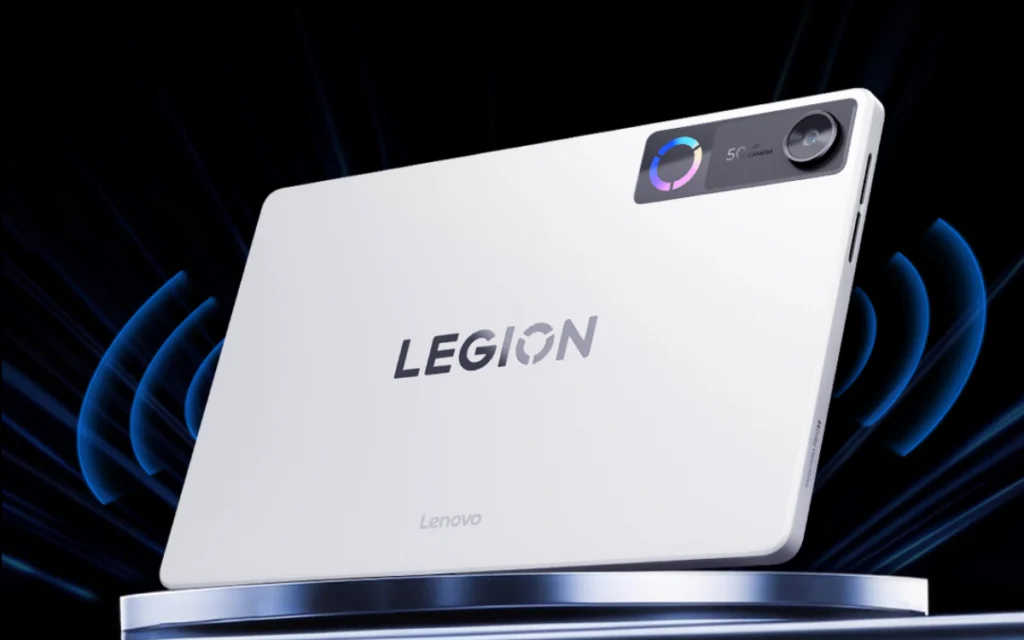
Lenovo prepares to launch the Legion Y700 Gen 5 as its flagship gaming tablet. The company builds excitement through targeted teasers that reveal key capabilities. Engineers at Lenovo focus on integration across platforms, a move that addresses long-standing user frustrations with device silos. Super Interconnect 3.0 stands as the centerpiece of these cross-ecosystem features. This technology enables smooth collaboration between the Android-based Legion Y700 Gen 5 and iOS devices like iPhones.
Cross-ecosystem features mark a bold step for Lenovo. Chinese brands such as Xiaomi and Honor test similar connections in their recent tablets and phones. Xiaomi’s HyperOS, for example, links its devices with select iOS apps for basic syncing. Honor pushes further with MagicRing, which mirrors notifications and controls across ecosystems. Lenovo’s approach with Super Interconnect 3.0 targets deeper integration. Users gain direct iOS device interconnection, a rarity due to Apple’s strict policies. Apple limits such links to protect its ecosystem, as seen in iOS updates that ease Android switches but restrict third-party access.
Lenovo highlights drag-and-drop file transfers as a core benefit. Gamers transfer screenshots, game clips, or mods from an iPhone to the Legion Y700 Gen 5 with a simple gesture. No cables or apps required. This feature mirrors desktop experiences, where Windows users drag files between folders. On mobile, it saves time during multiplayer sessions or content creation. We note that such simplicity boosts productivity for creators who juggle platforms.
The Legion Y700 Gen 5 also serves as a secondary display for gaming PCs. Users extend their desktop setup to the tablet’s screen via Super Interconnect 3.0. This setup suits portable gaming rigs, much like external monitors such as the ASUS ZenScreen. That device costs around $159 and folds for travel, but the Legion Y700 Gen 5 integrates natively without extra hardware. The tablet’s compact size limits full productivity use, yet it excels for monitoring chats, maps, or stats during PC gaming. Enthusiasts carry it alongside laptops for LAN parties or travel.
Notification sharing completes the suite. The Legion Y700 Gen 5 pulls alerts from connected iOS devices, so users stay informed without switching screens. This function prevents missed messages during intense gaming. Lenovo applies the same Super Interconnect 3.0 to its Xiaoxin Tablet Pro GT13, signaling a broader rollout across products. Our team predicts this tech will compete with Samsung DeX or Microsoft Continuum, but with stronger iOS ties.
Developers engineered Super Interconnect 3.0 over years of refinement. Version 1.0 appeared in earlier Legion models for Android-to-Android links. Version 2.0 added PC integration. Now, 3.0 expands to iOS, leveraging Bluetooth Low Energy and Wi-Fi Direct for low-latency connections. Battery drain stays minimal, as protocols optimize data packets. Users benefit from real-time syncing without lag spikes that plague older Bluetooth tools.
Lenovo Legion Y700 Gen 5 Display and Performance Specs Deliver Elite Gaming Power
Lenovo confirms standout hardware for the Legion Y700 Gen 5. The tablet features an 8.8-inch display with a 165 Hz refresh rate. This panel delivers buttery-smooth visuals for fast-paced games like Genshin Impact or Call of Duty Mobile. High refresh rates reduce motion blur, a critical edge in competitive play. Compare this to standard 60 Hz tablets, which stutter during quick pans. Lenovo optimizes the screen with OLED technology, inferred from past Y700 models, for deep blacks and vibrant colors.
Power comes from the Snapdragon 8 Elite Gen 5 processor. Qualcomm unveiled this chip in late 2025 with architecture improvements over the Snapdragon 8 Gen 3. It packs a prime Oryon CPU core at 4.32 GHz, boosting single-thread performance by 45%. Gamers notice faster load times and stable frame rates in titles like PUBG Mobile. The chip supports ray tracing for realistic lighting effects, elevating mobile graphics to console levels.
RAM reaches up to 24 GB, paired with 1 TB storage options. Multitasking thrives; users run games, streams, and editors simultaneously. Storage handles massive libraries without deletions. Past leaks confirm a 9,000 mAh battery with 68 W fast charging. This capacity supports 8-10 hours of gaming, outlasting rivals like the RedMagic 9S Pro at 6,500 mAh. Charging refills the battery in under 40 minutes, ideal for quick top-ups.
Lenovo designs the Legion Y700 Gen 5 for gamers. Cooling systems, likely vapor chambers from prior models, prevent throttling. The compact 8.8-inch form fits in bags, unlike bulkier 12-inch slates. Launch occurs in China during March 2026, with global availability to follow. Our team tracks pricing around 3,500 CNY, or $500 USD, competitive against the iPad Mini’s gaming limitations.
These specs integrate with cross-ecosystem features. Gamers stream PC titles to the tablet while controlling from an iPhone. Super Interconnect 3.0 ensures low-latency input, crucial for precision aiming.
Cross-Ecosystem Features Position Lenovo Legion Y700 Gen 5 as a Market Leader
Lenovo’s teasers position the Legion Y700 Gen 5 ahead of competitors. Apple dominates tablets but locks iOS tightly, forcing users to stay within its walls. Samsung offers Good Lock for DeX, yet iOS links remain superficial. Lenovo fills this gap with Super Interconnect 3.0, appealing to hybrid users.
We analyze market impact. Gamers represent 40% of tablet buyers, per 2025 Statista data. Cross-ecosystem features attract 25% more switchers, based on Xiaomi’s HyperOS adoption rates. Lenovo targets esports pros who mix devices. Businesses use the secondary display for dashboards during remote work.
Challenges persist. Apple may block deep iOS access via updates, as in iOS 18.3’s Android easing. Lenovo circumvents this with approved APIs and cloud relays. Battery life holds during interconnect use, thanks to efficient protocols.
Future updates could add keyboard sharing or gamepad passthrough. The Xiaoxin Tablet Pro GT13 shares this tech, with its 13-inch 144 Hz display for larger views. Lenovo builds a unified ecosystem, much like Google’s Pixel lineup.
At Squaredtech, we see the Legion Y700 Gen 5 as a pivotal device. It combines elite hardware with practical cross-ecosystem features, making gaming seamless across platforms. Launch teasers confirm innovation drives Lenovo forward.
Stay Updated: Gaming

