

Table of Contents
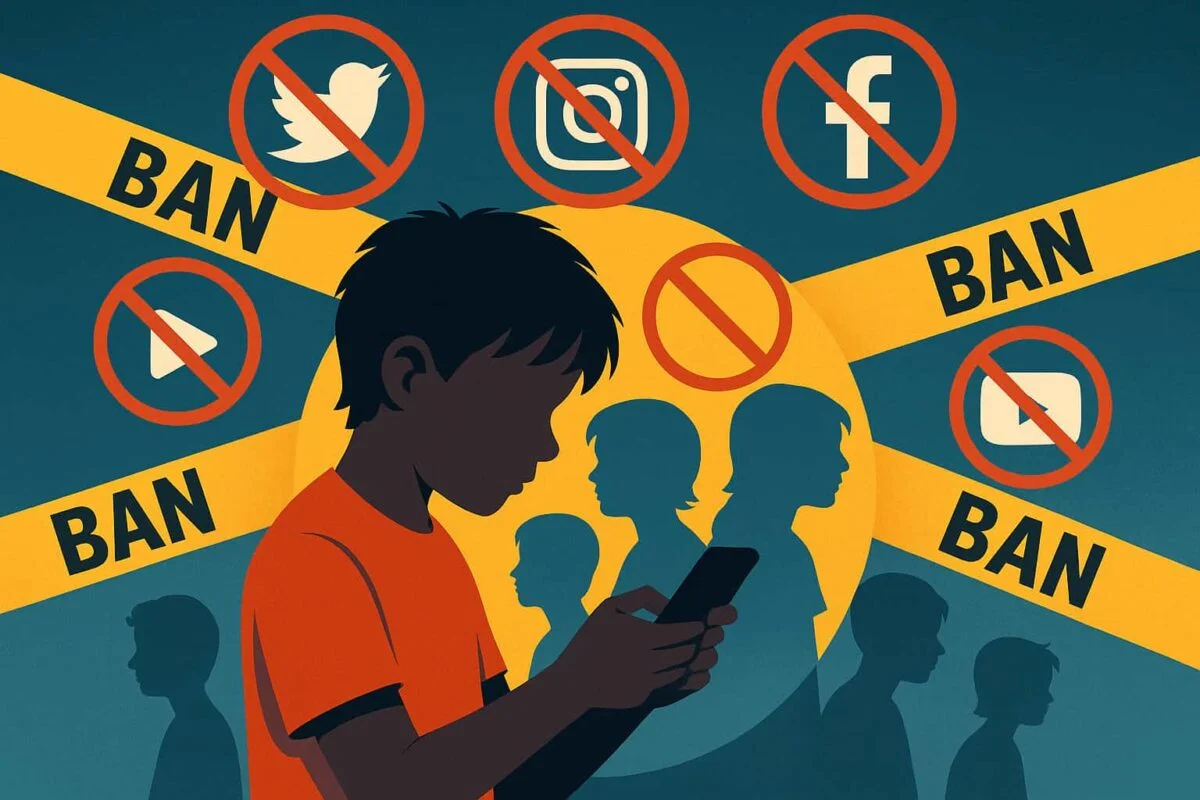
A social media ban for children is moving from political debate to active law in several countries. At SquaredTech.co, we see this shift as a coordinated policy response to rising concerns about youth mental health, online harassment, and digital addiction. Australia became the first nation to enforce a nationwide restriction in December 2025. The law blocks users under 16 from accessing platforms such as Facebook, Instagram, Snapchat, TikTok, X, YouTube, Reddit, Twitch, and Kick. Messaging services like WhatsApp and YouTube Kids remain outside the restriction. The Australian government requires companies to apply verified age checks rather than rely on self declared birthdates. Firms that fail to comply face fines that can reach tens of millions of Australian dollars. This enforcement model places the burden on platforms rather than parents.
Europe Tests Age Limits And Verification Systems
Following Australia’s decision, several European governments advanced similar proposals. Denmark plans to prohibit social media access for children under 15 and is preparing age verification tools through a state backed digital evidence application. France passed legislation in its lower house to restrict access for users under 15, with President Emmanuel Macron supporting the measure. The bill awaits Senate approval.
Germany debated a proposal to set the minimum age at 16, though coalition partners remain divided on an outright prohibition. Greece signaled that it is close to announcing a similar restriction for users under 15. Slovenia is drafting legislation that would limit access to platforms where user generated content spreads rapidly, including TikTok, Snapchat, and Instagram. Spain proposed a ban under 16 and is also considering rules that would hold platform executives personally accountable for hate speech violations. Meanwhile, the United Kingdom is reviewing whether a ban under 16 would reduce harm, and it is studying limits on features such as endless scrolling that drive compulsive use.
Asia Joins The Policy Shift
The push extends beyond Europe. Malaysia announced plans to bar children under 16 from social media and aims to implement the measure this year. These proposals reflect a shared concern that digital exposure at a young age creates long term behavioral and psychological risks. Governments cite cyberbullying, exposure to harmful content, and contact with predators as primary drivers behind the legislation.
Critics question whether blanket bans can work in practice. Advocacy groups argue that invasive age verification systems may threaten user privacy and expand state oversight of online identity. They also claim that bans overlook how deeply digital communication shapes modern childhood. From our editorial perspective, the central issue is enforcement. Effective age checks require identity validation methods that balance accuracy with privacy safeguards.
In the near term, more governments will test variations of the social media ban for children. Some will enforce strict age cutoffs. Others will focus on limiting addictive design features. The policy trend is clear. Lawmakers no longer treat youth social media use as a private family matter. They now frame it as a public health and safety issue that requires direct regulation.
Stay Updated: Tech News

