

Table of Contents
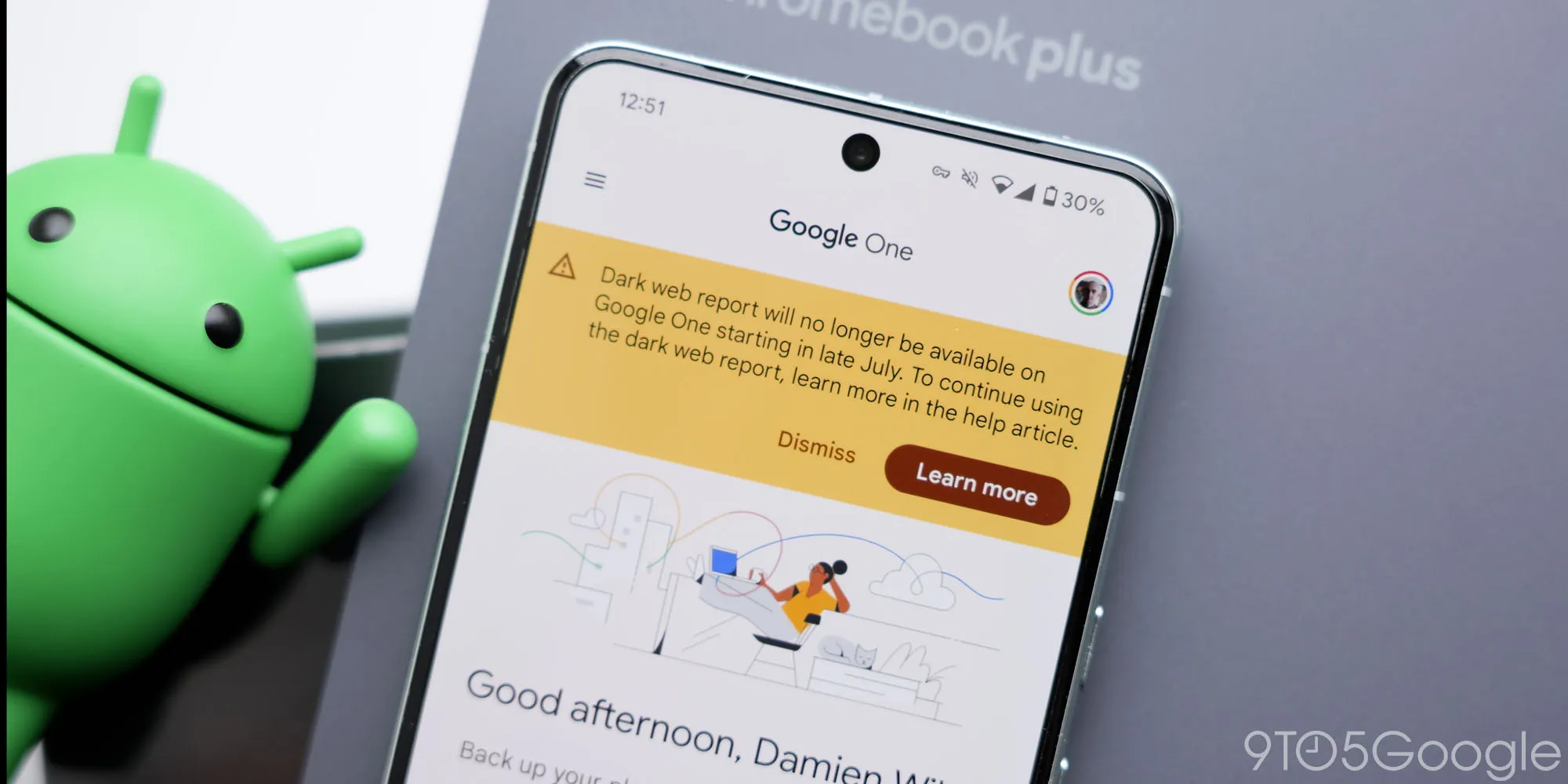
Google has confirmed that its Google dark web report feature will shut down in early 2026. This decision ends a short lived attempt by Google to offer direct visibility into whether user data appeared in underground breach databases. While the feature promised awareness, feedback shows it failed to deliver clarity. SquaredTech explains why Google is ending the Google dark web report, what users should expect next, and how this change reflects a larger shift in consumer security tools.
The Google dark web report launched about eighteen months ago with a clear goal. The feature aimed to scan known breach dumps and alert users if personal data appeared for sale or trade. Users could see alerts tied to email addresses, phone numbers, home addresses, and in some cases Social Security numbers. The idea sounded powerful. In practice, many users felt stuck once alerts appeared. Google now says that gap drove the shutdown decision.
Why Google is ending the Google dark web report feature
Google confirmed that the Google dark web report feature will stop working for new scans on January 16 2026. The full shutdown will occur on February 16 2026. After that date, Google will delete all related monitoring data from its servers.
According to Google support documentation, the decision came after user feedback showed that the feature did not provide clear next steps. The alerts told users that personal data appeared in breach databases. The alerts did not clearly identify which services leaked the data. The alerts also did not guide users through recovery steps beyond general advice.
Users echoed this frustration across online forums. Many reported that after receiving an alert, they could only guess which account caused the breach. Some users changed multiple passwords without knowing which service triggered the warning. Others felt anxiety without resolution. From SquaredTech’s editorial view, awareness without direction often increases stress instead of security.
Google acknowledged this issue in its official explanation. The company stated that it plans to focus on tools that give users clearer and more actionable steps to protect personal information online. This statement signals a shift away from passive alerts toward guided security actions.
Another factor involves responsibility. Monitoring dark web data carries legal and ethical weight. Breach data often circulates without context. A platform that flags exposure without clarity risks misleading users. SquaredTech notes that Google likely weighed these risks when reviewing the feature’s impact.
The short lifespan of the Google dark web report also shows how difficult consumer focused breach monitoring can be. Identifying data is easier than helping users fix the damage. That gap became the feature’s weakness.
How the Google dark web report worked and where it fell short
The Google dark web report allowed users to create a monitoring profile. Users entered personal identifiers such as email addresses, names, phone numbers, and national identification numbers. Google then scanned known breach repositories for matches. When a match appeared, users received an alert through their Google account.
For many users, the first alert confirmed fears about widespread data leaks. Major breaches over the past decade exposed billions of records. Seeing confirmation inside a trusted Google interface felt reassuring at first. The problem started after that moment.
The alerts often lacked source detail. Users knew their data appeared somewhere. They did not know where. Without knowing the source, users could not take focused action. They could not contact a company. They could not assess whether the exposed account still mattered. Some breaches involved old services that users no longer used.
Another issue involved repetition. Users received alerts for data that had circulated for years. The tool did not always distinguish between recent exposure and historical leaks. That reduced urgency and trust.
SquaredTech also observed that the tool blurred lines between risk levels. An exposed email address does not carry the same risk as an exposed Social Security number. The Google dark web report did not always explain severity differences clearly. Users had to interpret risk themselves.
Reddit discussions captured these gaps well. Many users described the tool as informative but incomplete. Some stopped checking alerts because they felt powerless. That outcome runs against the purpose of security tools.
Google appears to have taken this feedback seriously. Ending the Google dark web report avoids continuing a feature that raises alarms without offering solutions.
What replaces the Google dark web report for user protection
Google says it will redirect focus to tools that support clearer action. These tools already exist across Google accounts and browsers. SquaredTech reviewed how these tools compare to the Google dark web report.
Security Checkup remains a core feature. It reviews account recovery options, device access, and recent security events. It guides users step by step through risk reduction. This contrasts with the dark web report approach, which stopped at notification.
Google Password Manager also plays a larger role. It generates unique passwords and stores them securely. Strong unique passwords reduce damage when breaches occur. Google Password Checkup adds another layer by alerting users when saved passwords appear in known breaches.
Unlike the Google dark web report, Password Checkup ties alerts to specific accounts. Users see which login needs attention. This direct link enables fast action.
Google also continues to invest in account activity alerts and suspicious login detection. These tools focus on prevention and response rather than exposure awareness alone.
From SquaredTech’s view, this shift makes sense. Users benefit more from tools that guide action than from tools that describe risk in abstract terms. Awareness matters, but guidance matters more.
Still, the removal of the Google dark web report leaves a gap. Some users valued visibility into breach databases. They may now turn to third party monitoring services that specialize in identity protection. These services often charge fees and vary in quality.
What users should do before the Google dark web report shutdown
Users who enabled the Google dark web report should take steps before the shutdown dates. Google will delete monitoring data automatically after February 16 2026. Users who want to manage data earlier can do so manually.
To delete a monitoring profile, users can open Results with your info within their Google account. From there, they can select Edit monitoring profile and choose Delete monitoring profile at the bottom of the page. This removes stored identifiers before automatic deletion.
Scanning for new breach data will stop on January 16 2026. Alerts after that date will not appear. Users should not rely on the tool beyond that point.
SquaredTech recommends that users use this moment to review passwords across important services. Email accounts, financial services, and cloud storage deserve priority. Enabling two step verification where available adds further protection.
Users should also review account recovery options. Updated phone numbers and backup email addresses help prevent lockouts during attacks.
The end of the Google dark web report does not increase breach risk directly. Breaches occur regardless of monitoring tools. The change affects how users learn about exposure. Staying proactive remains essential.
What the Google dark web report shutdown signals for consumer security tools
The shutdown highlights a broader trend in consumer security. Tools that provide raw data without guidance struggle to maintain trust. Users want clarity and action. Platforms now aim to simplify security decisions rather than expand dashboards.
Google’s decision also shows restraint. Ending a feature can signal maturity when feedback shows limited value. SquaredTech views this as a pragmatic move rather than a retreat from security investment.
The company’s statement confirms that Google will continue tracking online threats, including dark web activity. The difference lies in how that information reaches users. Future tools may surface risks only when direct action is possible.
This approach aligns with how browsers already warn users about unsafe sites or compromised passwords. The warning appears with a fix, not just a problem.
For users, the lesson is clear. No single tool guarantees protection. Security works best as a system of habits supported by clear software prompts.
Final thoughts on the Google dark web report shutdown
The Google dark web report shutdown closes a brief chapter in consumer data monitoring. The feature raised awareness but fell short on follow through. Google chose to end it rather than maintain a tool that left users uncertain.
At SquaredTech, we see this change as part of a larger recalibration in digital safety design. Platforms now prioritize guidance over alerts. Users gain more value when tools show exactly what to do next.
As February 2026 approaches, users should review their security posture and adjust habits. Password hygiene, recovery planning, and account alerts remain strong defenses.
Stay Updated: Tech News

