Table of Contents
The latest PlayStation Portal update expands cloud streaming support and adds long requested features. On paper, it looks like a major step forward. In practice, the update exposes a deeper issue. PlayStation Portal still depends fully on cloud delivery. That single design choice limits its usefulness and highlights why Sony needs a real handheld console again.
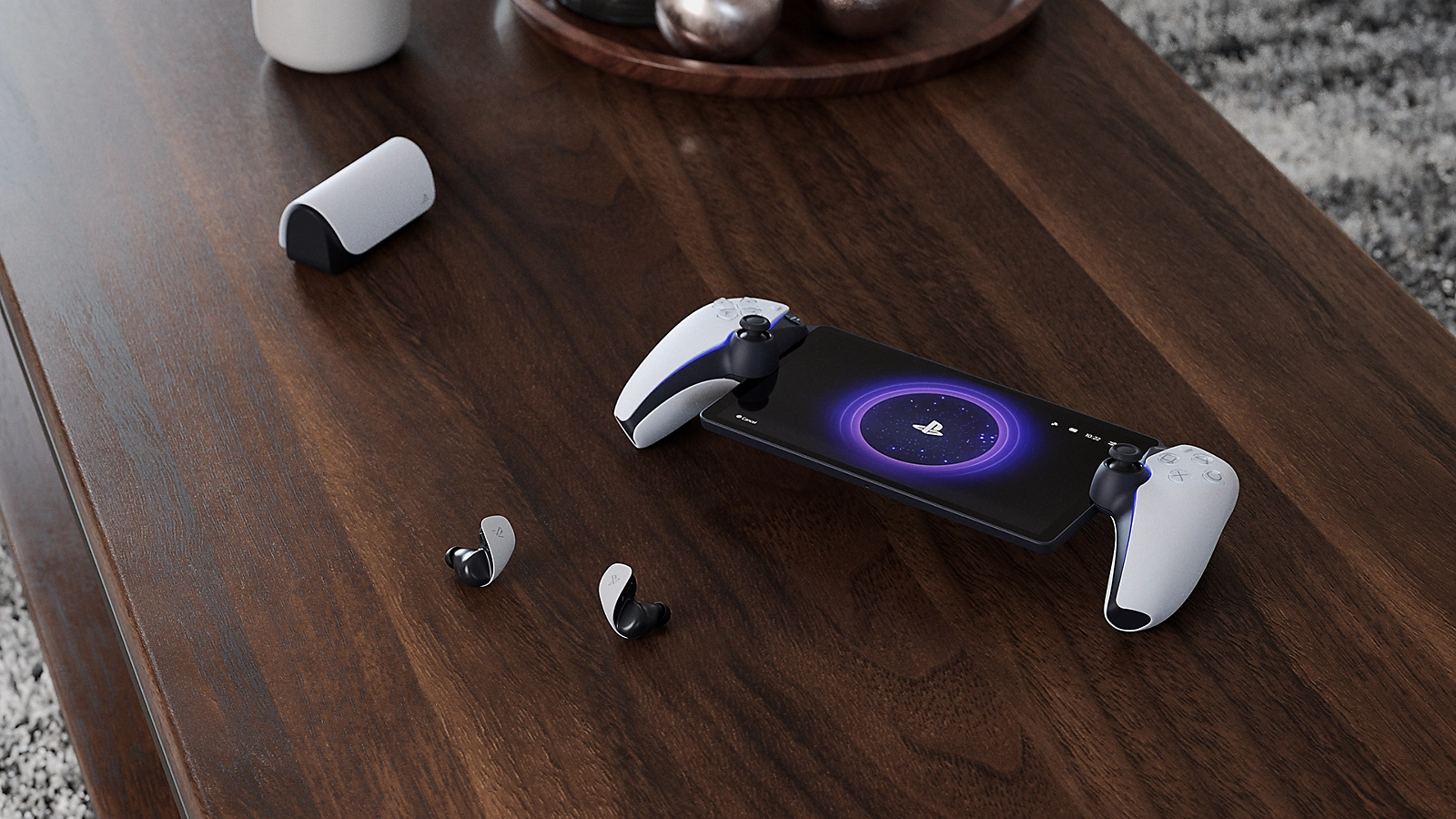
PlayStation Portal launched in November 2023 as a companion device for PlayStation 5. Sony never positioned it as a standalone system. The hardware has no local processing power for games. It acts as a screen and controller that streams content from a PlayStation 5 or from Sony servers using cloud streaming. Despite that narrow goal, PlayStation Portal found strong demand. Sony leadership later confirmed it exceeded internal expectations.
This success explains why Sony keeps adding features to PlayStation Portal. Each update tries to stretch the device closer to what players actually want. Players want portable access to their PlayStation games without friction. The newest update takes cloud streaming out of beta and allows many digitally owned games to stream directly to the device. This change expands the playable library from a limited PlayStation Plus catalog to thousands of purchased titles.
PlayStation Portal Cloud Streaming Expands but Core Limits Remain
The most important part of the PlayStation Portal update is the expansion of cloud streaming. Previously, cloud access only applied to a rotating list of PlayStation Plus Premium games. If a title was not installed on a local PlayStation 5 or part of that catalog, the Portal could not play it. The new update removes that restriction for many digital purchases. If a game is tied to a PlayStation account, it can now stream directly from the cloud.
Sony still requires a PlayStation Plus Premium subscription for this feature. That tier costs one hundred sixty dollars per year. This places cloud streaming behind a high paywall. Sony likely sees this as a way to boost recurring revenue. From a user view, it adds another cost layer to portable play.
The expanded library is large. At the time of writing, more than three thousand games support cloud streaming on PlayStation Portal. This includes major role playing games, action titles, and long form experiences that many players struggle to finish at home due to time limits. In theory, this makes PlayStation Portal a flexible option for short sessions away from the television.
Sony also added practical features. Players can now buy downloadable content and in game currency while using cloud streaming. Multiplayer invites now appear during cloud sessions. Accessibility options improved with screen reader support and adjustable text sizes. These changes reduce friction and bring cloud play closer to the standard PlayStation experience.
From a design view, Sony tries to remove every excuse for cloud streaming failure except one. That remaining issue is network quality.
Sony states that PlayStation Portal needs a minimum of five megabits per second and recommends fifteen megabits per second for better play. Real world use tells a different story. Even connections that exceed those numbers often fail to launch games. Public Wi Fi networks struggle with latency, packet loss, and congestion. These issues break game streaming even when speed tests look acceptable.
In testing across cafés and shared networks, connection speeds between fifteen and thirty seven megabits per second still failed to start games. Error messages varied but results stayed the same. Games did not launch. In contrast, a private home connection with speeds above eight hundred megabits per second worked reliably. This gap exposes how fragile cloud streaming remains outside controlled environments.
PlayStation Portal Success Shows Demand for True Portable Play
Despite these limits, PlayStation Portal continues to sell well. Sony executives describe it as the most used device for PlayStation Remote Play. This success matters because it reflects unmet demand. Players want PlayStation games beyond the living room. They accept compromises because no better option exists inside the PlayStation ecosystem.
Sony has faced this situation before. The PlayStation Portable achieved massive success with over eighty million units sold. Its successor, the PlayStation Vita, failed to reach similar numbers. Sony retreated from handheld hardware after that period. The market changed since then.
Nintendo reshaped portable gaming with the Switch. The Switch removed the divide between handheld and home console. It allowed the same games to run locally in both modes. This approach defined modern expectations. Players no longer accept reduced experiences on the go.
Valve reinforced this shift with the Steam Deck. PC players gained portable access to their full libraries without cloud dependence. Other manufacturers followed with similar devices. Even Microsoft entered the space through partnerships and cross platform initiatives.
Against this background, PlayStation Portal feels like a partial response. It acknowledges demand but avoids the hardware commitment required to meet it fully. Cloud streaming serves as a shortcut. It avoids battery drain, thermal design, and local processing challenges. It also avoids manufacturing risk. However, it transfers risk to network reliability, which Sony does not control.
The latest update proves Sony understands continuity matters. Players want to continue progress across devices. They want access to owned games anywhere. Cloud streaming tries to deliver this through servers. Real handheld hardware delivers it through silicon.
Why PlayStation Portal Strengthens the Case for a New Sony Handheld
Rumors suggest Sony explores a new handheld system. Some reports claim the device could run PlayStation 5 games locally with reduced power use. Others suggest a hybrid model that docks for higher performance at home. None of this is official, but technical hints support the idea.
Sony introduced a Power Saver mode on PlayStation 5 that reduces energy use by lowering performance demands. This change helps environmental goals. It also aligns with handheld needs. Lower power draw improves battery life. Reduced heat simplifies cooling. These traits matter for portable hardware.
A true handheld would solve the PlayStation Portal problem directly. Local processing removes network dependency. Players could use portable play on trains, cafés, and flights. Progress sync could happen when a connection becomes available instead of during play.
Cloud gaming would still have a role. It could support instant access or reduce storage use. It should not be the primary delivery method for portable gaming. Current infrastructure cannot support that role reliably.
PlayStation Portal cannot escape this limitation because it lacks local compute power. No update can fix that. Each new feature highlights the same gap. The device works best at home. That defeats the promise of mobility.
From an editorial view at SquaredTech, the conclusion is clear. PlayStation Portal succeeded because players want portable PlayStation gaming. It failed because cloud streaming cannot deliver that experience consistently. Sony now faces a choice. Continue stretching an accessory beyond its limits or commit to dedicated portable hardware again.
History shows Sony can build strong handhelds. Market trends show demand exists. Competition shows the risk of delay. PlayStation Portal proves the need more than any sales chart could.
Stay Updated: Gaming