

Table of Contents
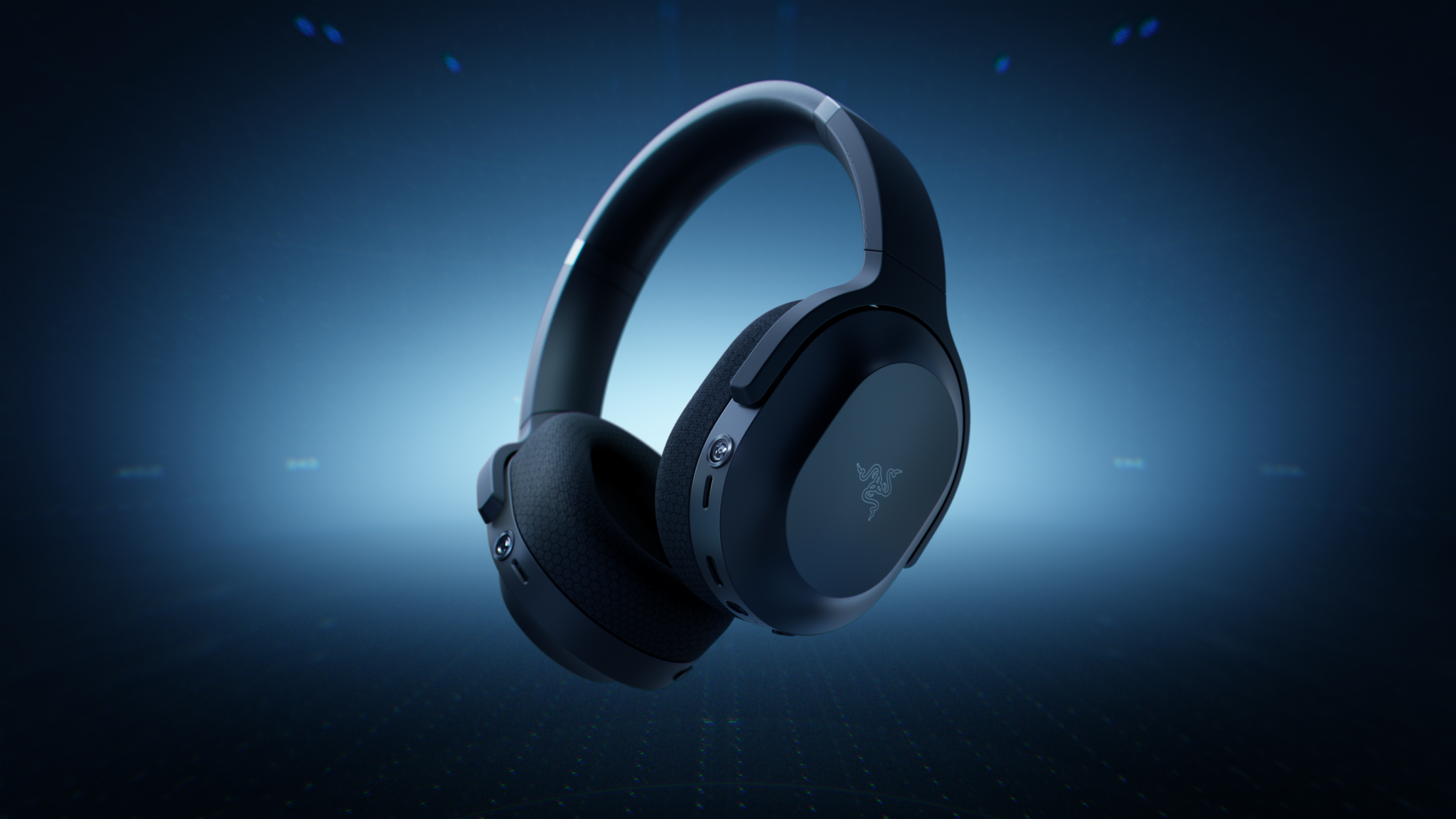
At Squaredtech we track CES 2026 closely because the event often introduces ideas that challenge how consumers use devices in homes, workplaces, and gaming stations. CES twenty twenty six produced many unusual concepts, yet Project Motoko drew rapid attention from gamers and wearable watchers. Razer presented this headset prototype with a statement that it plans to push gaming accessories far beyond sound delivery.
CES 2026 crowd reacts to Project Motoko AI headset experiment
Razer has built a reputation for bold prototypes at CES that test how users might stretch daily habits. Project Motoko fits that pattern. At a glance it looks like a standard gaming headset built for competitive matches, spatial audio, and party chat. Behind that surface however sits a plan to combine entertainment, productivity, and computer vision into one wearable form.
Razer explained that the headset attempts to act as a multi purpose device that follows users through daily tasks instead of staying tethered to gaming desks. Motoko sits on the head in a position players already accept. This placement removes the need for phones in hand or digital glasses on the nose. Razer hopes that familiarity will help people accept a more capable assistant without changing their equipment routine.
AI integration and cross platform assistant access
Razer stated that Project Motoko connects to major AI systems. The company listed Gemini and services powered by OpenAI as examples. This feature means users do not need to adopt unfamiliar software. They can stay with AI tools they already trust. Access to multiple platforms also suggests that the headset could act like a gateway rather than a walled garden.
One of the most striking features is the addition of forward facing cameras. These cameras support real time recognition of objects and printed text. Razer highlighted language translation and document scanning as early demonstrations. This suggests that users can scan a menu, a worksheet, or a manual and receive spoken guidance while gaming or moving around a room.
This shift follows a growing wearable trend. Tech brands are searching for ways to let customers gather information without constant screen contact. Smart glasses occupy that mission today. Adoption has been slow due to style concerns and social anxiety about cameras near eyes. Razer believes that repositioning those cameras onto a gaming headset may reduce that discomfort and widen interest.
The headset contains several microphones that detect voice accurately from different angles. These microphones allow users to wake AI assistants, ask questions, request schedules, and issue reminders. The microphones also support classic voice chat during games. In practice a user could research a topic or translate printed lines without interrupting play.
The feature list shows how accessory categories are shifting. Headsets were once passive audio devices. Motoko suggests that they could rise to the level of primary control hubs for digital life. If gamers accept this role the change could move AI assistance into living rooms, dorms, and offices without a fight over new hardware habits.
Comparison to smart glasses and wearable adoption hurdles
Project Motoko’s abilities place it near products already on sale. Numerous smart glasses ship with translation tools, voice control, and AI based scene understanding. The key difference lies in the form factor. Glasses alter appearance and sometimes interfere with prescription needs. A headset avoids those barriers. Gamers already accept its presence and weight.
Public conversation often circles privacy. Glasses place cameras near eyes which sparks discomfort during social contact. Project Motoko shifts the cameras to the forehead area. This change could influence acceptance because the device blends into familiar gaming gear. People feel less self conscious wearing equipment they already associate with entertainment.
Comfort, battery performance, lighting conditions, and accurate scene detection represent open questions. Razer did not provide details at CES because Project Motoko remains a concept. The company also did not share release windows or cost expectations. This silence signals that Razer expects more feedback and testing before mass production.
At this stage smart glasses maintain an advantage because customers can purchase them today. Early adopters can buy into that vision immediately. Motoko lives in exploration space. Razer may judge that long term returns justify the risk because gamers form one of the most enthusiastic user groups for new technology.
Project Motoko signals a broader shift in gaming and accessory design
We evaluate emerging tech using two tests. First does the product solve daily frustrations. Second does the concept fit existing user patterns. Project Motoko may satisfy both for many buyers. Gamers constantly switch between apps, study material, and entertainment screens. Bringing voice controlled AI and scene recognition into a headset simplifies that routine.
The bigger impact reaches beyond this prototype. AI functions are spreading from laptops and phones into accessory layers. Speakers answer questions. Rings track biometrics. Microphones hear commands from several meters away. A headset that merges sound, voice, and vision marks another step in that movement. It suggests that AI will soon live everywhere rather than occupy one primary device.
Hardware companies are racing to define their entry point. Some bet on eyewear. Others experiment with pins, rings, or wrist devices. Razer banks on a familiar frame trusted by gamers. If that strategy works Project Motoko could invite millions of players into wearable computing without the awkward transition tied to glasses.
For now the story stops at a public reveal. Project Motoko stands as a demonstration of ambition rather than a final product. Yet the buzz at CES suggests that users want a device that merges play and productivity. If Razer invests effort and solves practical concerns this concept could reshape how people access AI during daily life.
Project Motoko deserves close ongoing attention. It may never ship as shown. Yet even as a prototype it challenges assumptions about accessories and daily computing habits. CES twenty twenty six may be remembered as the year gaming headphones attempted to transform into assistants ready to guide users through school, travel, and entertainment.
Whether Razer commits to production or inspires rivals does not change the signal. Project Motoko proves that headsets may evolve into multi purpose devices. The next phase of wearable tech could be closer to ears than eyes.
Stay Updated: Gadgets

