Table of Contents
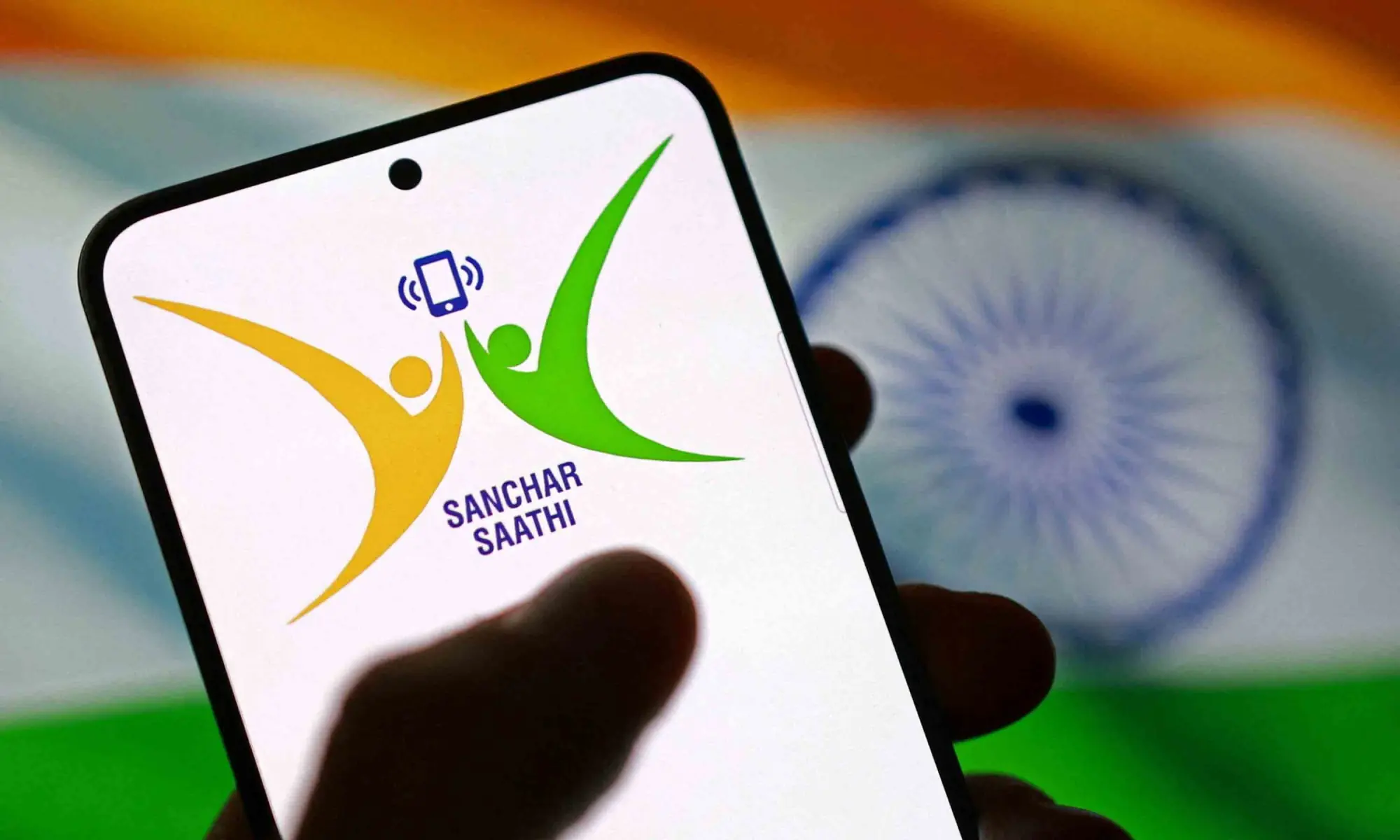
This analysis breaks down the rising tension surrounding the Apple India government app dispute. The Indian government directed major smartphone manufacturers to preinstall a state backed cybersecurity app called Sanchar Saathi on all new devices. The same directive asked companies to push the app to existing devices through a software update and to prevent users from disabling it. Apple reportedly plans to reject the order based on privacy and security concerns, according to sources cited by Reuters.
Apple India Government App Tension Creates A Major Policy Conflict
This situation creates a serious conflict between Indian digital policy goals and Apple’s long standing approach to user privacy. The Apple India government app issue also introduces new questions about how global companies should handle government requests that affect core operating principles. We see this moment as an important test for both sides because it involves device control, user choice, and national cybersecurity strategy.
Apple usually positions privacy as a core element of its product identity. The company repeatedly states that it limits system level access for third party apps, including government backed software. Apple also resists requests that require system level installation of apps that users cannot remove. These policies exist to maintain predictable security boundaries inside the iPhone ecosystem.
Read more on our article, Apple iPhone 17 Production Shifts to India: A Game Changing Move for Apple and the US Market, published on August 27th, 2025 SquaredTech.
India’s new directive challenges these boundaries. The Indian government wants the Sanchar Saathi app to operate as a mandatory tool. The government states that the purpose of the app is to track lost or stolen phones by using the device’s IMEI number. The app already exists in both the App Store and the Google Play Store. Users can download it manually. The requirement to make the app mandatory changes its role from an optional tool into a default system feature.
Apple’s response, based on the Reuters report, suggests a refusal to comply with this new requirement. Industry sources claim Apple will tell India that it does not preinstall government applications because this affects privacy standards. However, Apple will not publicly challenge the government. Apple also will not take the issue to court. This creates a quiet but firm dispute that now shapes the Apple India government app standoff.
India is a major smartphone market. While Apple holds about nine percent market share, the region is seen as a key target for long term growth. That makes the Apple India government app situation more complex. Apple has to balance its privacy commitments with its long term business interests in India.
Samsung, Vivo, and Oppo also received the same order. They hold a much larger share of India’s market. Their response will influence how the directive moves forward. If most companies comply while Apple does not, regulators may increase pressure on Apple. If several companies raise concerns, the directive could face revisions or delays.
The order itself was quietly issued to manufacturers on November 28. It did not appear as a public announcement. The lack of public messaging created uncertainty. Developers, analysts, and rights groups began asking whether the Sanchar Saathi app could be used for data access beyond its stated purpose of preventing theft. This concern exists because the directive attempts to prevent users from disabling the app. A mandatory system app gives a government more continuous access to a device compared to an optional download.
On Tuesday, India’s Minister of Communications Jyotiraditya Scindia stated that the Sanchar Saathi app is “completely optional” and that users can delete it if they want. This statement contradicts the reported details of the written directive. The contradiction created further confusion and deepened concerns over how the government expects companies to comply.
This conflict forms the foundation of the Apple India government app issue. It also frames the deeper questions that follow.
Apple India Government App Dispute Raises New Questions About Privacy, Policy, And Device Control
The Apple India government app conflict highlights a larger debate about how much access a government should have to personal devices. Sanchar Saathi is presented as an anti theft tool. The app can block stolen phones by using IMEI information. The system is useful for regions that deal with high levels of phone theft. It may also help law enforcement track device related crime.
However, several policy experts argue that mandatory installation turns a helpful tool into a system asset that could track device movement without user consent. This concern grows when a government instructs companies to prevent users from disabling the app. Such a rule removes user control. It also removes the transparency that exists when users make a choice to install an app manually.
Apple frequently positions itself as a company that limits government access to user data. The Apple India government app dispute places this policy under pressure. If Apple accepts the directive, it risks weakening the privacy expectation that users associate with iPhones. If Apple refuses the directive, it risks conflict with Indian regulators during a period where the company is expanding manufacturing and sales in India.
Apple’s global history shows consistent resistance to mandatory government apps. For example, Apple refused similar demands in other regions where governments wanted system level control over software distribution. Apple usually states that mandatory apps create security vulnerabilities. A mandatory app can bypass standard review processes or operate with higher system privileges than typical software.
In the case of the Apple India government app conflict, the stakes are higher because India is a major growing market. Local manufacturing policies also encourage foreign companies to build production plants in India. Apple already shifted parts of its supply chain to Indian factories. This shift increases government interest in Apple’s decisions.
The Indian government frames Sanchar Saathi as a public safety tool. The app’s features include IMEI search, device blocking, and mobile number tracking. Each feature helps users secure lost or stolen phones. These functions are common across many security systems. The controversy arises from mandatory installation and lack of user control.
Analysts also note that mandatory apps create risks for digital rights. A government could expand app permissions through future updates. This means that users would not only lose control but also lose clarity about how the app changes over time. Privacy groups say that this kind of system requires careful oversight. They also say that forcing installation removes the key protection that comes from voluntary adoption.
The Apple India government app conflict raises another major issue. It tests India’s relationship with large tech companies. India has introduced strong digital regulations over the past few years. These include data localization rules, social media monitoring requirements, and new content moderation laws. Each rule brought new negotiations between India and global tech firms. The Sanchar Saathi directive is the latest step in this pattern.
For Indian users, the Apple India government app issue connects to basic concerns about choice and control. Users want to decide which apps exist on their phones. They want to avoid mandatory system apps that collect sensitive data. The directive removes this choice.
This situation also affects Android manufacturers. Unlike Apple, Android brands often install multiple system apps due to agreements with carriers and partners. However, a government mandate adds a new layer of pressure. The mandate also affects software updates, because companies would need to push the app to older devices through remote updates. This creates a major technical challenge because updates require testing, security reviews, and compatibility checks.
These factors show why the directive triggered industry wide concern. The Apple India government app dispute sits at the center of a broader debate about digital sovereignty, corporate independence, and user rights.
Apple India Government App Conflict Could Shape Policy, Market Dynamics, And Future Regulation
The Apple India government app conflict has implications that extend far beyond a single app. It could influence how governments write digital rules. It could shape how global companies manage privacy standards in important markets. It could also affect the long term direction of smartphone policy in India.
Apple may argue that mandatory apps reduce trust in device security. If a government can force system level installation, it sets a precedent. This precedent could expand into other categories such as payments, identity apps, health apps, or data monitoring systems. Apple wants to prevent this type of expansion by rejecting the directive early.
India may argue that national cybersecurity tools must exist on all phones to support law enforcement and public safety. India is one of the largest mobile markets worldwide. This gives the government significant influence over global manufacturers.
The Apple India government app conflict could also affect India’s digital infrastructure goals. India wants to strengthen its technology leadership and push for strong digital identity systems. The government uses apps like Sanchar Saathi to support these programs. If global companies push back, India must adjust strategy or increase regulatory pressure.
Manufacturers will watch how India responds to Apple. A strong government response could push companies to comply. A flexible response could open the door to negotiation.
SquaredTech views this dispute as a significant moment. It combines privacy, policy, cybersecurity, device control, corporate responsibility, and user rights. The Apple India government app conflict will guide future decisions in India’s digital sector.
As this issue grows, SquaredTech will continue monitoring developments, industry reactions, and regulatory changes. The Apple India government app dispute shows how technology, policy, and user trust connect in important ways. The final resolution will shape India’s smartphone environment for years.
Stay Updated: Tech News