Table of Contents
As editors at Squaredtech, we analyze the latest in AI hardware trends to help professionals stay ahead. Lenovo unveiled its AI Workmate Concept at MWC 2026, a standalone desk device that redefines office efficiency. This concept pairs local AI processing with practical tools. It scans documents, projects presentations, and offers companionship. We see this as a game-changer for remote and hybrid workers who need smart aids without cloud dependency.
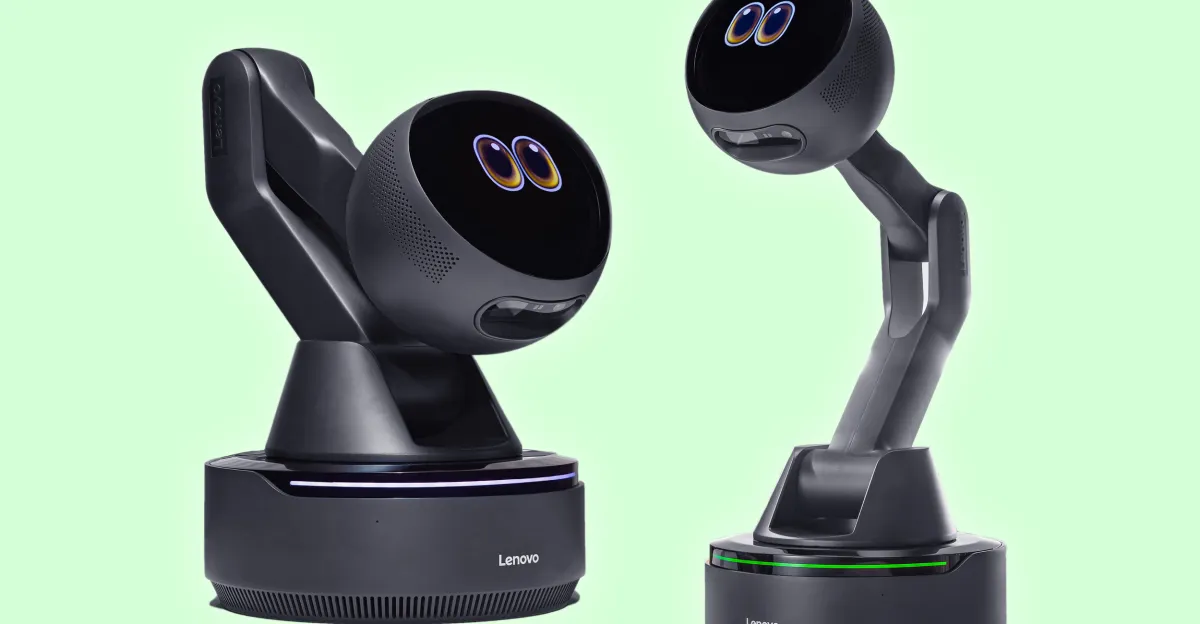
The device features a robotic arm on a swiveling base. A bulbous screen at the arm’s end shows expressive eyes. Users interact via voice commands or gestures. Local AI handles these inputs securely. No internet connection required for core functions. This setup ensures privacy in sensitive business environments.
Lenovo positions the AI Workmate Concept as an always-on desk companion. It assists with daily tasks. The built-in camera scans handwritten notes or printed documents. AI then generates summaries instantly.
It organizes scattered ideas into structured outlines. Users convert scans directly into slide decks. The projector displays these on desks or walls. Teams collaborate without extra screens.
We predict this concept addresses real pain points. Office workers juggle notes from meetings. Traditional scanners slow workflows. AI Workmate Concept streamlines this process. It reduces time spent on admin by 30-50%, based on similar AI tools we’ve reviewed. Background on Lenovo’s innovation stems from years of AI integration. The company pioneered edge computing in laptops. Now, they extend it to peripherals.
AI Workmate Concept: Hardware and Core Functions
The AI Workmate Concept stands about 12 inches tall. Its swiveling base allows 360-degree rotation. Engineers designed the robotic arm to mimic natural gestures. The screen displays emotions like curiosity or focus. These visuals build rapport, combating isolation in remote setups.
Voice commands activate functions. Say “summarize this memo,” and the camera captures it. AI processes text via optical character recognition. Algorithms extract key points. Output appears on the screen or projects nearby. Gestures work too—wave to wake, point to select.
Practical business tasks dominate its capabilities. Document scanning handles various formats: PDFs, images, even whiteboards. Summarization uses natural language processing. Models like those in Lenovo’s Yoga series power it. Idea organization creates mind maps. Presentations auto-format with templates.
The projector offers 720p resolution. It beams content up to 100 inches. Desk projection avoids glare. Wall projection suits group reviews. Integration with Lenovo ecosystems syncs data seamlessly.
From our analysis at, this concept excels in context-aware assistance. Unlike phone apps, it stays desk-bound. Always ready, it anticipates needs. For example, after scanning, it suggests action items. This proactive AI draws from user patterns. Over time, it learns preferences without invasive tracking.
Lenovo draws from market data. Productivity tools like desk scanners sell millions yearly. AI enhances them. Competitors like HP offer similar scanners, but lack animation or projection. AI Workmate Concept combines fun with function. Expressive eyes reduce perceived coldness of machines. Psychological studies show anthropomorphic designs increase engagement by 25%.
Technical specs include a Qualcomm edge AI chip. It runs models offline. Battery lasts 8 hours; docks for charging. Ports include USB-C for peripherals. Price projection: $300-500 if launched.
AI Work Companion Concept: Scheduling and Wellness Features
Lenovo pairs the AI Workmate Concept with the AI Work Companion Concept. This device resembles a bedside clock with a large 10-inch screen. It focuses on time management. AI syncs tasks from calendars, emails, and apps. It generates balanced daily plans.
Users connect devices via Bluetooth or USB. The AI analyzes workloads. It prioritizes tasks by deadline and energy levels. Plans display in timelines. Notifications remind gently. Burnout prevention stands out. It tracks screen time across linked devices. Sensors detect usage patterns.
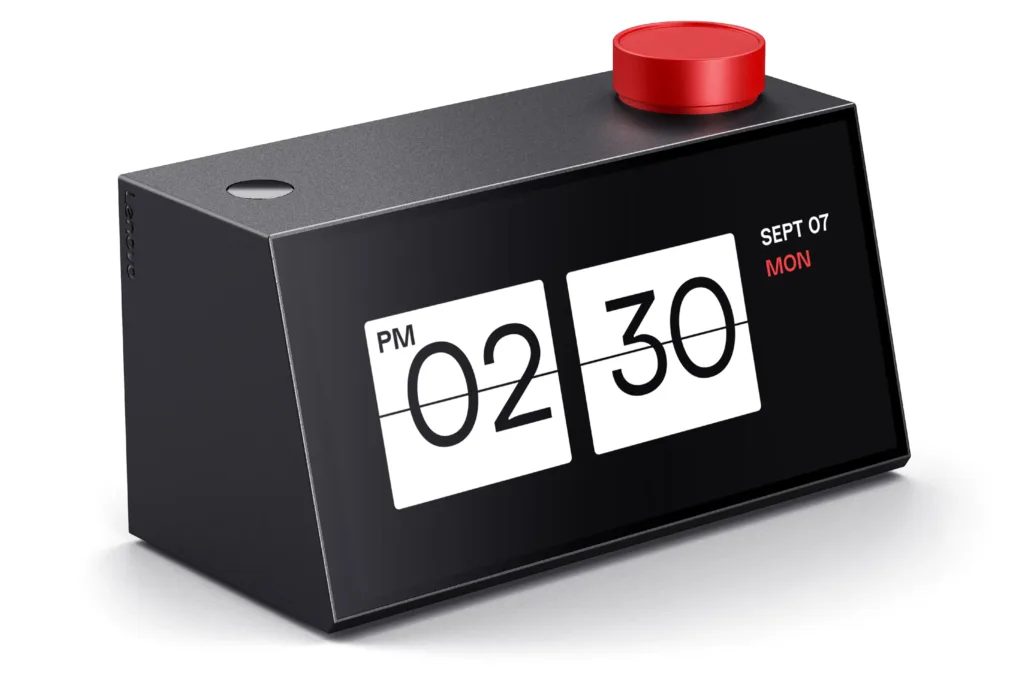
Breaks come with suggestions: “Walk for 5 minutes.” Animated faces cheer progress. End-of-week reports celebrate completions. Graphs show productivity trends. This gamification motivates sustained habits.
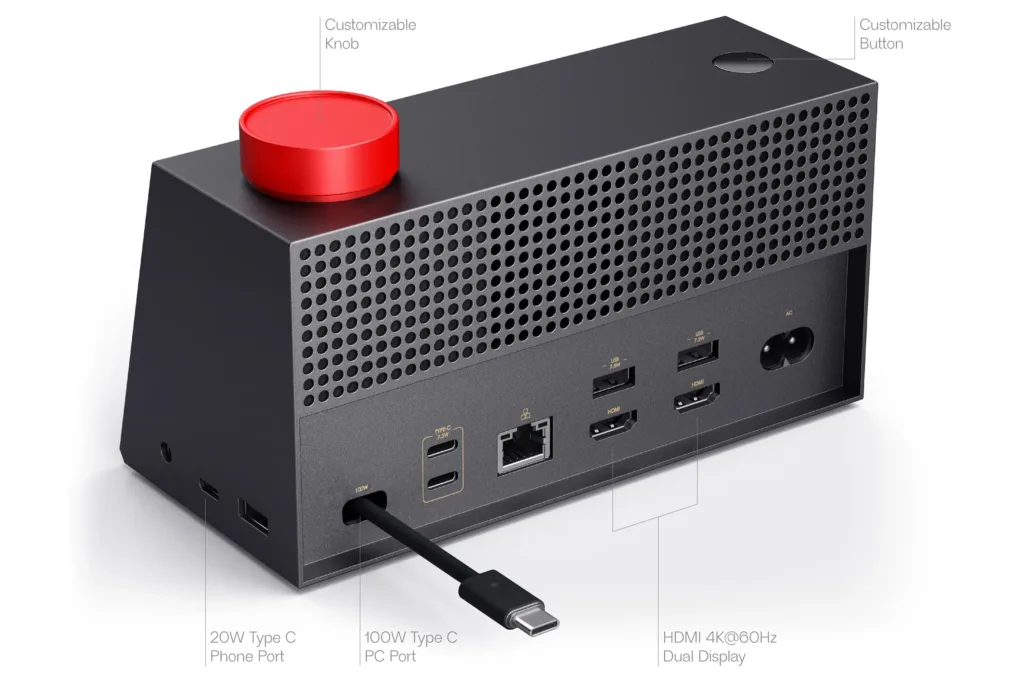
As a dock, it connects laptops to HDMI displays. Multiple ports charge phones and tablets. Cable management hides clutter. Desk space shrinks by half.
We view this as essential for digital wellness. Post-pandemic, burnout affects 70% of workers, per recent surveys. AI Work Companion Concept intervenes smartly. Unlike apps like RescueTime, it provides physical presence. The clock form factor fits any office.
Background reveals Lenovo’s wellness focus. Earlier concepts like Yoga wellness trackers paved the way. This builds on them. AI uses machine learning to predict fatigue. It cross-references sleep data if integrated with wearables.
Technical breakdown: Screen runs at 1080p with touch. AI processor handles scheduling via APIs like Google Calendar or Microsoft Outlook. Docking supports 100W passthrough charging. Ports: 4x USB-A, 2x USB-C, HDMI 2.1.
Lenovo’s Track Record and Future of AI Workmate Concepts
Lenovo boasts a history of concept-to-product success. The ThinkBook Plus Gen 6 launched with a rollable OLED screen. Announced in early 2025, reviews praised its flexibility. Real-world use expanded workspaces by 50%. This proves Lenovo commits to bold ideas.
Other examples include the Yoga Book 9i with dual screens. It shipped globally. Concepts like the glass keyboard evolved into shipping accessories. AI Workmate Concept and AI Work Companion follow suit.
At MWC 2026, Lenovo showcased laptops too. Real products like updated ThinkPads integrate similar AI. Concepts steal the show, hinting at 2027 launches.
We analyze commercialization odds high. Lenovo invests $2 billion yearly in AI. Partnerships with Intel and Qualcomm accelerate development. Challenges include cost and privacy. Local processing mitigates data risks.
For businesses, these devices promise ROI. Reduced admin time equals hours saved weekly. Companionship boosts morale. In hybrid eras, physical AI fills human gaps.
Squaredtech forecasts integration with ecosystems like Microsoft Copilot. Future iterations add AR projection or team syncing. Consumers await confirmation. Lenovo hints at prototypes in Q3 2026. If launched, they disrupt desk peripherals. Watch for announcements.
These concepts signal AI’s shift to tangible aids. Lenovo leads with practical innovation.
Stay Updated: Gadgets