


The uncomfortable truth about flagship smartphone prices is that they are beginning to resemble a monthly-car-payment conversation rather than a gadget conversation. A rumored $1,500 starting point for Samsung’s Galaxy S27 Ultra would have sounded absurd not long ago. Now it feels like the logical, if deeply unwelcome, next step in a market that has spent years teaching us to accept $1,000 phones.
That doesn’t mean people will stop buying expensive handsets tomorrow. Carrier financing remains a powerful anesthetic: turn a four-figure purchase into smaller payments, attach a trade-in promotion, and the number loses some of its sting. That financing also changes how flagship smartphone prices are perceived. But the economics have changed. When a phone costs as much as a competent laptop, a very good television, or a week-long family holiday, the question shifts from ‘Can I afford it?’ to ‘What, exactly, am I getting for this?’
- Flagship smartphone prices approaching $1,500 could make annual Android upgrades difficult to justify beyond devoted enthusiasts and carrier-plan shoppers.
- Rising flagship smartphone prices may also squeeze midrange devices, where manufacturers have less room to absorb higher memory and storage costs.
- Samsung and Google may need to prove that expensive phones deliver meaningful everyday gains rather than another annual specification refresh.
- A weaker hardware baseline could eventually slow the rollout of demanding mobile software and on-device AI features.
Table of Contents
Flagship smartphone prices are testing the upgrade habit
Samsung has helped set the pace for premium Android pricing. The Galaxy S26 Ultra reportedly saw its price rise after launch, and early chatter around the Galaxy S27 Ultra points to a possible $1,500 entry price. Treat that figure as a rumor, not a price tag carved in stone. But it matches the direction of travel. A $100 annual bump used to be a notable exception; lately it is starting to look like standard operating procedure.
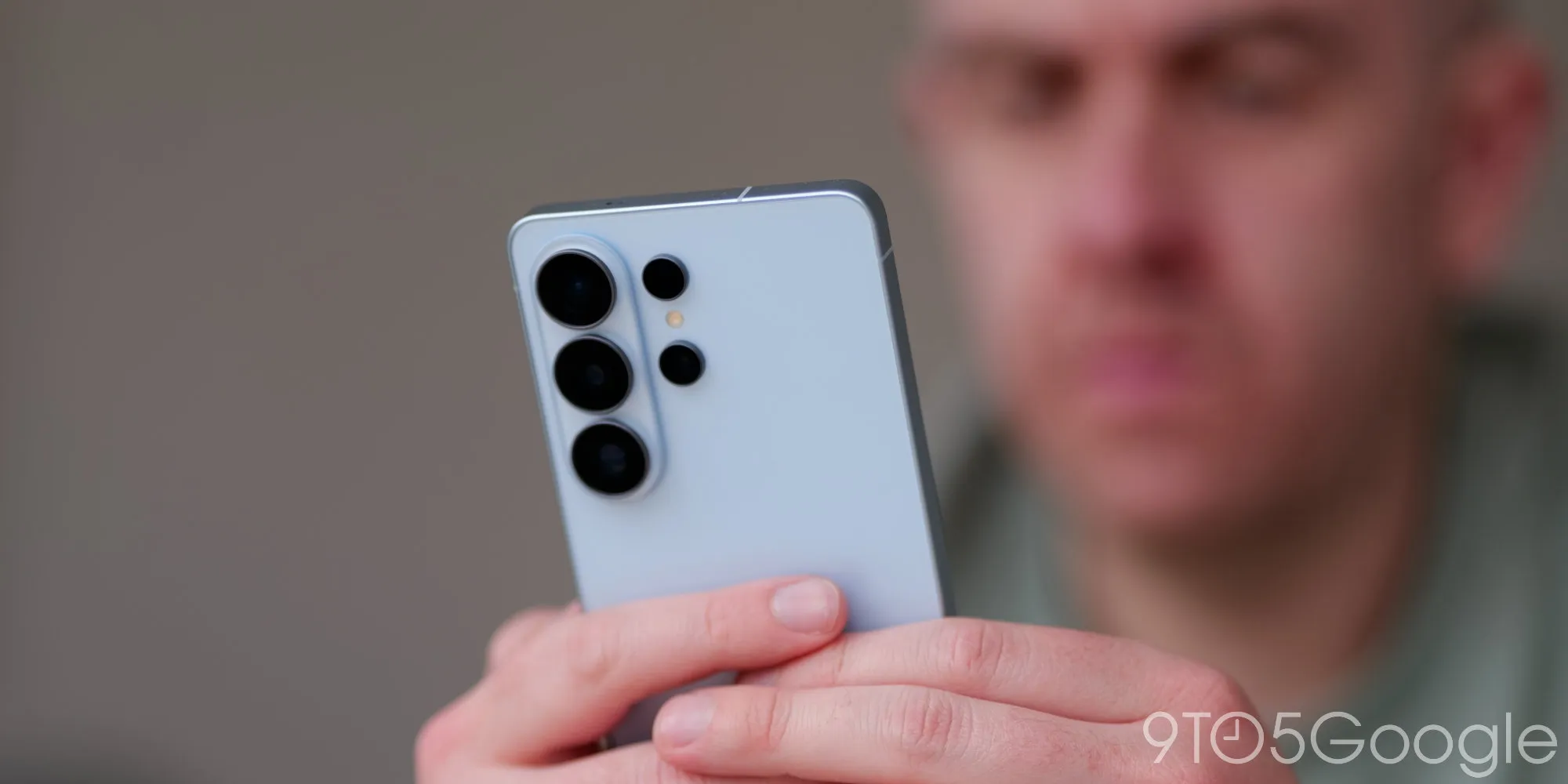
The industry’s usual defense is straightforward: these phones contain better screens, larger camera sensors, faster chips, satellite features, bigger batteries and increasingly elaborate cooling systems. All true. The Ultra-class phone is no longer a simple slab with a nicer camera. It is a pocket computer loaded with specialized parts, and some of those parts are getting more expensive.
Still, hardware bills do not automatically equal consumer value. Most people who bought a Galaxy S25 Ultra or S26 Ultra are unlikely to find their current phone suddenly inadequate next year. The cameras remain excellent. The screens are already close to absurdly good. Performance for ordinary apps is far beyond what Android needs. Manufacturers have spent a decade training buyers to chase the newest model, but flagship smartphone prices could finally break that reflex.
Apple has long benefited from customers treating the iPhone as a long-term personal device rather than a disposable annual upgrade. Android makers, especially Samsung and Google, are heading toward the same reality. Software support can help: it makes holding onto a phone more sensible, while making a yearly price increase harder to defend. Funny how that works.
The Pixel 12 could inherit a tougher market
Google has not announced the Pixel 12, and there is no dependable public pricing for it yet. But the company is not insulated from the forces pushing flagship smartphone prices upward. Pixel hardware has traditionally been easier to recommend at full price because Google frequently discounts it, and because carrier promotions can be unusually aggressive. Those tools matter. They are not magic.
If components such as RAM and flash storage remain expensive, Google faces an awkward choice: absorb the added cost, increase the Pixel 12’s list price, or trim specifications somewhere else. None of those paths is particularly attractive. Absorbing costs pinches margins. Raising prices weakens Pixel’s value argument against Samsung and Apple. Cutting hardware creates an obvious opening for rivals.
This is where memory becomes more than a nerdy specification-sheet argument. Modern phones increasingly keep more apps alive in the background, process photos locally, and run AI features on-device. Less RAM can mean more app reloads and a device that feels tired earlier in its life. Storage cuts are equally annoying. Nobody wants to rediscover 128GB—or worse, 64GB—as the default after years of increasingly large photos, videos and app downloads.
Industry standards bodies such as JEDEC help define the memory and storage technologies that make modern phones possible, but standards do not solve supply and pricing swings. Manufacturers buy into a real commodity market, and consumers eventually see the consequences at checkout.
Midrange phones are not guaranteed a free pass
The tempting response to $1,500 handsets is simple: buy a $500 or $600 phone instead. In plenty of cases, that is already the smart move. Google’s Pixel A-series, Samsung’s Galaxy A phones and Motorola’s better Moto G models have made the midrange market vastly more capable than it was a decade ago. You can get an OLED display, a capable camera and respectable battery life without taking out a small mortgage.
But rising flagship smartphone prices do not stay neatly confined to the premium shelf. Even so, flagship smartphone prices reshape the midrange market because vendors operate with much thinner margins and less freedom to absorb part costs. The Pixel 10a’s reported $100 increase is an early warning sign. If a manufacturer cannot raise the price, it may reduce RAM, storage, display quality, camera hardware or the processor tier. The compromise may be subtle on launch day, then much more obvious two years later.
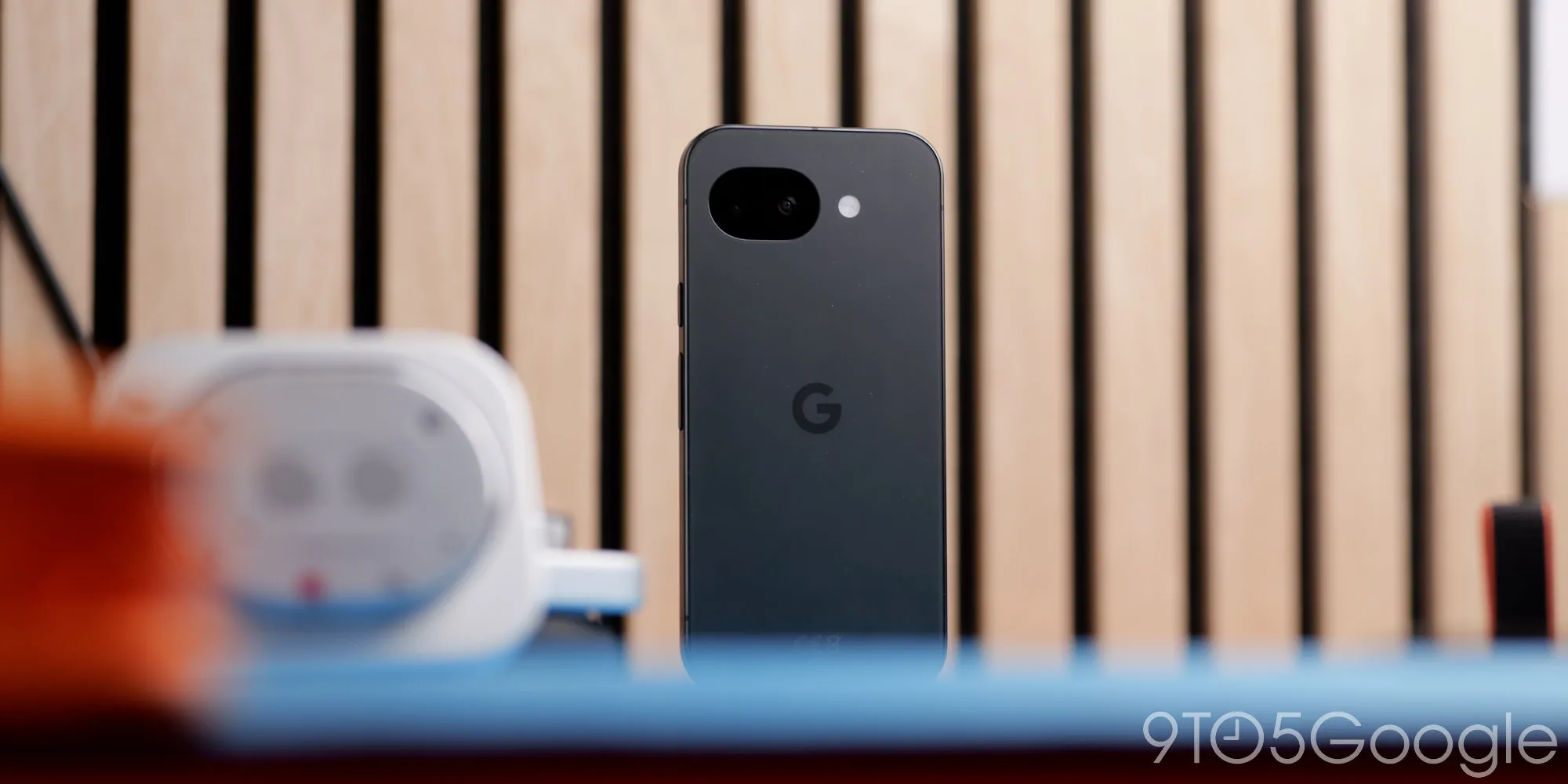
That could upend the old trickle-down story of smartphones. For years, yesterday’s premium hardware became tomorrow’s affordable feature: fast refresh-rate screens, multiple cameras, larger batteries, decent water resistance. If memory and storage costs force manufacturers to retreat, buyers may see new phones with weaker basics than the models they replace. A 2028 midrange phone with less RAM than its 2025 predecessor would be a strange sight, but it is no longer impossible.
Software will feel the effects too
There is a second-order problem here that gets less attention. Software developers build for the hardware people actually own. If more users keep older phones longer, or buy new devices with lower memory and storage ceilings, developers have less incentive to make demanding new features central to their apps. That matters most for local AI processing, advanced photo editing and richer games, all of which rely on headroom.
The industry is betting on AI features that run partly on the device. Yet that strategy conflicts with a world where phone makers economize on the very components those features require. Flagship smartphone prices can climb, of course, but the industry cannot expect everyone to follow them up the ladder.
My read is that the true danger is not the death of premium phones. There will always be buyers for an Ultra, a Pro or a foldable—just as there are buyers for luxury cars. The real change is that the flagship will become a less representative product. It will be an aspirational niche rather than the phone that defines the broader market.
That leaves Samsung and Google with a hard assignment. The Galaxy S27 Ultra and Pixel 12, whenever their final prices arrive, need to make a credible case for lasting value: better durability, longer support, repairs that do not feel punitive, and improvements people can actually notice on a Tuesday afternoon. If they cannot, flagship smartphone prices may not kill the high end. They may simply make it irrelevant to everyone else.
Frequently Asked Questions
Why are flagship smartphone prices rising?
The source points to repeated price hikes for new and even months-old hardware, with component constraints such as rising RAM costs adding pressure. It warns that these increases could make high-end phones harder to recommend beyond the most dedicated enthusiasts.
Will flagship smartphone prices reach $1,500?
Nothing is official for Samsung’s next Ultra phone or Google’s next Pixel generation. Still, leaks suggesting a possible $1,500 Galaxy S27 Ultra indicate that this price tier may be possible.
Should buyers choose a midrange phone instead of a flagship?
Buyers may need to consider keeping their current device or choosing a midrange option as flagship prices rise. However, midrange phones could also see higher prices or reduced specifications, including less RAM and storage.