Table of Contents
On December 10, 2025, Australia implements its new law restricting use of major social media platforms by anyone under 16. This rule, known as the Social Media Minimum Age Act, forces platforms like YouTube to block teens and tweens from accessing full accounts. We have closely analyzed this shift to highlight how it could paradoxically reduce safety protections for children on YouTube.
Australia’s YouTube Social Media Ban Explained: What It Means for Kids’ Safety
YouTube will automatically sign out anyone under 16 starting December 10. This means young users can still watch videos but no longer log in, comment, or upload content on the platform. YouTube Kids remains unaffected since it targets younger children specifically. While this may sound like a win for child safety, Our review shows the ban removes key features that protect kids and limit harmful content exposure.
Before this law, YouTube had developed more than a decade of safety tools, including robust parental controls. These controls allow parents to set content restrictions, block specific channels, and adjust settings to suit their family’s needs. With the ban, parents lose these powers because the young user can no longer sign in. That means no control over what videos appear in recommendations or comments, which increases the risk of exposure to harmful content.
Additionally, the ban disables wellbeing features on YouTube accounts that encourage healthy viewing habits. Alerts that remind users to take breaks or go to bed rely on being logged in. Without accounts for under-16s, these helpful prompts vanish. This article emphasizes that removing these protections strips away important layers of safety that families currently count on.
Read more on our article, European Parliament Backs Ban on Social Media for Under-16s, published on November 28, 2025 SquaredTech.
Concerns from YouTube, Parents, and Australian Regulators
YouTube’s official statement calls the legislation “rushed regulation” that misunderstands how young Australians use the platform. Rachel Lord, the senior public policy manager for Google and YouTube Australia, noted that the law will make kids less safe, not safer. She added that educators and parents share this concern.
This pushback comes after the Australian government removed YouTube’s previous exemption from the ban in July 2025. The eSafety Commissioner had identified YouTube as the “most frequently cited” source of harmful content seen by children aged 10 to 15. That led to extending the ban, but YouTube’s response highlights how it could create unexpected safety problems.
Communications Minister Anika Wells defended the law, calling YouTube’s warnings “outright weird.” She argued that if YouTube admits its platform isn’t safe for children, that is a problem the company itself needs to fix. Wells pointed to the need for cultural change and government regulation to protect “Generation Alpha,” children growing up fully immersed in social media.
The government is also keeping an eye on emerging apps like Lemon8 and Yope, which have seen rising popularity among teens ahead of the ban. These video and photo sharing apps may fall under similar restrictions if they meet the criteria.
We observed that the government has set steep fines for noncompliance—up to A$49.5 million (US$33 million). Social media companies must deactivate existing accounts for under-16s and prevent new ones as well as efforts to bypass age checks.
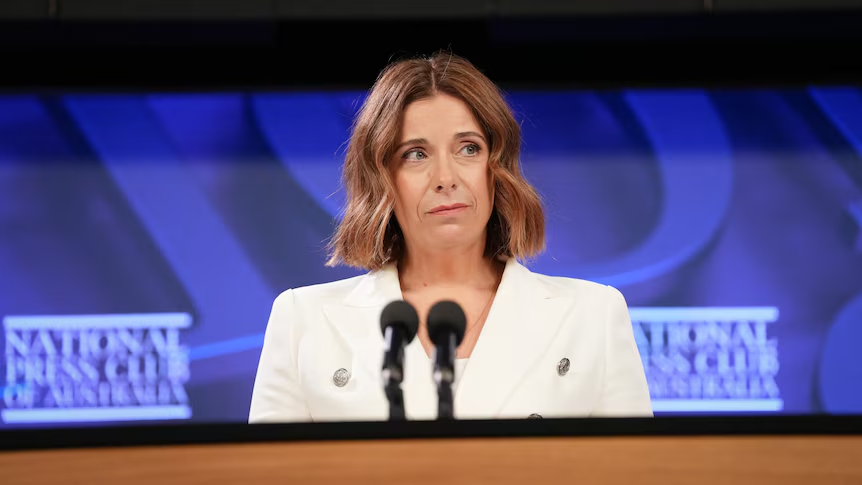
Australian social media ban aims to ‘save teens from predatory algorithms Source: YouTube
Source: ABC News
Why the YouTube Ban May Backfire on Child Online Safety
Our research team’s analysis suggests this ban creates new risks by stripping essential parental controls and protections already in place. When children cannot log in, families lose the ability to supervise watch history, block channels, or customize content filters. This lack of supervision leaves children facing unfiltered videos recommended by automated algorithms.
These algorithms can create “dopamine drips,” a term Communications Minister Wells used to describe how notifications and content feeds grab kids’ attention and keep them hooked for hours daily. Without safeguards, kids risk falling into harmful patterns, repeatedly viewing triggering or inappropriate material.
The ban’s impact on wellbeing features is also significant. YouTube encourages users with reminders to take breaks and avoid late-night screen time, but only for logged-in accounts. Removing accounts for the under-16 group shuts down these small but impactful tools that support healthier usage habits at a vulnerable age.
Finally, the ban prevents young users from participating interactively by uploading videos or commenting, which can reduce opportunities for positive engagement and creative expression. Instead, children become passive viewers with less control.
We note that Google, YouTube’s parent company, reportedly considered a legal challenge to the ban but has not publicly confirmed any ongoing action.
The new Australian social media ban marks a major change in online child safety policy. We urge a careful look at how stripping existing protections could unintentionally raise risks for young users. With nearly a decade’s worth of parental control features lost and helpful wellbeing tools disabled, families face fewer options to protect children on YouTube.
The inclusion of other platforms like Facebook, Instagram, TikTok, Snapchat, X, Twitch, Threads, Reddit, and Kick under the ban suggests broad government efforts to limit under-16 account access. Yet it is believed that the focus should be on improving direct safety measures rather than cutting off supervised access abruptly.
Parents and educators deserve clear guidance and tools that empower them to help children use social media safely. Squaredtech will continue monitoring these changes and their effects to keep readers informed about the best ways to support kids’ online experiences in Australia and beyond.
Stay Updated: Tech News