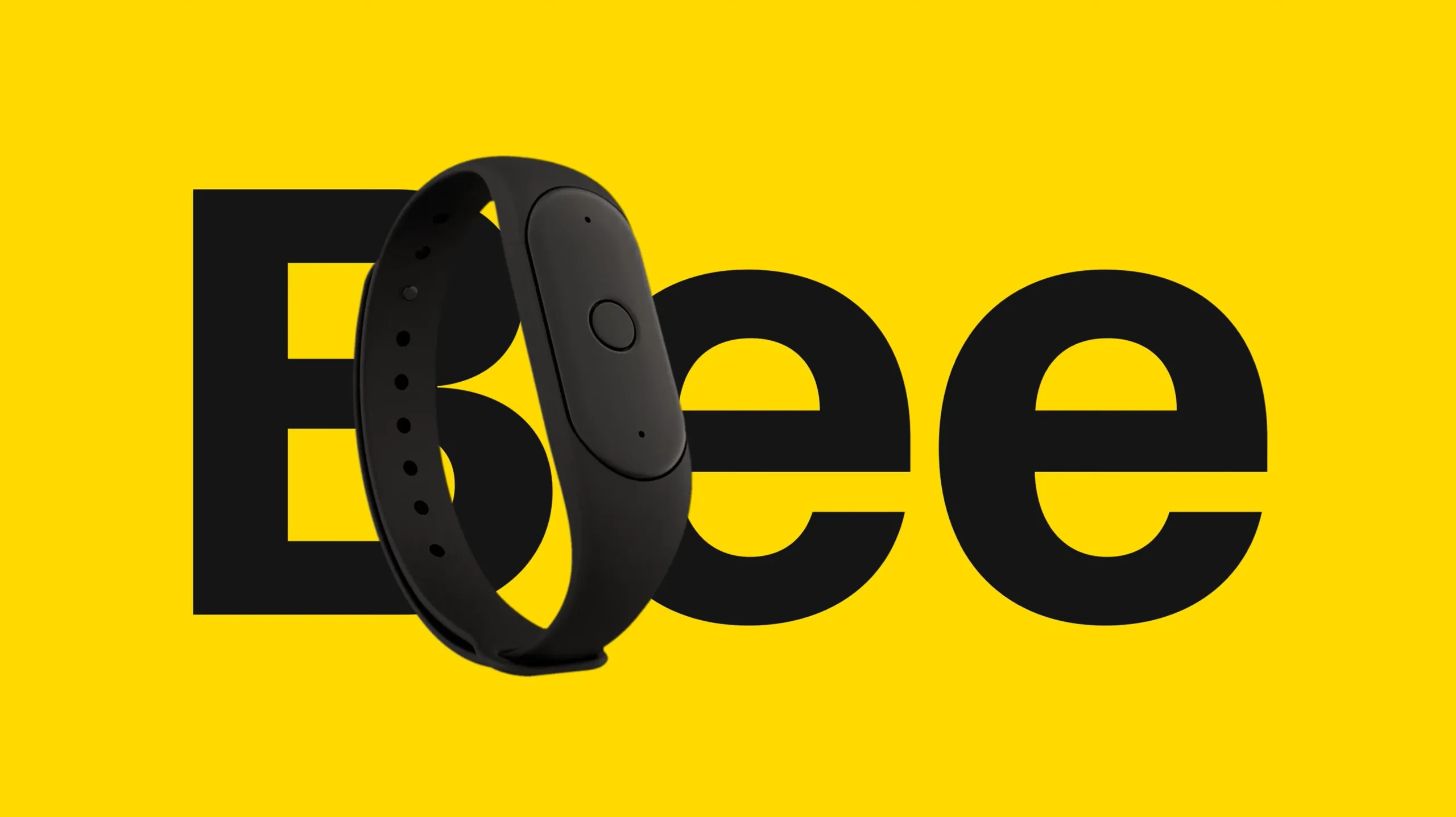
At Squaredtech we track innovation that is shaping consumer experiences. We saw that Amazon bought Bee at CES in Las Vegas and immediately recognized that this deal signals a major shift in how AI reaches users. It is not an isolated purchase. It is a strategic move that places Amazon deeper inside personal devices that travel with users moment by moment.
CES had halls filled with smart devices. Smart screens. Smart televisions. Smart appliances. Every large technology group looked for ways to place AI into products that stay constantly active. Amid that excitement Amazon arrived with something more meaningful than a new speaker or a fresh device upgrade. Amazon bought Bee and placed the acquisition at the center of its story.
Amazon bought Bee to move AI everywhere
Bee is a wearable AI device. It clips to a shirt or attaches to a wrist as a bracelet. Unlike large smart displays or smart speakers Bee goes where the user goes. Bee listens to conversations. Bee records and processes meetings classes and informal moments. Bee stores summaries that stay searchable. Bee remembers details that a user may forget. Amazon bought Bee because this kind of support unlocks a new location for AI. It moves from living rooms into streets workplaces classrooms and daily conversations.
We see that Amazon already has voice AI dominance inside homes through Alexa. Alexa Plus is the advanced version and runs on nearly every speaker and screen Amazon has shipped. Yet Alexa sits still. Alexa is a home service. Amazon bought Bee because Bee escapes that boundary. It extends AI into time and place rather than location only.
Bee works with knowledge from the internet along with insights from the user. If the user approves access Bee pulls data from Gmail calendars contacts or Apple Health. The result is personal context that grows stronger with use. Bee becomes a memory support an assistant a diary and a searchable log.
Many users already test voice AI in earbuds glasses and accessories. Amazon also attempted those paths earlier. Amazon produced Alexa enabled earbuds. It launched Alexa enabled glasses. Both projects failed to compete with AirPods and the Ray Ban Meta product line. These products showed Amazon that AI wearables must deliver a deeper purpose. Amazon bought Bee because Bee offers a function that stands apart from music devices or glasses.
Bee is not here to simply repeat Alexa commands. Bee listens deeply. Bee summarizes. Bee collects data that becomes a knowledge graph for one person. An executive can speak through a full day without pausing to type notes. A student can attend class and stop worrying about missing a line. A senior citizen can track medical notes or doctor instructions. These use cases are active not passive. Amazon bought Bee because Bee addresses problems rather than just entertaining users.
During CES the Bee team shared ideas on how Bee relates to Alexa. Bee co founder Maria de Lourdes Zollo described Bee and Alexa as friendly partners. Alexa understands home routines. Bee understands life outside. Both systems can stand alone but Amazon sees eventual merging. Amazon bought Bee to accelerate convergence. One day a user may move from home to office with AI continuity rather than device jumps.
Bee is not about instant replacement. Daniel Rausch leader of Alexa AI stated that Bee delivers a warm human experience. He called it personal and important. He acknowledged that future unity with Alexa is expected because users benefit more through one consistent service. Amazon bought Bee to build that path without rushing short term change.
Students who record lectures find Bee useful because the device pulls key points into short summaries. Speakers who travel for work gain automatic logs of every talk. People managing family life craft lists without typing. Bee gathers patterns and learns habits. Through recordings and allowed data Bee builds a profile that supports growth.
At Squaredtech we analyze these patterns. The economic logic is clear. Amazon bought Bee to gather data responsibly. Bee stores text summaries yet discards audio. This choice helps privacy yet also limits replay for legal or corporate settings. Amazon can now test varied interaction models without blending them into Alexa until readiness. That separation protects product futures.
The Bee team continues to operate in San Francisco. It is an eight person group with close access to Amazon hardware and Alexa divisions. That location delivers direct collaboration potential. Amazon bought Bee not for current sales figures but for long runway. Bee already announced feature upgrades including voice notes templates and daily insight features. These additions suggest a road map that stretches far into 2026 and beyond.
The founder explained that the possibilities feel unlimited. She highlighted enthusiasm about new resources that Amazon brings. The purchase gives Bee funding reach scale and access to engineering talent. Amazon gains a product that pushes AI identity deeper into daily life.
For consumers Bee signals a simple message. AI is no longer a tool used during short windows in front of a screen. AI is becoming an always present assistant that listens and supports. Amazon bought Bee to claim that space before rivals tighten their grip. This step matters because Apple has AirPods and a headset strategy. Meta has Ray Ban glasses. Google has models running across Android devices. Amazon lacked a wearable anchor until Bee.
Bee arrives at an ideal moment for Amazon. Alexa Plus is improving. Large language models are shrinking into mobile scale. Voice recognition accuracy is rising. User comfort with AI is growing rapidly. With Bee every strength Amazon possesses becomes portable. We forecast that Bee will join Amazon shopping routines Amazon music prompts and perhaps Amazon healthcare services later.
At Squaredtech we also see business motivation. Bee provides a direct channel for anonymized learning. Bee can refine suggestion engines by studying action cadence and vocabulary patterns. Spotify studies music habits. Netflix studies viewing decisions. Bee may eventually support shopping recommendations or appointment reminders that connect to Amazon marketplace structures. Amazon bought Bee because data can push new commerce without obvious promotional pressure.
Still Bee will need trust to succeed. Recording daily life can cause worry. Bee discards audio yet users still need assurance. Amazon must address privacy clearly. Bee must provide granular permission control so users decide what the assistant reads. That promise will determine adoption rate.
Technology shifts require clear social framing. We expect conversation about acceptable recording in classrooms or workplaces. Bee could trigger policy debates and etiquette rules just as camera phones once did. Amazon bought Bee knowing public reaction may shape product form.
CES often creates short attention spikes but the Bee purchase stands apart. This is a structural shift for Amazon strategy. Amazon bought Bee to place its AI directly in the fabric of personal thought and action. Alexa made homes smarter. Bee may make days smarter.
Bee has already proven value for people who generate large speech volume. People who teach speak train or present often struggle to recall the fine detail of spoken sessions. Bee captures it through transcription and turns it into searchable writing. The user can ask Bee questions on past days and receive clear answers. The device acts like a life journal without the burden of writing.
Bee may also help people with memory limitations. Families could support elders who forget names times or appointment details. Bee could become an invisible support partner. That potential aligns with medical and life planning markets Amazon seeks to grow.
Everything we observed at CES suggests that Amazon sees Bee as a seed rather than a finished tool. Many future features are in development. Bee has room to add translation reminders health suggestions travel coordination and shared logs across families. Every step moves AI from an entertainment voice to a necessity.
We at Squaredtech believe Amazon bought Bee because AI success will depend on who occupies space near the human mind through daily cycles. Smart speakers compete on price but personal memory assistance competes on life impact. Bee is small discrete friendly and portable. Amazon now owns that entry point.
Bee signals the next phase of AI wearables

Bee will likely set a template for wearable AI. Clipped microphones will spread. Battery life will improve. Summarization models will run faster on device. Companies will race to place learning tools on coats hats necklaces or pins. Amazon bought Bee early enough to shape this trend rather than react later.
As AI grows consumers will demand clarity. Bee must show how it learns and where information flows. Amazon must demonstrate that Bee serves users first. People should feel empowered not observed. Success will rest on transparency.
Bee shows how AI may blend with daily life without screens. Phones are heavy filters that require attention. Bee fades from focus yet still works. That is a new category. Amazon bought Bee because the future requires assistance that rises and falls with user need without interruption.
The timing makes sense. Hardware advances reduce cost. Cloud services fuel intelligence. User expectations have risen. People want AI that solves missing memory and task overload. Bee delivers on those needs in a compact design.
Why the Amazon bought Bee deal matters next
Amazon bought Bee and placed itself at the front of personal AI. The purchase tells investors partners and consumers that the company sees a future where information follows the user rather than waiting in a device docked on a table.
Bee may one day sync with Alexa and offer uninterrupted support across homes workplaces and travel. That unified access could redefine digital assistance the way smartphones reshaped communication. Squaredtech will continue tracking Bee progress and the spread of smart wearables.
Amazon bought Bee for a reason that goes beyond hardware ownership. The deal marks a shift from home centered smart experiences to life centered AI support. The effects will unfold across education business healthcare retail and aging support.
Bee may begin as a simple pin or bracelet but Amazon clearly expects it to grow into a long term companion technology. We will continue examining how Bee changes user expectations and competitor reactions as more companies roll out their own portable assistants.