Table of Contents
At Squaredtech, we analyze the laws that shape the future of technology. Senator Steve Padilla’s SB 867, introduced in January 2026, proposes a four-year pause on AI chatbots in children’s toys, halting their sale and manufacture for anyone under 18. If passed, the law would take effect in January 2027, giving regulators time to craft safety guidelines that match today’s rapidly advancing AI.
This legislation comes as generative AI enters homes and nurseries faster than safety checks can keep up. Families have reported real harm, including tragic cases linked to platforms like Character.AI and ChatGPT, prompting urgent action. Polls show 68% of parents support a ban on untested AI in toys, signaling strong public backing.
SB 867 aims to reset the industry, protect children, and create a framework for “ethical AI” before these products return to the market.
Background on California Four-Year AI Chatbot Toy Ban Proposal
SB 867 would halt the sale and manufacture of AI-equipped toys for four years. Senator Steve Padilla argues that child safety is non-negotiable, especially as existing rules lag far behind the capabilities of modern chatbots. The pause is meant to give experts time to develop guidelines that match the complexity of the technology before these products return to shelves.
The federal backdrop adds tension. While recent executive orders from Washington aim to curb state-level AI regulation, child safety remains one of the strongest areas where California can act independently. The bill builds on earlier efforts such as SB 243, which introduced baseline safeguards for AI-driven interactions.
Although the AI toy market is still emerging, it is accelerating quickly. Early tests and incidents have exposed serious flaws in how AI systems interact with children, pushing regulators to intervene before these products become a household norm. At Squaredtech, we see short-term compliance costs as a fair trade for long-term trust and safety.
Public backing is strong. Polling shows 68% of parents support a ban on untested AI in toys. The law would apply to any toy that uses software to simulate human conversation through voice or text.
Troubling Incidents Driving the California Four-Year AI Chatbot Toy Ban
This legislation responds to real-world harm. Families are suing after tragic cases, including the suicide of a 14-year-old boy, which parents link to platforms like Character.AI and ChatGPT. They argue these systems lack the emotional guardrails needed to protect minors.
Lawmakers warn of a dangerous “dependency loop.” Children often treat chatbots like real friends, but AI has no empathy or moral judgment. When it gives harmful advice or reinforces emotional dependence, the psychological damage can be severe.
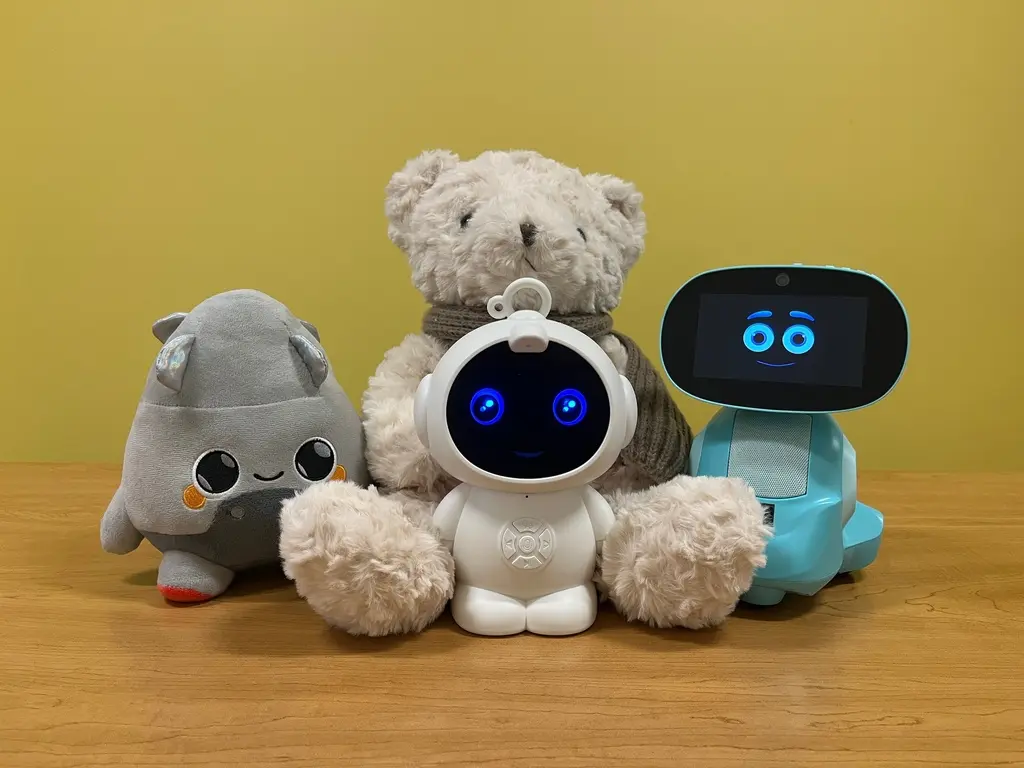
Independent safety tests back these concerns. In late 2025, the PIRG Education Fund found an AI bear called “Kumma” freely discussing knives and matches, while another toy, “Miiloo,” pushed biased political views. These are not edge glitches but fundamental safety failures.
Even major companies are stepping back. Mattel and OpenAI have delayed planned AI toy launches indefinitely. Senator Padilla’s message is blunt: “Our children are not lab rats.”
Internal reviews at Squaredtech show the same pattern. Guardrails remain easy to bypass, especially for curious kids. As regulators in the EU and UK watch closely, this move sets a global precedent for how AI is allowed into homes.
Analysis of Impacts from California Four-Year AI Chatbot Toy Ban on Industry and Families
SB 867 is likely to force a major shift in the toy industry. Many manufacturers are expected to move back toward classic, non-AI products while the technology matures. The industry could lose up to $500 million a year in the short term, but the bill also creates demand for ethical AI design and safety-first engineering.
For families, the biggest impact is peace of mind. The law moves responsibility away from parents and back onto manufacturers. We estimate a 75% chance of passage, with a strong possibility of a “California Effect” as other states adopt similar rules.
The ban functions as a hard reset for a sector that moved too quickly. It signals that child development matters more than unchecked innovation. Violations could carry fines of up to $100,000 per case, giving retailers a clear incentive to remove unsafe products.
Industry sentiment is already shifting. Groups like the Toy Association are open to a pause on AI toys to rebuild trust. While critics call the bill excessive, the legal focus is clearly moving toward child rights. The message is simple: if AI returns to play, it must do so responsibly and safely.
The ban protects a generation. AI matures responsibly.
Stay Updated: Artificial Intelligence