Table of Contents
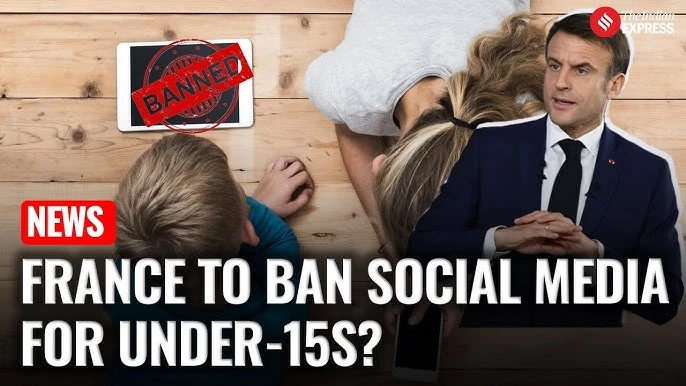
France debates a strict under 15 social media ban. President Emmanuel Macron backs the measure. The National Assembly opens talks now. This law blocks kids under 15 from platforms like Snapchat, Instagram, and TikTok. Macron targets September rollout with the school year start. Squaredtech examines how this protects youth in a digital age.
The proposal mirrors Australia’s recent law. That country bans social media for under 16s. France follows with age limits. Lawmakers cite mental health risks. Studies link platforms to anxiety and depression in teens. Macron calls out profit motives. He states companies prioritize money over child welfare.
Origins and Details of France Under 15 Social Media Ban
Deputy Laure Miller drafted the core bill last year. She led a parliamentary inquiry. The group studied TikTok and other apps. Findings showed psychological harm. Teens face addiction and body image issues. Miller’s report urged action.
Macron elevated the issue. He made it central to his final office year. A hung parliament sidelines him since 2024 elections. This ban offers public appeal. The government builds on Miller’s text. Early versions faced hurdles. A 2023 law failed. Courts ruled it violated European law.
The Council of State reviewed the new draft. It flagged legal issues. Lawmakers redrafted to comply. France and EU rules now align. The ban lists harmful networks. The state media regulator creates it. Kids under 15 face total blocks.
A second list covers less risky sites. Parents grant explicit approval. Platforms verify ages. France uses porn site systems. Users over 18 prove identity there. Similar tech applies here. Biometrics or ID checks enforce rules.
Our team analyzes enforcement. Fintech firms use age gates for gambling apps. Banks protect minors from crypto trades. This ban sets precedents. Tech giants invest in verification. Meta and ByteDance face fines for non-compliance.
Macron quotes drive support. He spoke last month. “We cannot leave the mental and emotional health of our children in the hands of people whose sole purpose is to make money out of them.” His words rally voters. Polls show 70% public backing.
Political alliances form. Pro-Macron parties lead. Centre-right Republicans join. Populist National Rally supports too. The bill passes the Assembly Monday. It moves to Senate next month. Prime Minister Sébastien Lecornu uses fast-track. This skips extra readings. Lawmakers clear backlogs from budget fights.
Without fast-track, delays kill it. Lecornu’s government struggles. The procedure ensures September deadline. Schools ban phones already in juniors. This extends to senior lycées.
Political Backstory and Enforcement Challenges in France Under 15 Social Media Ban
Macron called snap elections in 2024. Results created deadlock. No party holds majority. He lost domestic clout. The ban revives his image. Gabriel Attal, his former PM, ties in. Miller represents Attal’s party. Tensions risked derailment. Government unites behind the bill now.
Enforcement needs tech solutions. France tests age verification. Porn laws require proof. Users submit IDs or use video scans. Facial recognition confirms ages. Platforms integrate these. Snapchat and Instagram adapt code.
Challenges arise. Kids bypass with fake IDs. Parents share accounts. Regulators monitor evasion. Fines reach millions of euros. Australia’s model fines platforms 10% of revenue. France copies this.
Global trends accelerate. Denmark drafts under 16 bans. Greece and Spain consider rules. Ireland reviews options. The UK consults on under 16 limits this month. All cite Australian success. That law passed in 2025. Teens report less screen time.
We track impacts. Fintech apps face youth restrictions. Social commerce on Instagram slows for minors. Brands shift to safe content. Pakistan eyes similar laws. PTA blocks TikTok before. Mental health data grows here too.
Studies fuel the push. A 2024 French report links TikTok to sleep loss. Instagram worsens self-esteem. Snapchat’s streaks create pressure. Platforms design addictive features. Infinite scrolls hook users. Algorithms push extremes.
Governments act on evidence. The EU Digital Services Act aids. It mandates risk assessments. France leverages this framework.
Macron’s timeline presses lawmakers. September aligns with school starts. Kids return focused. Phone bans in schools prove effective. Bullying drops 20%. Attention spans improve.
Opponents raise free speech. Teens argue access to information. Lawmakers counter with safety. Parental controls exist. Education fills gaps.
Global Context and Future of France Under 15 Social Media Ban
Australia leads. Its eSafety Commissioner enforces bans. Courts uphold the law. Fines deter violations. France builds similar agency power. The UK consultation ends soon. Results shape policy. Under 16 bans gain traction. US states like Florida restrict apps. China limits youth gaming hours.
We forecasted ripple effects. Platforms redesign for compliance. Age-appropriate feeds emerge. Mental health tools integrate. AI detects harm early.
France sets EU pace. Other nations follow. Verification tech matures. Blockchain IDs secure proofs. Parents prepare. They monitor usage now. Apps like Qustodio track time. Schools teach digital literacy.
Law passage seems likely. Senate approves in weeks. Macron signs by summer. Platforms update by fall. This ban protects a generation. It balances tech access with safety. Squaredtech watches enforcement closely.
Developers adapt. They build compliant features. Fintech integrates safe social logins. Kids gain real-world focus. Mental health improves. Society benefits long-term.
France under 15 social media ban marks a turning point. Leaders prioritize youth over profits.
Stay Updated: TechNews