Table of Contents
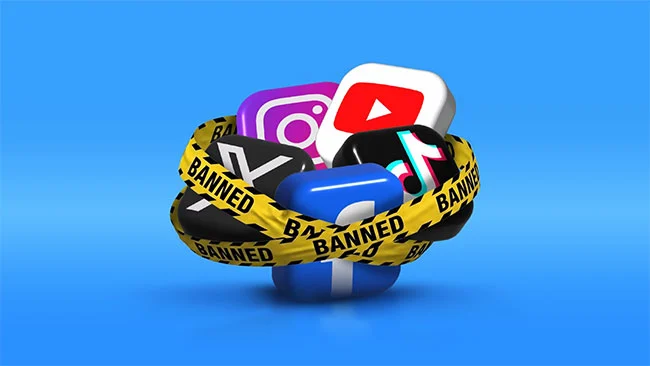
The UK government has launched a major proposal that could change how children use social media. On January 19, 2026, Technology Secretary Liz Kendall announced a three-month public consultation to decide whether children under 16 should be banned from social media platforms altogether. The proposal is framed as a response to rising concerns about mental health, online addiction, and harmful content reaching young users.
At Squaredtech, we are tracking every development closely. This consultation follows Australia’s world-first under-16 social media ban, which came into force in December 2025 and has already begun reshaping platform policies. UK ministers are now watching those results carefully as they consider similar action at home.
What the UK Social Media Ban Under 16s Would Do
The proposal goes beyond a simple age restriction. Lawmakers are considering a full reset of how digital platforms interact with children. This includes blocking under-16s from creating or keeping social media accounts, limiting addictive design features like infinite scroll and streaks, and enforcing stricter age verification systems. Another key idea is raising the digital age of consent, which would restrict how companies collect and use children’s personal data.
Officials argue that current safeguards are outdated and no longer match the power of modern algorithms. Kendall has said the Online Safety Act was only a starting point and that stronger protections are now needed to give children a healthier relationship with technology.
Why Australia Changed the Debate
Australia’s decision in late 2025 has accelerated the UK conversation. After the ban took effect, platforms such as TikTok and Meta reportedly removed millions of underage accounts to comply with the law. While enforcement challenges remain, the move showed that large tech companies can act quickly when regulation forces them to.
UK policymakers believe this creates a rare opportunity to act early rather than wait for more harm to occur. Ministers are expected to review Australian data during the consultation period to understand what worked, what failed, and how children responded.
Schools and Ofsted Gain New Powers
The proposed ban is not limited to online spaces. Schools are now part of the policy shift. Ofsted has been given stronger authority to inspect how schools manage mobile phone use. The government is pushing for phone-free environments during the school day, with teachers also expected to avoid using personal devices in front of pupils.
Supporters argue this could improve focus, reduce classroom disruption, and protect children from constant online pressure. Some school leaders agree with the goal but warn that enforcement without additional support could create tension and uneven outcomes.
Voices For and Against the UK Social Media Ban Under 16s
Public opinion is split. Supporters see the UK social media ban under 16s as a necessary intervention. Esther Ghey, the mother of Brianna Ghey, has been one of the strongest advocates. She argues that social media isolated her daughter and exposed her to harmful influences, and that platforms failed to protect vulnerable children.
Many MPs from both major parties agree, saying tech companies have prioritized engagement and profit over safety. They argue that if regulation does not step in now, long-term damage to child development will continue.
Opponents raise serious concerns. Charities such as the NSPCC, Childnet, and the Molly Rose Foundation warn that a blanket ban could create a false sense of safety. They fear children may move to unregulated platforms or hidden online spaces where risks are even greater. Others argue that social media provides vital support for isolated and LGBTQ+ youth, and removing access could deepen loneliness rather than solve it.
Academic experts also urge caution. Researchers from Cambridge and Oxford note that evidence linking age bans to improved well-being is still limited. They argue that reducing harmful algorithms, improving digital education, and strengthening safeguards may be more effective than outright bans.
Future Impact of UK Social Media Ban Under 16s
The consultation will run for three months, gathering input from parents, teachers, children, tech companies, and civil society groups. The House of Lords is expected to vote on related amendments early in 2026, which could fast-track parts of the ban.
If approved, new rules could begin rolling out later in 2026, placing the UK among a growing group of countries reshaping youth access to digital platforms. Enforcement would likely rely on stronger age verification systems, raising new debates around privacy and data security.
At Squaredtech, we see this moment as a turning point. Governments are no longer asking whether social media affects children, but how far regulation should go to protect them. The outcome of the UK social media ban under 16s consultation will influence tech policy far beyond Britain’s borders.
Stay Updated: TechNews