


Table of Contents
As editors at Squaredtech, we track fintech and tech policy shifts that impact digital platforms. Australia’s under-16s social media ban marks a bold step in online child protection. Meta deactivated 544,052 accounts across its services in the ban’s opening week. This action highlights enforcement challenges and sets a precedent for global regulators. We analyze the data, compliance efforts, and broader implications here.
Meta Deactivates Over Half a Million Under-16 Accounts in Australia’s Social Media Ban Launch
Meta acted swiftly after Australia’s under-16s social media ban took effect. The company deactivated 544,052 accounts it identified as belonging to users under 16. This figure covers the period from December 4, 2025, to December 11, 2025. Instagram saw the highest number at 330,639 deactivations. Facebook followed with 173,497, and Threads recorded 39,916.
Australia passed the ban to shield children from social media harms. Lawmakers targeted platforms with large young audiences. The policy prohibits users under 16 from holding accounts on designated services. Meta announced these numbers in a blog post on Monday. The tech giant stressed that compliance remains ongoing.
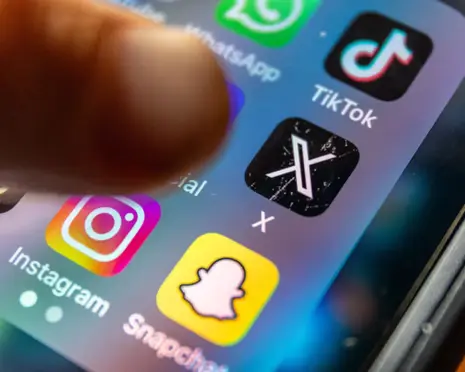
Platforms faced a tight deadline. All 10 named services implemented age checks by December 10, 2025. The list includes Twitch, Kick, YouTube, Threads, Facebook, Instagram, Snap, X, TikTok, and Reddit. Australia’s eSafety Commissioner oversees enforcement. The office queried platforms on deactivation counts but has not released full data yet.
Meta described its approach as a multi-layered process. The company plans to refine detection methods over time. Engineers use signals like profile data and behavior patterns to flag under-16 users. Meta raised concerns about online age verification without industry standards. Governments lack a uniform way to confirm ages digitally, Meta noted.
Early tests exposed gaps. Teens boasted online about bypassing restrictions. Guardian Australia created a Twitch account posing as an under-16 user post-ban. Twitch later banned that account permanently for policy violation. Teens replied to Prime Minister Anthony Albanese’s posts, claiming easy evasion.
The federal opposition criticized rollout. Shadow Communications Minister Melissa McIntosh called implementation flawed. She pointed to accounts that reactivated after deactivation. New accounts appeared quickly too. McIntosh highlighted weak age verification. Users bypassed tools with simple tricks like makeup and lighting, she said.
Children shifted to unregulated apps. Platforms like Yope and Lemon8 gained users. These services fall outside the initial ban list. Australia’s law requires platforms to self-assess coverage. The government plans to contact emerging apps for compliance. Officials expect migration patterns and aim to expand enforcement.
Some platforms acted proactively. Bluesky, an X alternative, added age assurance measures. The government did not name it initially. Bluesky joined to align with safety goals. This voluntary step shows industry adaptation.
We observed how bans affect platform operations. Tech firms invest in AI-driven age detection. Algorithms scan uploads, connections, and language for youth indicators. False positives risk alienating legitimate users. Meta balances compliance with user experience.
Australia’s government acknowledged imperfections from day one. Officials predicted initial loopholes. The ban aims to deter broad access over time. Enforcement relies on platform self-reporting and commissioner audits. Fines reach up to 30 million AUD for non-compliance.
Data from eSafety will clarify totals soon. Platforms deactivated accounts proactively. Instagram’s high count reflects its teen popularity. Threads, Meta’s newer app, shows rising youth engagement. Facebook’s numbers indicate older demographics but persistent under-16 use.
Meta urged constructive dialogue. The company complies but seeks better alternatives to blanket bans. Industry standards for age assurance could improve accuracy. Governments and tech firms need collaboration, Meta argued. Australia’s model tests real-world viability.
Challenges and Evasion Tactics Test Australia’s Social Media Ban Strength
Enforcement hurdles emerged fast in Australia’s social media ban. Teens evaded checks with ease. Makeup and lighting fooled facial recognition in tests. Opposition leaders demanded fixes. McIntosh noted reactivated accounts and new creations.
Platforms lack foolproof verification. Selfies and ID uploads invite fraud. Teens borrow adult documents or use AI filters. Australia’s law sets a high bar. Platforms must block under-16s or face penalties.
Migration to fringe apps complicates efforts. Yope and Lemon8 drew displaced users. These platforms host similar content risks. Government officials signaled outreach. They will require self-assessment from newcomers.
Bluesky’s initiative offers a counterpoint. The platform added gates without mandate. Users now verify age upfront. This move builds trust and avoids bans.
eSafety Commissioner’s role grows critical. The office monitors compliance quarterly. It can issue takedown notices or fines. Early queries to platforms yield partial data. Full reports will benchmark success.
Our team analyzes tech policy impacts. Bans disrupt ad revenue from youth segments. Platforms pivot to 16-plus audiences. Age tools boost privacy features too.
Teens adapt quickly. They share evasion tips on unregulated sites. Prime Minister’s posts became gloat zones. Government urges patience as systems mature. Opposition pushes for audits. McIntosh demands transparent metrics. She questions tool effectiveness. Federal teams refine processes based on feedback.
Australia’s ban stems from mental health concerns. Studies link social media to anxiety in youth. Cyberbullying and body image issues fuel policy. Lawmakers cite rising teen suicides. Implementation costs platforms millions. Meta deploys teams for detection. Smaller apps struggle more. Global firms like Meta absorb hits better.
Global Ripples: UK’s Push for Australia’s Social Media Ban Model
Australia’s under-16s social media ban draws international eyes. UK’s Labour government faces calls for a match. Conservative leader Kemi Badenoch endorsed a ban over the weekend. Her party backs restrictions on addictive platforms for under-16s.
UK debates echo Australia’s. Pressure mounts from parents and experts. Badenoch criticized current safeguards. She advocates age blocks to curb harms.
Meta watches closely. The firm complies in Australia but prefers industry-led solutions. Blanket bans risk overreach, Meta says. Age-appropriate design serves users better. Europe eyes similar steps. EU’s Digital Services Act mandates risk assessments. Youth protections feature prominently. Australia’s data informs strategies.
We track these shifts. Tech stocks react to regulations. Firms like Meta adjust globally. Compliance spreads costs across markets. Success metrics will shape policy. Australia’s ban logs one month. Deactivations hit 544,052 early. Ongoing refinements promise tighter controls.
UK Conservatives position bans as family priorities. Labour weighs evidence. Badenoch’s stance unites opposition. Meta calls for engagement. Australian officials hear industry input. Joint standards could emerge. Broader lessons apply. Platforms invest in biometrics and AI. Governments enforce via fines. Balance protects kids without stifling innovation.
Squaredtech predicts evolution. Bans expand as data proves efficacy. Tech adapts with smarter tools.
Australia leads. Its ban tests enforcement at scale. Global copycats follow if results impress.
Stay Updated: TechNews

