

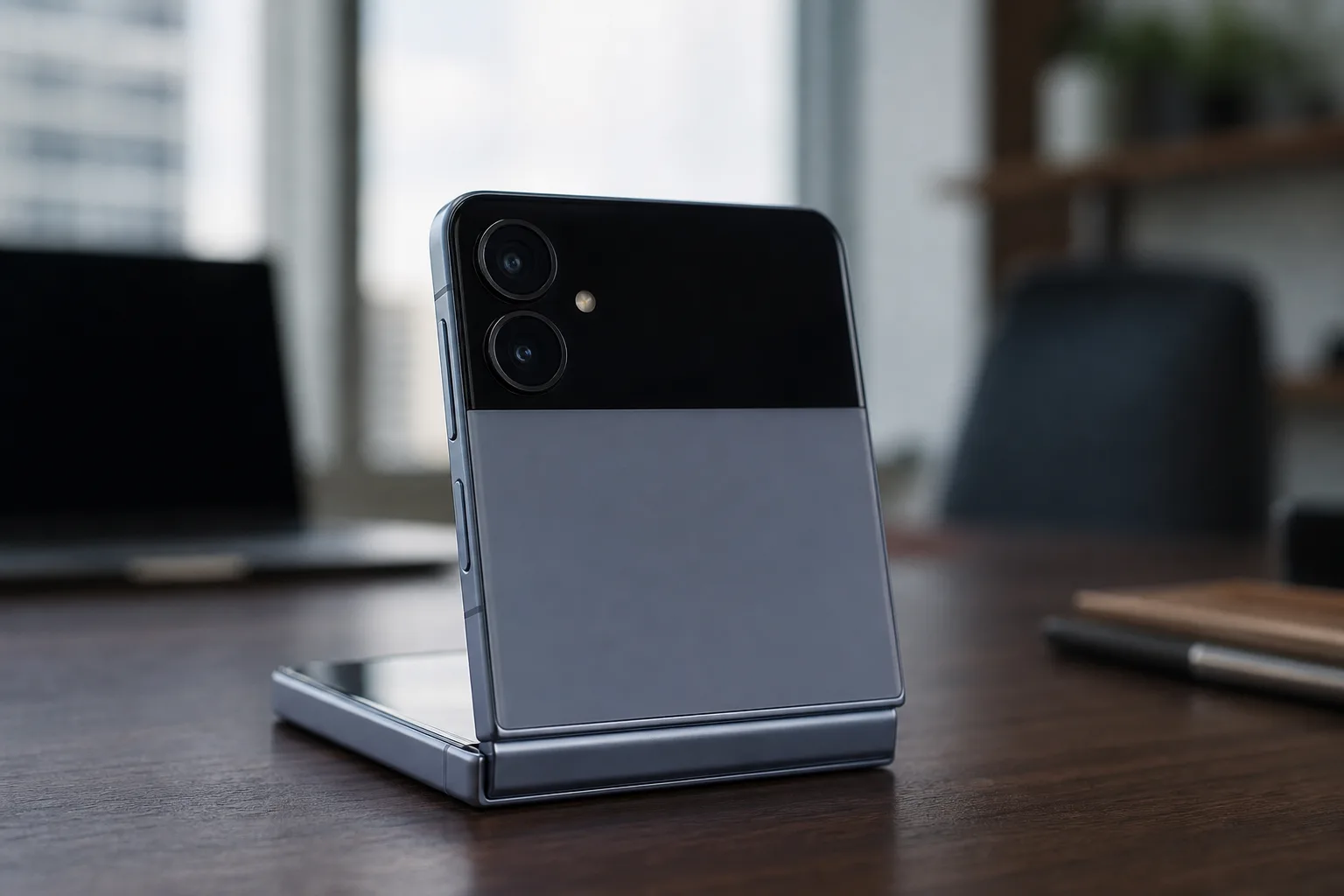
- Samsung storage upgrades could still give Galaxy Z Flip 8 and Fold 8 buyers 512GB for the 256GB price.
- The reported Samsung storage upgrades would charge buyers half the usual premium when moving from 512GB to 1TB.
- Samsung has not confirmed the promotion, and launch offers can differ substantially between South Korea, the US, Europe, and India.
- The split offer suggests Samsung wants to protect margins on costly 1TB foldables while retaining a familiar preorder incentive.
Table of Contents
Samsung storage upgrades may not be gone after all
For years, buying a Samsung flagship during its launch window has come with a familiar little reward: pay for the lower storage tier and receive the next one up. It is the kind of preorder perk that sounds mundane until you are staring at a $2,000 foldable and trying to decide whether 256GB will survive three years of photos, 4K video, downloaded flights, and increasingly chunky apps. Now, Samsung storage upgrades may remain part of the company’s next foldable launch after reports briefly suggested the giveaway was ending.
A report from South Korean outlet News1 says Samsung is expected to offer Galaxy Z Flip 8, Galaxy Z Fold 8, and Galaxy Z Fold 8 Ultra buyers a no-cost jump from 256GB to 512GB. Buyers aiming for 1TB would reportedly get a different deal: they would pay 50% of the normal upgrade price from 512GB.
That is a meaningful distinction. Earlier reporting had indicated that Samsung would replace its usual free-storage promotion with a flat 50% discount on upgrades. If News1’s account proves accurate, Samsung is keeping the familiar giveaway for the mainstream buyer and tightening the deal only at the pricey end of the storage ladder.
The catch is important: this is still pre-launch reporting from Korea, not a Samsung announcement. Promotions are often regional. The eventual US, UK, European, Indian, and Korean bundles could look rather different.
Why Samsung storage upgrades matter on a $2,000 phone
The storage math gets less abstract on a foldable. Samsung’s Galaxy Z Fold 7 launched at $1,999.99 for 256GB, $2,199.99 for 512GB, and $2,499.99 for 1TB. In other words, Samsung charged $200 for the first storage step and $300 for the second. A free 256GB-to-512GB bump is therefore a real $200 value at list price, even if nobody should pretend that NAND flash itself costs Samsung anything close to that amount.
The bigger question is what people actually need. For plenty of Flip buyers, 256GB remains perfectly workable, especially if they use cloud photo backups and stream most media. Fold buyers are a different audience. A Fold is pitched as a phone that can pull laptop-adjacent duty: split-screen work, large offline files, lots of camera use, maybe a few enormous games. That makes 512GB the comfortable tier rather than the indulgent one.
Samsung knows this. The company’s preorder Galaxy Z Fold lineup has repeatedly used higher storage as a way to make the eye-watering headline price feel slightly less hostile. The value of Samsung storage upgrades is retail psychology, sure, but effective retail psychology. A customer who can tell themselves they are getting $200 of storage free is less likely to fixate on the fact that they are about to spend two grand on a phone that folds in half.
The reported version of Samsung storage upgrades keeps that calculation intact for most buyers. It also avoids granting the same generosity to the small slice of customers seeking 1TB, where the retail jump is larger and Samsung’s component costs are presumably less forgiving.
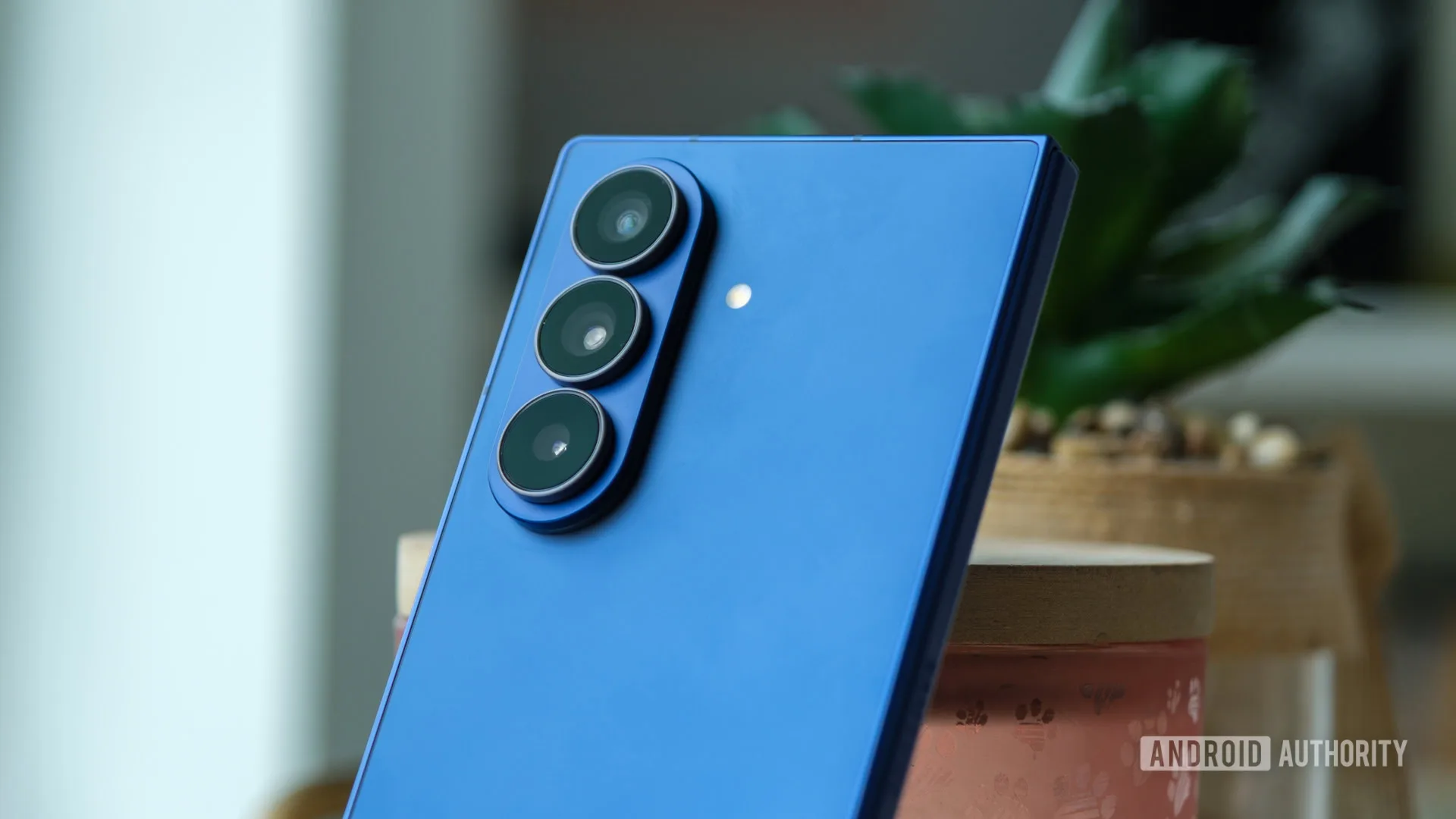
The 1TB compromise looks like a margin decision
My read is that Samsung has found a fairly sensible middle ground, assuming the report is right. The company can preserve its familiar launch message while limiting the discount on the highest-capacity model. Calling a 512GB-to-1TB move half price may not sound as friendly as a free upgrade, but it could still cut a $300 list-price jump to roughly $150 based on the Fold 7’s pricing structure.
That arrangement also acknowledges a basic reality of premium phones: storage tiers are not priced solely around parts. They are a tool for managing average selling prices. Apple has long understood this, offering higher capacities at steep markups across iPhone, iPad, and Mac lines. Google and Samsung do it too. The storage is useful, but it is also the airline seat-selection screen of consumer electronics: a relatively small choice that can quietly add a lot to the final bill.
Samsung’s foldables face a tougher job than conventional flagships. They need to persuade customers that a bendable screen remains worth a large premium while rivals such as Google, Honor, Oppo, and Xiaomi keep narrowing the hardware gap in markets where they compete. A reliable preorder perk gives Samsung one less objection to overcome.
What buyers should and should not assume
Anyone planning to buy a Galaxy Z Fold 8 or Flip 8 should not treat the reported offer as settled fact. Samsung storage upgrades have varied by country, carrier, retailer, and even color configuration in the past. A US buyer may see trade-in credits, store credit, accessory bundles, or carrier bill credits layered on top of a storage offer. Someone in another market could get a completely different deal.
There is no guarantee that every model gets identical treatment, either. News1’s report includes the rumored Fold 8 Ultra, but Samsung has not publicly confirmed that name or the device itself. Until Samsung sets a launch date and opens reservations, the smart move is to keep expectations flexible.
If you are already sold on a foldable, though, waiting for the launch window is usually the rational call. Samsung’s strongest value proposition tends to appear in the first couple of weeks, when trade-in values and Samsung storage upgrades are at their most aggressive. Buying at full price a month later can feel like arriving at the airport just after the upgrade list has cleared.
A familiar perk, but with a sharper edge
There is a broader signal in this rumored change. The free 256GB-to-512GB move has become an expected Samsung ritual, not a special surprise. Removing it outright would risk making the next Fold and Flip feel more expensive even if their sticker prices stayed flat. Keeping it lets Samsung maintain continuity. Restricting the 1TB deal lets it claw back some margin without creating the kind of backlash that follows an obvious price increase.
Frankly, 512GB is the tier Samsung should be pushing anyway. It is the capacity that makes a premium foldable feel comfortably long-lived, and it gives buyers room to use the cameras and large display without constantly curating their storage. For that audience, Samsung storage upgrades are more useful than a marginal discount on the 1TB model. The alleged 1TB discount is a bonus for power users, not the heart of the offer.
We will see whether Samsung confirms this exact formula when the next foldables arrive. But if Samsung storage upgrades survive in this form, the company will have kept one of its best launch incentives while making the top-end model pay its own way. That is not generosity. It is disciplined pricing, and on modern flagship phones, that may be the closest thing we get.

