- Switching from OnePlus is becoming a practical move for US and European buyers after reports that the brand has ended future launches there.
- For people switching from OnePlus, Samsung offers the strongest all-around mix of mature software, dependable cameras and long-term device support.
- One UI’s Good Lock tools give Android enthusiasts more control than the increasingly plain software experience OnePlus left behind.
- Samsung still has weak spots, especially charging speeds and sustained gaming thermals, but its broader device ecosystem changes the equation.
Table of Contents
Switching from OnePlus has become a real question
For years, buying a OnePlus phone felt like finding the good coffee shop before it became a chain. You got serious performance, unusually quick charging and hardware that often embarrassed more expensive flagships. But switching from OnePlus now looks less like a personal preference and more like a necessary contingency for buyers in the US and Europe.
Reports this year have painted an increasingly bleak picture for OnePlus in those markets, culminating in the company reportedly confirming that it will not introduce new products there. That is a painful turn for a brand that built its reputation by making Samsung, Google and Apple look slow, overpriced or both. The original OnePlus, and later phones such as the OnePlus 7T Pro, had a point of view. They were enthusiast devices that happened to be accessible.
That identity has been harder to find lately. OnePlus hardware has remained capable, but its software direction has drifted toward Oppo’s ColorOS, its product lineup has become less distinct, and its international strategy has felt uncertain. None of that makes existing OnePlus phones suddenly bad. It does mean that anyone buying a phone for the next four or five years has to ask an unglamorous question: who will still be showing up with updates, accessories and carrier support?
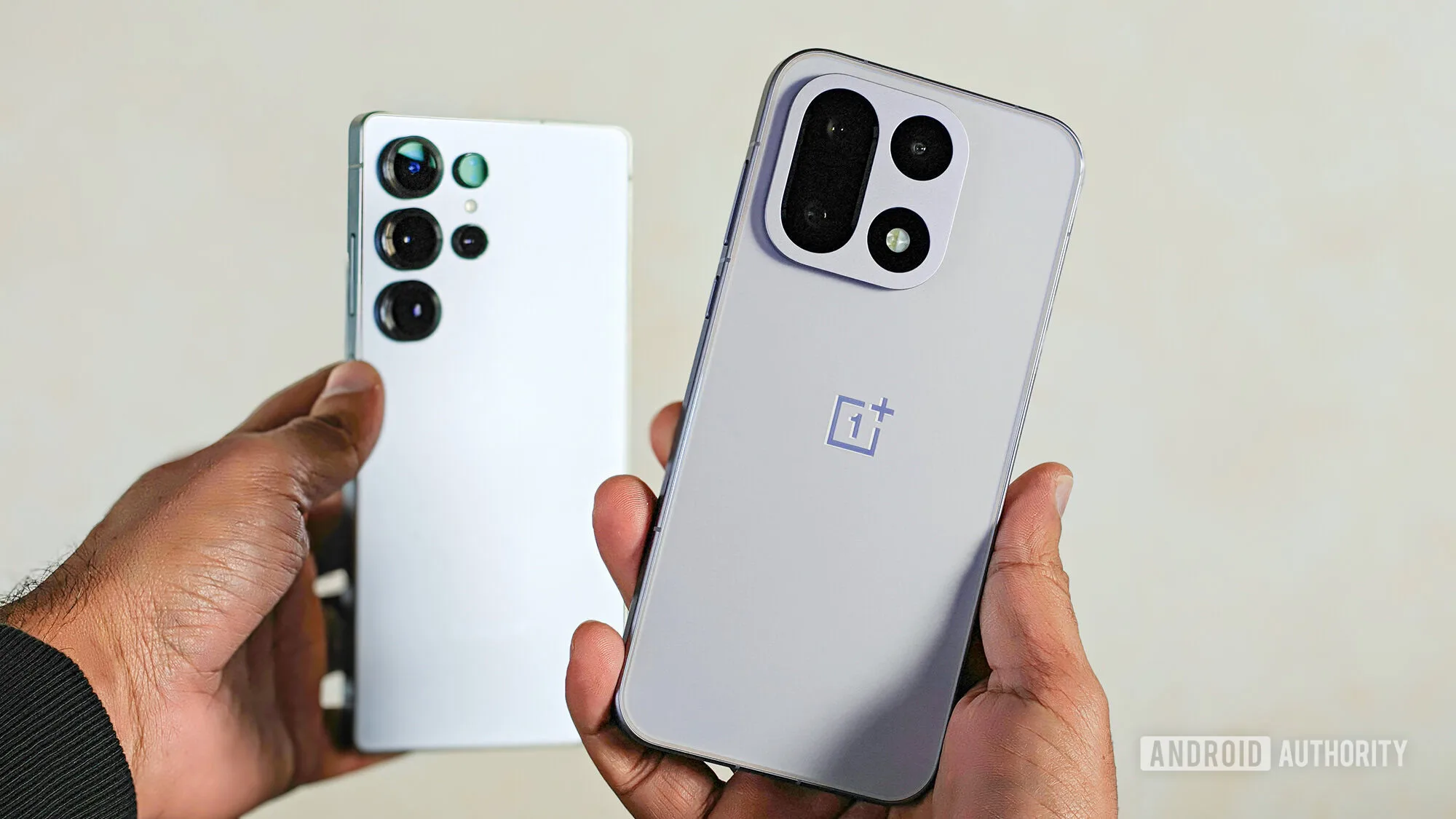
My read is that switching from OnePlus will push many loyalists toward Samsung, even if that answer would have sounded faintly ridiculous a decade ago. Samsung was once the Android giant enthusiasts complained about: too much software, too many duplicate apps and too little polish. OnePlus, meanwhile, was the plucky antidote. The roles have not fully reversed, but they have changed dramatically.
Samsung has learned the lessons OnePlus once taught it
Samsung’s biggest advantage is not a single Galaxy spec. It is consistency. A current Galaxy S Ultra is expensive, yes, but it is also a known quantity: strong cameras, broad carrier availability, a dense repair and accessory market, and an update policy that is among the best on Android.
That matters more than phone fans sometimes want to admit. Fast charging is nice; receiving a security patch years after launch is boring. Boring wins when the device contains your bank, travel documents, family photos and two-factor codes.
For someone switching from OnePlus, One UI may be the most decisive change. OxygenOS used to be lean, brisk and refreshingly free of fuss. Over time, its personality thinned out. Samsung went the other direction. One UI has plenty going on, and some of it can still feel like walking into a kitchen with too many drawers. But the important difference is that much of the clutter can be managed.
Good Lock, Samsung’s suite of customization modules, is the sort of thing Android people notice immediately. It lets users adjust the task switcher, lock screen, navigation behavior, notification panel and more. You do not have to use it. That is precisely why it works. The phone is sensible out of the box, then unusually pliable if you care enough to tinker on a Sunday afternoon.
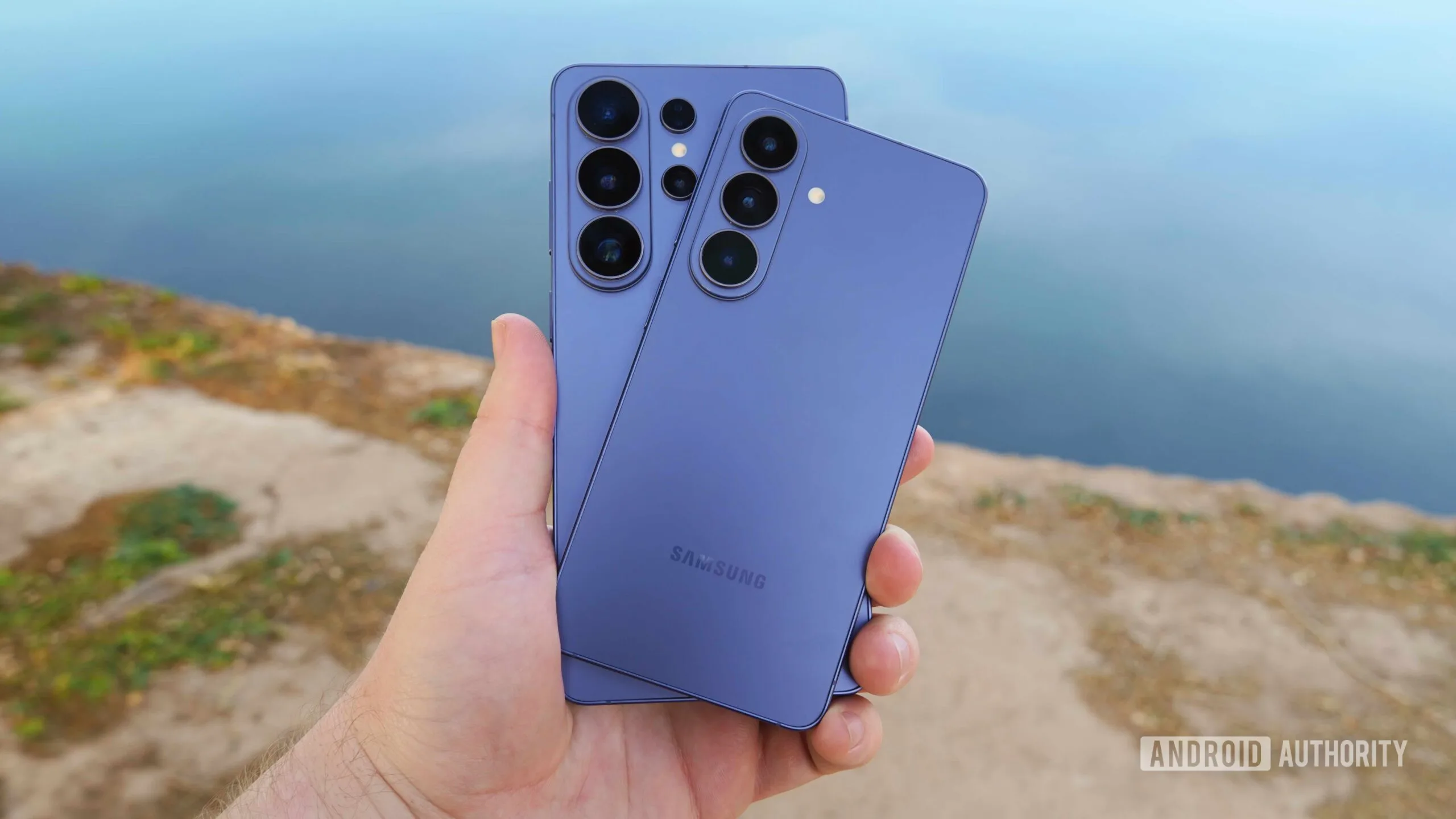
Samsung’s AI features are best judged as small conveniences, not headline reasons to buy a phone. Circle to Search is genuinely handy when you are trying to identify a product, landmark or strange bit of furniture in a photo. Object Eraser can rescue a picture that has been photobombed by a stranger with unfortunate timing. Frankly, that is the healthiest way to think about phone AI right now.
The Galaxy camera argument is stronger than the spec-sheet argument
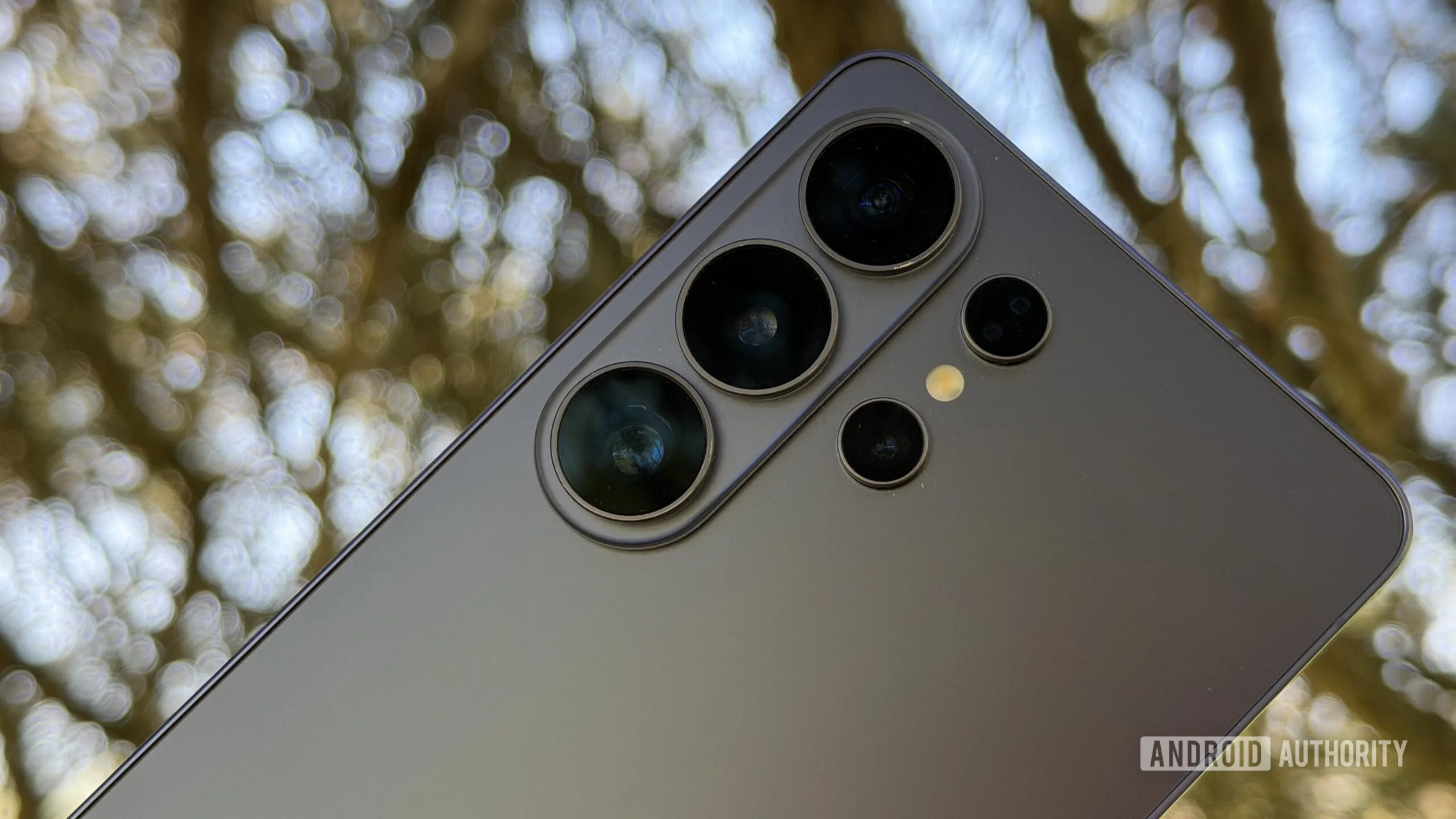
Camera quality is another reason switching from OnePlus points toward Samsung. OnePlus has made major strides, especially through its Hasselblad partnership, but Samsung’s Ultra phones are built around consistency across a wide range of shots. The 200-megapixel main sensor is useful less because anyone needs 200-megapixel files and more because Samsung has a lot of image data to work with when it crops and processes a scene.
The results can occasionally be too eager. Samsung’s processing has a habit of brightening, sharpening and smoothing with the confidence of a hotel lobby renovation. Still, the company tends to deliver images people want to share without editing: bright subjects, punchy skies, readable indoor scenes and flexible zoom. For buyers switching from OnePlus, that reliability is worth more than winning a laboratory shootout.
Samsung’s phones can run warm under prolonged gaming or camera use, and the company remains oddly conservative on charging. Other Android brands offer faster charging, while Samsung has lagged behind on charging speeds. That is not catastrophic, but after living with OnePlus charging, it can feel like returning to a kettle that takes forever to boil.
Still, most people do not benchmark their phone for an hour every afternoon. They open maps, take photos, scroll, answer messages, jump between apps and charge overnight. On that everyday test, Samsung is extremely hard to fault.
Switching from OnePlus means choosing an ecosystem, too
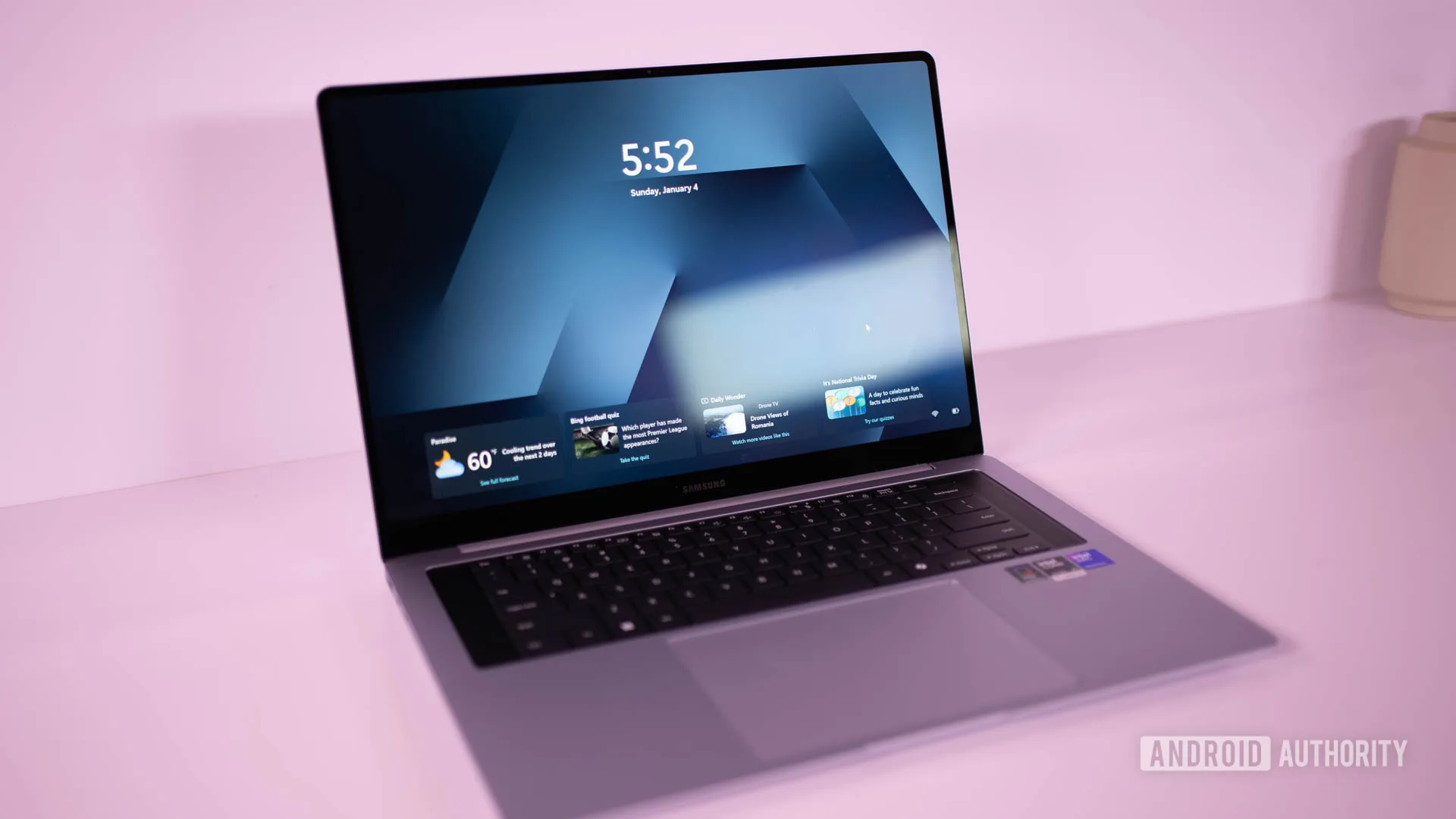
The more consequential part of switching from OnePlus may have nothing to do with the handset itself. Smartphones are now the hub for watches, earbuds, tablets and laptops. Samsung has spent years making those connections less flashy but more useful: Galaxy Buds can move between supported devices, Galaxy Watches integrate deeply with Galaxy phones, and Galaxy Books add features such as phone notifications, file sharing and connected displays.
Apple still does this better as a closed system, and Google has made real progress with Pixel phones, Pixel Watch and Pixel Buds. But Samsung is the Android manufacturer with the broadest credible answer. It sells phones at every price, tablets that compete seriously with iPads, watches, earbuds, laptops, monitors and televisions. That scale can be annoying when it produces duplicate apps. It is valuable when you want your gear to stop behaving like a collection of unrelated appliances.
Samsung also has a willingness to experiment that OnePlus fans should recognize. The company has committed to foldables long after rivals treated them as trade-show curiosities, and it is pushing the category toward larger, more ambitious designs such as its Galaxy Z TriFold efforts. Not every experiment will matter. Remember when Google killed Stadia? Big companies are perfectly capable of mistaking a demo for a product. But Samsung is at least still trying to make the phone category interesting.
The best replacement is not a perfect replacement
No Galaxy phone will perfectly replace the feeling of a great old OnePlus. Samsung’s flagships cost more, charge slower and carry a heavier software footprint. Anyone switching from OnePlus should not pretend those trade-offs vanish after a week with Good Lock.
The practical case, though, is hard to dismiss. For anyone switching from OnePlus, Samsung has the software support, camera confidence, hardware range and connected-device strategy that a departing OnePlus customer needs. Google Pixel is a compelling alternative for clean software and computational photography; Nothing offers a more playful take on Android; Motorola remains worth a look at lower prices. Yet Samsung is the safest bet without being a boring one.
If OnePlus truly steps away from future US and European launches, its absence will leave a gap in Android’s enthusiast culture, not merely on store shelves. Samsung will likely collect a large share of those displaced buyers. The real test is whether it remembers why they came: not because they wanted another giant, but because they still want a phone maker willing to earn their loyalty.