Table of Contents
Steve Jobs unveiled the MacBook Pro on January 10, 2006, during his Macworld San Francisco keynote. He presented it as a “One More Thing” surprise at the event’s close. This launch marked the 20th anniversary we observe today at Squaredtech. The MacBook Pro replaced the PowerBook as Apple’s top professional laptop. Apple made this change because the company switched from PowerPC chips to Intel Core processors. Engineers needed a fresh name to signal this hardware leap.
The first MacBook Pro came only in a 15-inch size. Apple released a 17-inch version months later. A 13-inch aluminum MacBook appeared in October 2008. Apple merged that model into the MacBook Pro lineup after one generation in 2009. Customers praised the initial designs for their power and portability. Developers built software that exploited the new Intel chips. Businesses adopted the MacBook Pro for tasks like video editing and graphic design.
Buyers chose from two starting configurations for the original 15.4-inch MacBook Pro. That screen offered 1,440 by 900 pixel resolution in widescreen format. The base model cost $1,999. It included a 1.67GHz Core Duo processor, 512MB of 667MHz DDR2 RAM, and an 80GB hard drive. The premium version sold for $2,499. It packed a 1.83GHz Core Duo processor, 1GB of RAM, and a 100GB hard drive. Users ran multiple apps smoothly on these setups. Professionals edited photos and compiled code without lag.
Apple shipped the MacBook Pro one month after announcement. The company upgraded processors before units reached customers. The base model now featured a 1.83GHz Core Duo chip. The high-end version used a 2.0GHz chip. Apple added a build-to-order 2.16GHz option for power users. These tweaks boosted speed right away. Reviewers noted faster boot times and better multitasking. Sales climbed as word spread.
MacBook Pro Evolution: Key Features That Defined Pro Laptops
The MacBook Pro marks 20 years of steady upgrades. Apple added a built-in webcam early on. Users joined video calls without external gear. The MagSafe power connector debuted, too. It detached safely if someone tripped over the cord. This feature prevented spills and damage. Aluminum unibody construction arrived later. Workers machined the entire chassis from one metal block. The design felt premium and resisted dents.
High-resolution Retina displays transformed the MacBook Pro experience. Pixels became invisible at normal viewing distance. Developers read tiny code fonts clearly. Apple refined screens over generations. Brightness increased, and colors stayed accurate. These changes set industry standards. Competitors chased similar quality.
Not all innovations succeeded. The Touch Bar replaced function keys in 2016 models. A thin OLED strip showed context-sensitive controls. Musicians adjusted volume with swipes. Video editors accessed shortcuts instantly. Users split on its value, though. Many missed physical keys for muscle memory tasks. Apple removed the Touch Bar in later designs.
The butterfly-mechanism keyboard caused bigger issues. Keys used a slim scissor switch for thinness. Dust trapped easily, and keys failed often. Customers reported stuck letters and missed presses. Apple launched a repair program that covered fixes for four years. Lawsuits followed from affected owners. Courts approved settlements worth millions. Apple switched to scissor-switch keyboards in response. Reliability returned, and complaints dropped.
These ups and downs teach lessons in hardware design. We analyzed how Apple balances bold risks with user feedback. The MacBook Pro stays relevant because Apple listens. Professionals demand durability alongside power. Early stumbles refined future products.
MacBook Pro’s M1 Shift: Performance Leaps and Apple Silicon Wins
Apple revolutionized the MacBook Pro in 2020. The company released the M1 chip in three products: the 13-inch MacBook Pro, MacBook Air, and Mac mini. This move ended reliance on Intel processors. Apple designed its own silicon from scratch. Engineers optimized every component for macOS.
The M1 united CPU, GPU, and other parts on one die. Power efficiency soared. Fans spun less, and battery life extended to 20 hours. Tasks like 4K video exports finished twice as fast. Developers compiled apps in half the time. Everyday users browsed and streamed without heat buildup.
Apple broke free from Intel’s release schedule. The company now controls upgrade timing. Hardware and software integrate tighter. macOS exploits M1 features like unified memory. Apps share data pools without copies. This setup cuts latency and boosts speed.
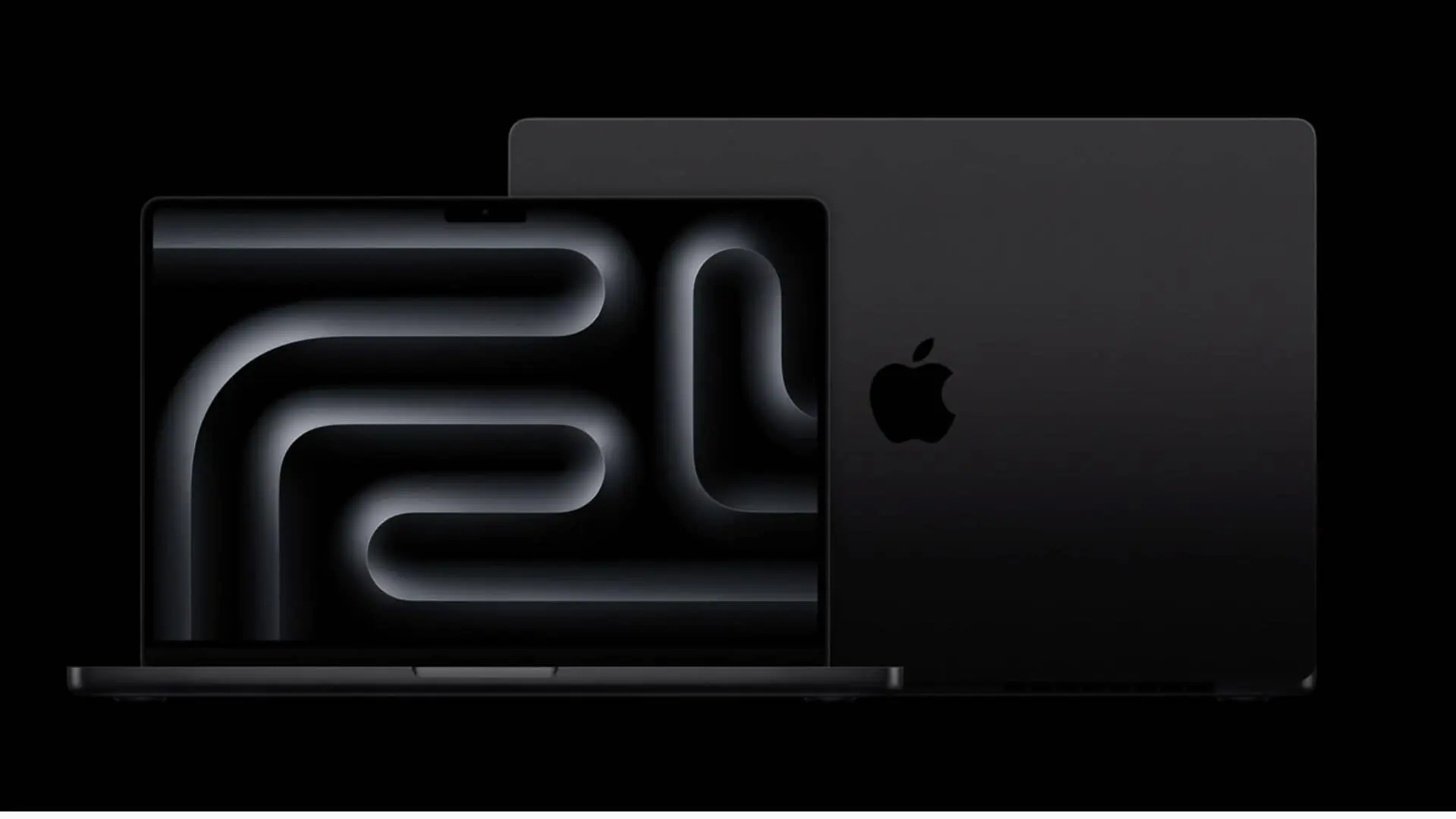
Follow-up chips built on M1 success. M2 added more cores for creators. M3 brought ray tracing for realistic graphics. M4 powers current top models. Each generation doubles efficiency. The MacBook Pro handles AI workloads now. Machine learning trains models locally.
We see this as a blueprint for tech firms. Custom chips let companies dictate innovation pace. Consumers gain longer support cycles too. Apple promises updates for eight years per device. Older MacBook Pro units stay secure and capable.
MacBook Pro Future: OLED Redesign and Portable Power Awaits
Rumors point to the next MacBook Pro overhaul. Higher-end models gain OLED displays by late 2026 or early 2027. These screens deliver perfect blacks and high contrast. HDR content pops with vivid colors. Battery life improves from efficient pixels.
Touchscreen support arrives too. Users tap and swipe like on iPads. Designers sketch directly on screens. Productivity apps gain stylus input. A Dynamic Island cutout appears in the display. It hides sensors and shows alerts, like on iPhones. Notifications pulse without blocking views.
Designs slim down further. Thickness drops below current levels. Weight lightens for travel ease. Portability matches ultrabooks while power rivals desktops. M6 chips or later drive these machines. Performance scales for pro apps.
Squaredtech predicts big impacts. OLED elevates creative work. Touch opens new workflows. Thinner builds attract mobile pros. Apple leads laptop trends again. Competitors rush OLED panels and custom silicon.
The MacBook Pro’s 20-year run reshapes computing. From Intel origins to silicon dominance, it sets benchmarks. Future updates promise more. Professionals rely on its blend of power and polish.
Stay Updated: Gadgets