

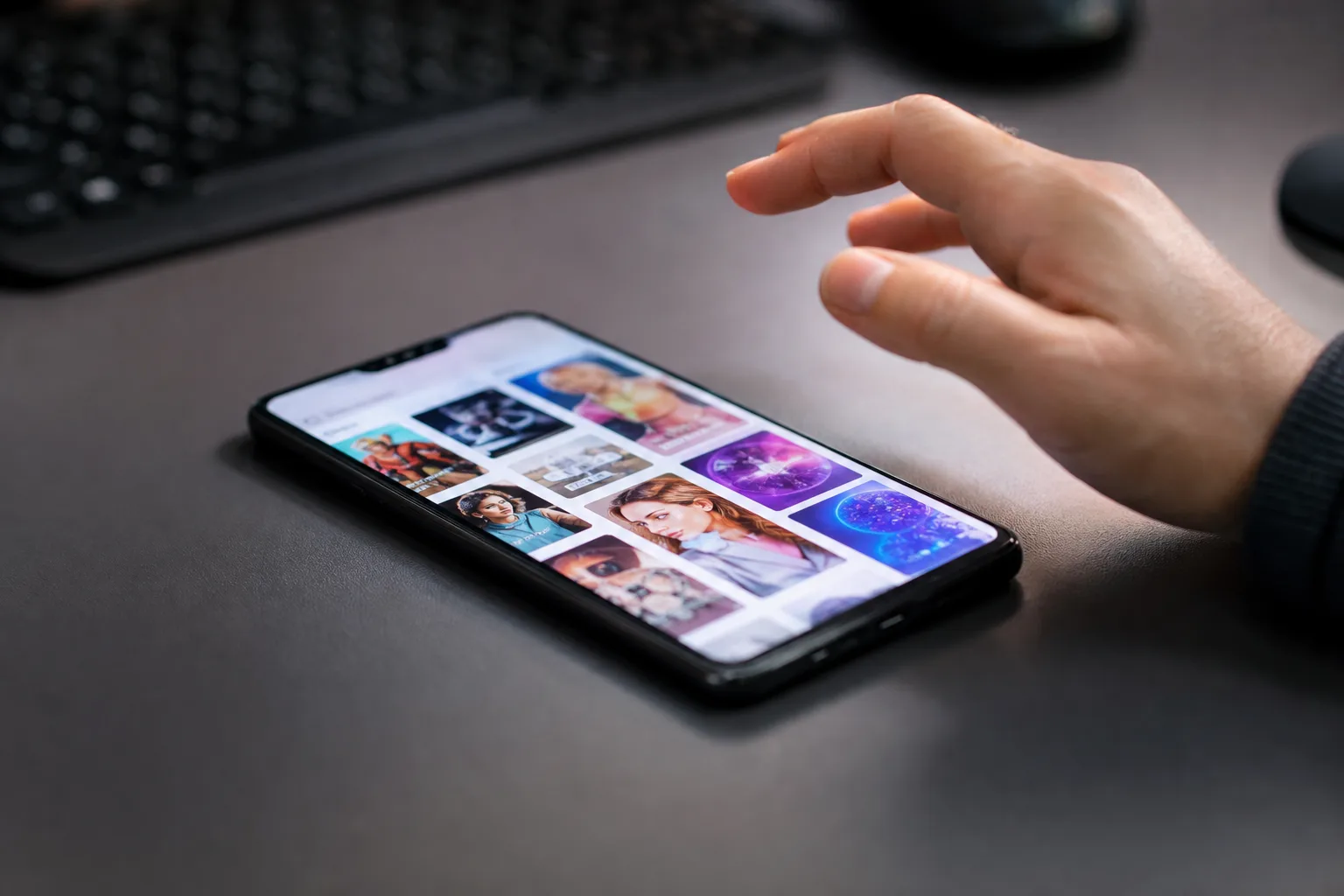
- San Francisco City Attorney David Chiu demanded Apple and Google remove 13 nudify apps from their app marketplaces.
- The nudify apps allegedly create nonconsensual sexual deepfakes from ordinary photographs, including images of women and girls.
- Google says it removed hundreds of violating apps, while Apple did not comment before Wired published its report.
- The dispute puts app-store fees, automated moderation, and platform responsibility for AI abuse squarely in the spotlight.
Table of Contents
Nudify apps have become an app-store accountability test
Nudify apps are one of those grim corners of generative AI that the technology industry has spent far too long treating as somebody else’s problem. San Francisco City Attorney David Chiu has now put Apple and Google directly in the frame, sending cease-and-desist letters demanding the companies remove 13 apps accused of producing AI-generated nude images of real people without their consent.
The legal demand matters less for its raw app count than for the argument behind it. Chiu’s office says the two platform owners are effectively “aiding and abetting” the distribution of nonconsensual intimate imagery when they host these products, process purchases through them, and allow them to remain searchable. That is a much sharper accusation than the usual complaint that a few bad apps slipped through a review queue.
My read is that Apple and Google can no longer plausibly present this as a moderation edge case. The basic pitch of these services is not hard to decode: upload or find an image, use AI to fabricate nudity, and share the result. Calling that a creative photo tool is like calling a lockpick a home-improvement accessory. The intended harm is baked into the product.
Chiu has already sued 16 websites that allegedly offered similar deepfake services. His move toward mobile storefronts reflects an obvious reality: nudify apps are easier to find, easier to pay for, and carry the implied trust of Apple’s App Store or Google Play. For a victim, that difference is hardly academic.
Why nudify apps keep getting through
Both companies have rules that should, on paper, catch this material. Apple’s App Review Guidelines prohibit overtly sexual or pornographic material, while Google Play bars sexually explicit content and content that exploits people sexually. Yet policy language is only useful if the storefront can identify an app’s actual purpose before it reaches users.
Here, nudify apps appear to have exposed a familiar weakness. Developers can market an app as an AI photo editor, face-swapping utility, beauty filter, or image generator, then bury its more troubling functions behind vague labels, in-app prompts, subscriptions, or remote server-side features. A reviewer looking at a polished onboarding screen may see one product; users searching for terms such as “undress” can find another.
The Tech Transparency Project reported earlier this year that apps with these capabilities were not merely reaching Apple and Google’s stores but were sometimes promoted there. Some were reportedly rated suitable for everyone. If that assessment is accurate, the failure is more than an embarrassing moderation miss. It means a child could potentially download software designed to turn another person’s photograph into sexualized abuse.
Google told Wired that it had removed “hundreds” of apps with nudification features, including five identified by Chiu’s office, and said it takes “swift action” when it finds a violation. That response is welcome as far as it goes. But it also invites the obvious question: if hundreds needed removal, what exactly was the approval system doing before outside pressure arrived?
Apple did not provide Wired a comment before publication. Its silence is notable because Apple has long sold the App Store as a curated alternative to the wider, messier internet. That pitch comes with a price: when harmful software gets a distribution channel and payment rails inside a tightly controlled store, Apple owns more responsibility than a company operating an open web index.
The money question Apple and Google cannot dodge
Chiu told Wired that Apple and Google may have made millions from in-app payments tied to the offending products. Neither company has publicly confirmed that figure, and the actual revenue is unclear. Still, the point lands. App stores do not simply host software as a public service; they take a share of many digital transactions. That makes the platform relationship commercial, not passive.
For years, tech companies have preferred a whack-a-mole approach to abusive content: accept reports, remove the worst examples, update a policy page, repeat. That may be adequate for a random spam app. It is plainly inadequate for nudify apps, where the consumer-facing feature is often the abusive act itself. There is no safe version of a product built to generate fake sexual images of an unwilling classmate, colleague, ex-partner, or stranger.
Apple and Google should be auditing obvious search terms, testing app functions after approval, scrutinizing subscriptions tied to sexualized image manipulation, and permanently banning developers who repackage the same service under a new name. Yes, that requires more human review and more money. So does running the world’s two dominant mobile software markets.
Deepfake harm has moved beyond celebrity scandals
AI deepfake coverage tends to begin with celebrities and politicians because their cases attract headlines. But the far larger danger is ordinary people. A fabricated nude image can be used for school bullying, harassment, blackmail, workplace intimidation, or simple humiliation. The victim may never know where it was made, who saw it, or whether it has been copied elsewhere.
The distinction matters because public figures and everyone else do not face the same protections. Meta’s Oversight Board recently urged the company to improve protections for people targeted by sexualized deepfakes, arguing that existing safeguards have favored public figures. Meanwhile, Elon Musk’s xAI has faced lawsuits connected to allegations of nonconsensual deepfake imagery. The pattern across the industry is painfully consistent: distribution systems race ahead, while meaningful protections arrive after the damage.
Nudify apps are not an inevitable side effect of AI progress. They are a product-design and platform-governance choice, one that can be detected, blocked, and punished when companies decide the cost of inaction exceeds the cost of moderation. Chiu’s letters will not erase the problem from the web, but they test whether the app-store gatekeepers are ready to stop acting surprised every time abuse comes packaged as a download.
Frankly, Apple and Google should not need a city attorney to tell them that nudify apps promising to digitally strip real people are incompatible with their own rules. The real test now is whether they remove a few named listings or make this category genuinely difficult to build, monetize, and resurrect.

