Table of Contents
As editors at Squaredtech, we track fintech and tech disruptions closely. Setapp Mobile’s closure reveals key lessons in app store economics. This article analyzes the shutdown’s causes, impacts, and broader implications for iOS competition in the EU.
Background on Setapp Mobile and EU’s Digital Markets Act
MacPaw launched Setapp Mobile as one of the first third-party iOS app stores in the EU. The service debuted in 2024 after Apple complied with the Digital Markets Act (DMA). EU regulators enacted the DMA to curb Big Tech dominance. They targeted gatekeepers like Apple, Google, and Meta. The law requires these firms to allow sideloading and alternative app stores on iOS devices in Europe.
Apple resisted the changes at first. The company faced fines up to 10% of global revenue for noncompliance. In March 2024, Apple announced iOS updates that permitted third-party stores. Developers could distribute apps outside the App Store, but only in the EU. Users needed to approve installations via on-device prompts. Apple also imposed a Core Technology Fee of 50 cents per install after the first million annually.
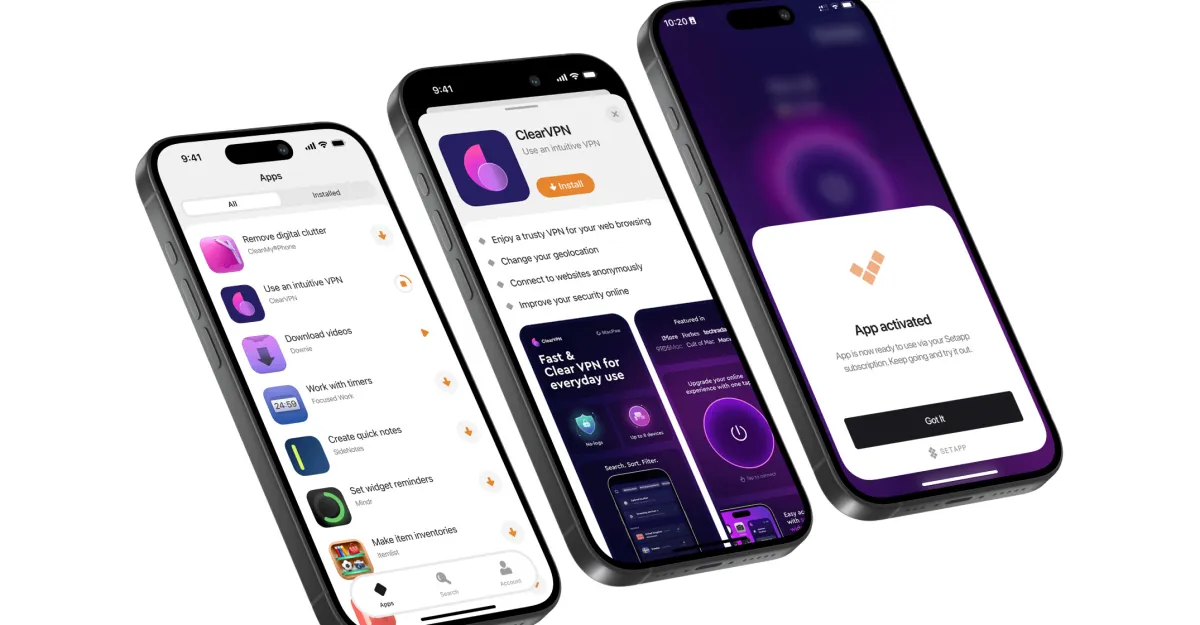
Setapp Mobile promised subscribers access to over 250 premium apps for a flat fee. MacPaw built the service on its successful Mac subscription model. Users paid about 9.99 euros monthly for apps like PDF editors, productivity tools, and utilities. The store targeted iPhone and iPad users tired of individual app purchases. MacPaw marketed it as a Netflix-style bundle for software.
Regulators hailed Setapp Mobile as a DMA success story. Tech media covered its launch with optimism. The service gained early users in countries like Germany, France, and Italy. It integrated seamless updates and family sharing options. However, adoption stayed low compared to Apple’s 2 billion active devices worldwide.
Our team observes that such launches test regulatory intent against market realities. The DMA opened technical doors. It did not guarantee user shifts from familiar habits.
Reasons Behind Setapp Mobile’s Shutdown on February 16
MacPaw announced the closure on its support page. The service ends February 16, 2026. Users lose access to all apps after that date. MacPaw urges downloads of purchase data now. The company cites business terms that clash with its model. Specifics remain vague, but app distribution economics play a central role.
Apple retains control over iOS core functions. Third-party stores face strict rules on billing and security. Developers must use Apple’s notarization process. This step scans apps for malware. Apple also mandates link-outs to external payments with fees up to 27%. Setapp’s flat-rate model loses appeal here. Developers prefer direct sales or in-app subs for higher margins.
User inertia compounds the issue. iPhone owners stick to the App Store. Apple conditioned billions on its ecosystem over 17 years. Features like Face ID integration and automatic updates tie users in. Alternative stores require extra steps: enabling unknown sources and trusting new providers. Most users skip these for convenience.
Market fragmentation hurts Setapp Mobile further. Premium apps now favor subscriptions inside apps. Tools like Evernote or Adobe Lightroom charge monthly via App Store. Developers resist bundles that cap revenue. Setapp needed exclusive hits to draw crowds. Few joined due to uncertain payouts.
Industry analysts point to Apple’s leverage. The company promotes its store on home screens. Siri defaults to App Store searches. Third-party apps face sandboxing limits. Setapp Mobile struggled with critical mass. Without enough subscribers, it could not attract top developers. MacPaw pulled the plug after 18 months.
We analyzed this as a classic network effects failure. Platforms thrive on users and developers reinforcing each other. Regulators overlook this dynamic. DMA compliance creates slots for rivals. It does not build user demand or developer incentives.
Data backs the struggles. Setapp Mobile reported under 100,000 subscribers at peak. Apple’s App Store processes 30 billion downloads yearly. Revenue exceeds 85 billion dollars annually. Third-party efforts capture fractions of that.
Challenges for Alternative App Stores Post-Setapp Mobile Shutdown
Setapp Mobile’s end signals hurdles for iOS alternatives. AltStore PAL persists in the EU. It focuses on emulators like Delta and utilities like Clip. Developer Riley Testut runs it as a free PAL-licensed service. Users sideload via web links. AltStore garners praise for openness but stays niche.
Epic Games Store operates too. Epic launched it after DMA compliance. The store distributes Fortnite and Epic titles. It avoids Apple’s fees on direct payments. However, Epic limits scope to its games. Broader app support lags.
Both face similar barriers. Apple controls iOS updates and hardware APIs. Third-party stores compete on price or exclusives. Users weigh risks like security warnings. Developers chase App Store’s 1 billion credit card profiles.
EU regulators monitor these developments. The European Commission reviews DMA compliance quarterly. They fined Apple 1.8 billion euros earlier for music streaming favoritism. More probes target app store terms.
We see structural dominance at play. Apple holds 70% EU smartphone share. Users value ecosystem lock-in: iMessage, AirDrop, and Wallet integration. Alternatives must match this seamlessness.
Future prospects dim without changes. Developers build for App Store first. Users discover apps via App Store searches. Third-party stores need marketing muscle Epic affords. Smaller players like Setapp falter.
Broader lessons apply to tech regulation. The DMA boosts choice technically. Adoption demands behavioral shifts. Users prioritize ease over ideology. Policymakers must address economic moats.
Implications of Setapp Mobile Shutdown for DMA and iOS Competition
Setapp Mobile’s failure tests EU strategy. Regulators aimed to foster competition. They forced gatekeeper openness. Results show permission without demand equals limited impact.
Apple adapts without yielding ground. The company reports DMA costs at 1 billion dollars yearly. It passes fees to developers. iOS 18 adds safeguards like app warnings. Market share holds steady at 25% globally.
Other gatekeepers face scrutiny. Google opened Android sideloading. Microsoft launched its app store. None disrupt incumbents yet.
Squaredtech predicts incremental evolution. Users experiment slowly. Developers hedge bets. True competition may emerge in niches like gaming. For consumers, options exist but convenience rules. EU iPhone buyers access AltStore or Epic. Most ignore them. Regulators refine DMA phase two. They eye data portability and interoperability. Success hinges on user-centric rules.
This shutdown prompts reflection. Force works on compliance. Markets reward value.
Stay Updated: TechNews