Table of Contents
At Squaredtech, we analyze whether new consumer tech actually delivers results. One product raising serious questions is the 3D-scanned insole. Brands claim these custom inserts can fix chronic foot pain using high-resolution scans and personalized designs. Customers pay premium prices for relief, but the evidence tells a more complicated story. While some studies show modest improvements over generic insoles, belief and expectation often explain much of the benefit.
This product sits squarely in what many experts now call the wellness wild west. Health gadgets reach the market quickly, often without rigorous long-term testing. Feet have become the latest target. High-tech scans promise perfect alignment and comfort, but when we examine the data closely, the value is inconsistent.
The Rise of 3D-Scanned Insoles
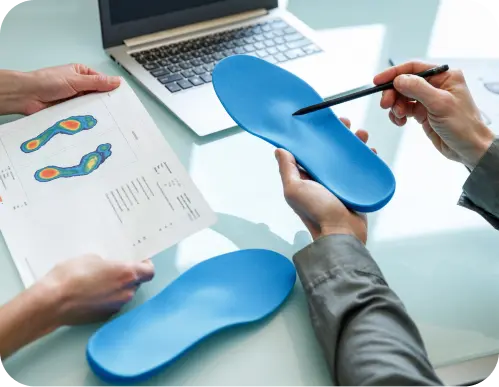
3D-scanned insoles follow a simple process. Users scan their feet using a store kiosk or mobile app. Software creates a digital model, and manufacturers produce an insole using foam, gel, or lattice designs. Prices typically range from $100 to $300 per pair. Marketing features athletes, office workers, and medical-style language meant to signal precision and authority.
Feet absorb heavy daily stress, often 5,000 to 10,000 steps per day. For many people, standard insoles costing around $20 already provide adequate support. A 2025 study found that 3D-printed insoles reduced pain for specific conditions such as flat feet and plantar fasciitis. However, results varied widely, and improvements often matched what users expected to feel.
This is where placebo tech comes in. Placebo effects occur when belief alone triggers real symptom relief. Brain imaging shows expectation can release endorphins that reduce pain. In the case of insoles, the scan itself creates confidence. That confidence can drive short-term comfort even when long-term outcomes match cheaper options.
Manufacturers often point to biomechanics. The human foot contains 26 bones and 33 joints, and scans can capture pressure points with impressive detail. Algorithms adjust thickness and support zones accordingly. But feet are also highly adaptable. Meta-analyses show custom orthotics reduce pain in many users, yet placebo-controlled comparisons make it difficult to isolate how much benefit comes from the technology itself.
User data reflects this uncertainty. Across forums and retailer reports, return rates approach 25 percent. The initial experience feels advanced, but the physical benefits do not always last.
Wellness Wild West Targets Your Shoes and Feet
The wellness sector still lacks strong regulatory standards. Products often launch without full clinical trials. Insoles are marketed with claims of posture correction, endurance improvement, and injury prevention, even when evidence is thin.
Studies show 3D-scanned insoles can improve load distribution across the foot, which may help some users. At the same time, Cochrane reviews consistently find that custom orthotics perform similarly to generic inserts for pain reduction. Visual pain scores sometimes improve more with 3D designs, but baseline differences and expectation bias play a major role.
The technology itself is impressive. Infrared scanners can map feet with sub-millimeter accuracy. Production takes only days. What is missing is long-term outcome data. Marketing often leans on expert endorsements and app integrations, while many podiatrists still recommend basic strength and mobility exercises before custom inserts.
Why Placebo Tech Persists and What Actually Works
High-tech products inspire trust. Scans, software, and personalization create the sense of medical legitimacy. That trust alone can reduce perceived pain by triggering dopamine and endorphin responses.
We see a pattern. 3D-scanned insoles offer customization, but many lower-cost alternatives deliver similar outcomes. Standard cushioning insoles work for most users. Structured inserts like Superfeet fit a wide range of feet effectively. Simple balance and strengthening exercises often improve foot health more reliably than any insert.
At Squaredtech, we urge evidence over excitement. Track pain levels, test affordable options first, and be cautious of products that rely more on presentation than proof. In the wellness wild west, technology should earn trust through results, not scans alone.
Stay Updated: Emerging Technologies